Mercedes GLA Production Shifts to Electric First
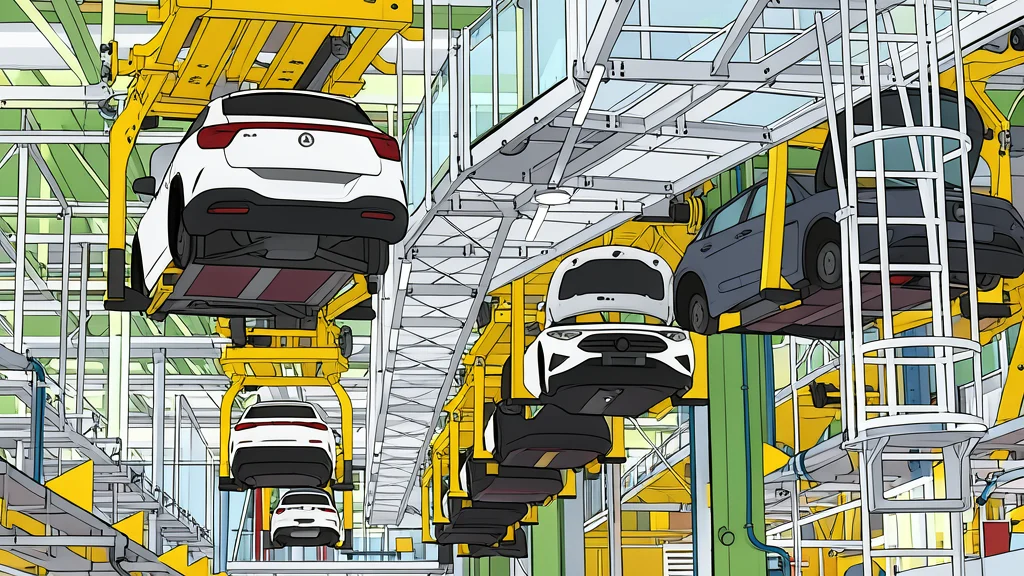
Mercedes-Benz has begun building the new GLA at its Rastatt plant, with the electric version leading the launch while hybrid models wait until late 2026.
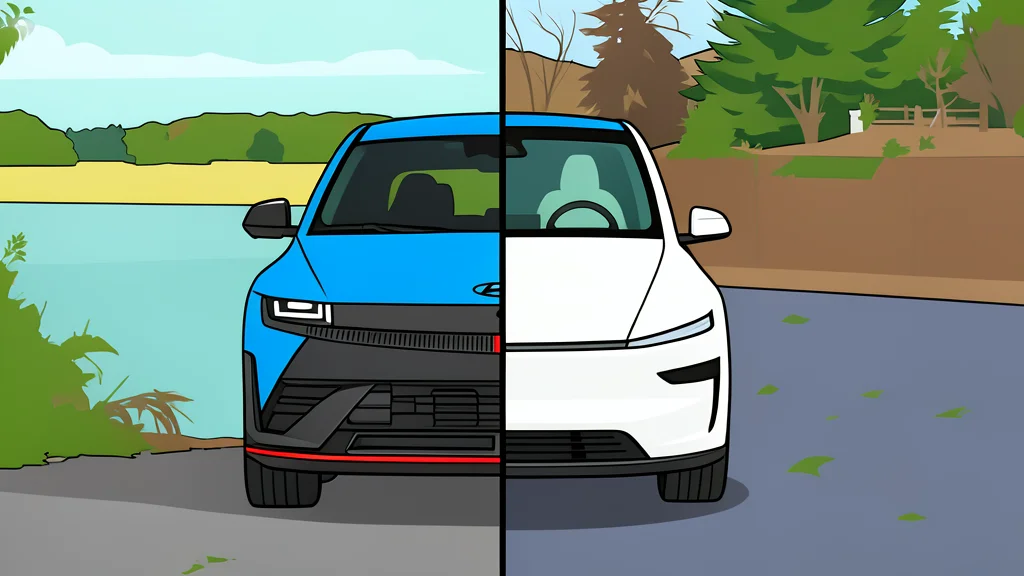
Mercedes-Benz has officially started series production of the new-generation GLA at its Rastatt plant in Germany. The move marks a significant step in the automaker's shift toward a flexible, software-driven lineup. Notably, the all-electric version is already rolling off the line, while hybrid and combustion models are scheduled to follow later in 2026.
This production order reflects a strategic bet on electrification. By prioritizing the battery-electric vehicle, the company is testing the limits of its flexible manufacturing capabilities. The hybrid variants, which utilize 48-volt technology and new internal-combustion engines, are slated for arrival in late 2026, allowing the factory to adjust output based on global demand for different powertrains.
Shared Lines Boost Manufacturing Flexibility
A key advantage of the Rastatt facility is its ability to build electric, hybrid, and conventional vehicles on the same infrastructure. This flexibility allows Mercedes-Benz to tweak production volumes quickly in response to market shifts. The new GLA is currently assembled in Hall 4.0, with plans to move operations to an upgraded Hall 4.1 in 2027.
To prepare for this transition, the company is using digital twins to simulate production processes. This virtual testing method helps reduce construction time and costs by identifying issues before physical changes are made. GN auto tech/ev: electric vehicle notes that this approach previously helped convert Hall 4.0 in record time, demonstrating the efficiency gains possible through digital planning.
Software Integration Changes Vehicle Assembly
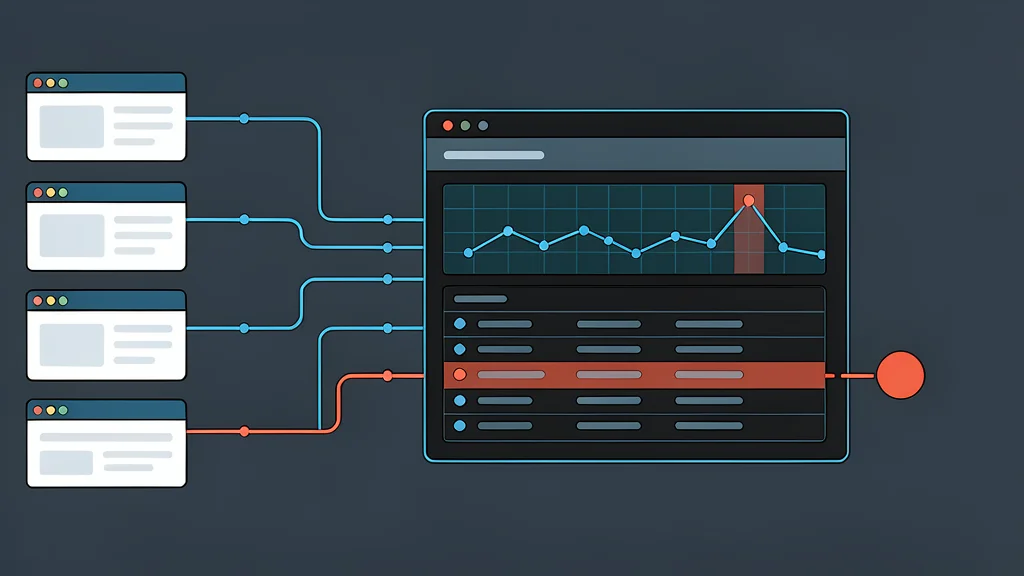
Software is now a central component of the manufacturing process. Mercedes-Benz is integrating its MB.OS operating system and AI tools into the production workflow. This system uses a chip-to-cloud architecture, meaning vehicle software is managed through a central cloud server rather than scattered across individual hardware modules.
This setup ensures that vehicles leave the factory with the most current software updates. It also gives the manufacturer greater control over vehicle functions after delivery. However, this reliance on cloud connectivity introduces a dependency on stable network infrastructure for both production updates and long-term vehicle maintenance.
German Supply Chain Supports Electric Drive
The electric GLA relies on a specialized network of German factories. Components like electric drive units and axles are produced at sites in Untertürkheim, Mettingen, and Hedelfingen. These facilities assemble the motor, power electronics, and transmission systems that transfer power to the wheels before shipping them to Rastatt.
High-voltage batteries for the new model come from Accumotive, a Mercedes-Benz subsidiary in Kamenz, Saxony. With over a decade of experience in battery production, Accumotive serves as a critical hub for the company’s electrification efforts. Nearby, the Kuppenheim site supplies body-in-white components, creating a tightly integrated regional supply chain for the new compact SUV.