Samsung's SmartThings Fee Impacts Home Assistant Users
Samsung is ending free API access, forcing Home Assistant users to pay or switch to local protocols like Zigbee.
Samsung has announced that its SmartThings API will no longer be free for individual developers starting in October. The new pricing structure introduces a monthly fee of $4.99 for personal use, a change that directly affects enthusiasts who use third-party platforms like Home Assistant to manage their devices. This shift means that controlling smart home devices through Samsung’s cloud infrastructure will now come with a recurring cost, ending a period of free access that lasted for years.
The impact extends beyond just the monthly charge. Many users who built custom automations or integrations relying on Samsung’s servers will find their setups disrupted. The company’s decision highlights a broader trend in the smart home industry, where manufacturers are increasingly monetizing the connectivity layer that was previously provided at no cost to developers and hobbyists.
Cloud Dependency Creates New Costs
To understand the stakes, it helps to look at how these devices actually communicate. In many smart home setups, commands do not travel directly from the user’s hub to the device. Instead, the instruction leaves the local network, travels to Samsung’s cloud servers, is processed there, and then sent back to the device. This round trip is what the new fee covers. As reported by XDA Developers, this architecture creates a dependency on an external service, turning a simple local action into a paid cloud transaction.
For users who previously relied on free API access, this change represents a significant financial and logistical hurdle. The fee is not for the SmartThings app itself, but for programmatic access that allows other software to talk to Samsung’s servers. This distinction matters because it separates the consumer experience from the developer and enthusiast experience, effectively drawing a paywall around the flexibility that made platforms like Home Assistant popular.
Token Validity Changes Accelerate Shift
The move to paid tiers is not an isolated event. It follows a series of changes that have already increased friction for developers. Samsung previously altered its token validity rules, reducing the lifespan of personal access tokens from up to 50 years to just 24 hours. This drastic reduction forced many users to rebuild their authentication processes or abandon their custom scripts. The October fee is the final step in a gradual process of tightening control over who can access and how they can use the SmartThings ecosystem.
Local Protocols Offer a Cost-Free Alternative
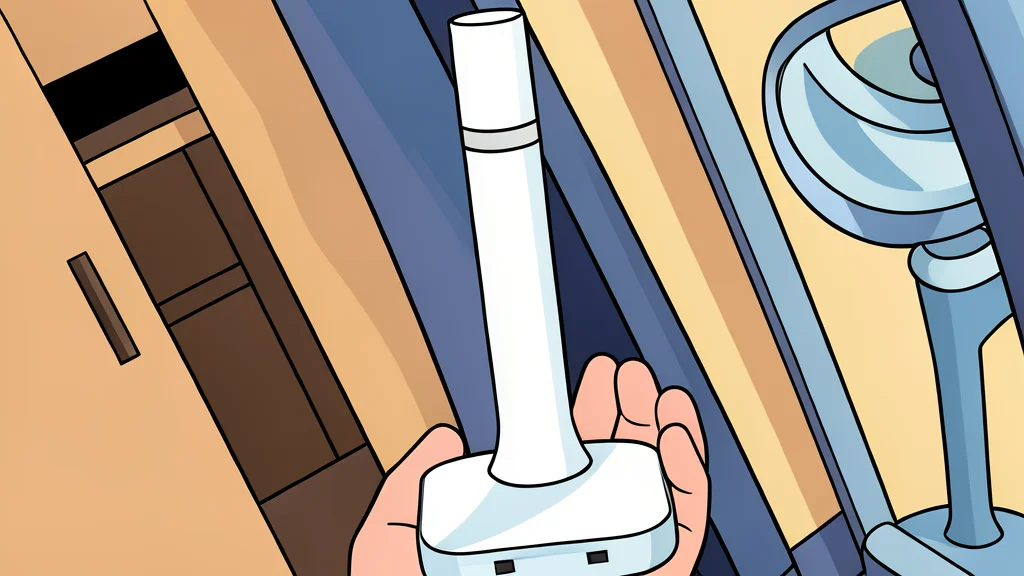
There is a way to avoid these fees entirely by choosing devices that communicate locally. Protocols like Zigbee and Z-Wave operate over a direct radio connection between the hub and the devices, bypassing the need for cloud servers. For users willing to invest in a small Zigbee dongle, the cost is a one-time purchase that provides full control without monthly subscriptions. This approach ensures that devices continue to work even if the internet connection drops, offering both reliability and cost savings.
Before purchasing new smart home devices, users can check the integration details on platforms like Home Assistant. The IoT class label indicates whether a device uses local or cloud communication. Choosing local options not only avoids the new Samsung fees but also provides greater long-term stability and privacy. As the smart home industry evolves, the distinction between cloud-dependent and local devices is becoming a critical factor in building a resilient and affordable system.