Milence and Alpitronic Expand 1,000 kW Truck Charging Network
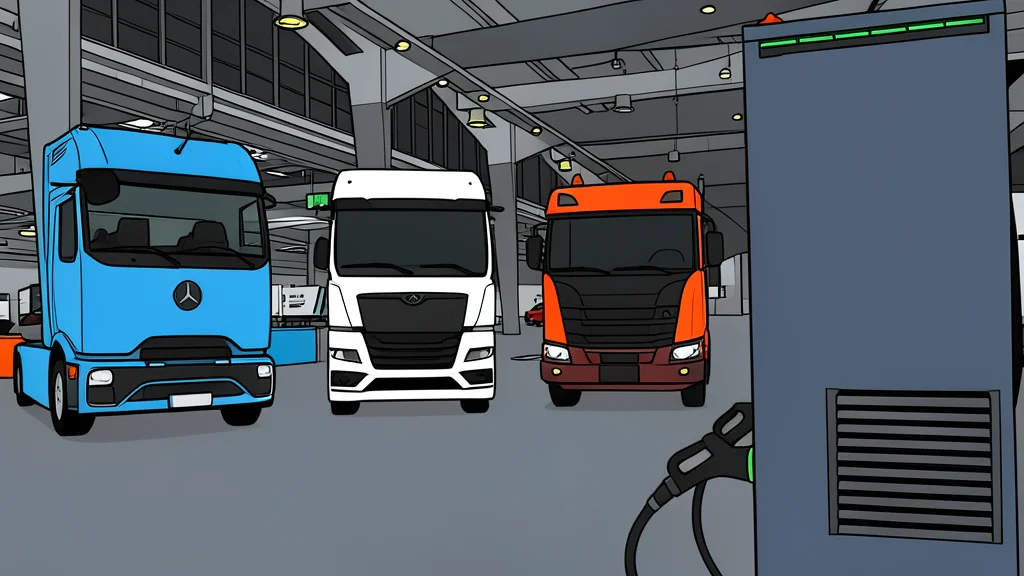
New partnership aims to place high-power chargers along European freight routes, targeting a 70-site network by 2027.
Key points
- Milence and Alpitronic are deploying 1,000 kW chargers that recharge electric trucks to 80% in 30-45 minutes.
- The network includes battery storage systems to manage grid load during high-power charging sessions.
- Milence plans to expand to 70 charging hubs across Europe by 2027, with most supporting MCS technology.
Milence has signed a strategic agreement with charging technology firm Alpitronic to accelerate the rollout of high-power charging stations for electric trucks across Europe. According to Electric Cars Report, the collaboration focuses on deploying Megawatt Charging System (MCS) infrastructure along major freight corridors, addressing the critical need for faster recharging times in long-haul logistics.
The primary goal is to align charging durations with mandatory driver rest periods. By delivering up to 1,000 kW of power, the new systems aim to recharge heavy-duty vehicles to 80% capacity within 30 to 45 minutes. This timeframe is designed to fit seamlessly into existing operational schedules, making battery-electric trucks a more viable alternative to diesel-powered vehicles for freight operators.
Charging speeds match mandatory driver breaks
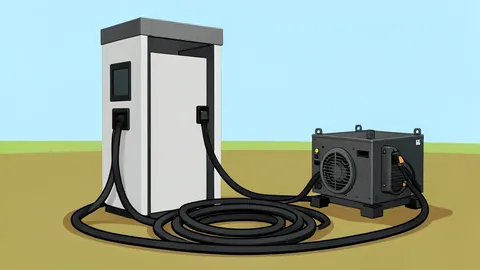
The core of this expansion is Alpitronic’s HYC1000 system, which utilizes a larger connector capable of handling the high currents required for megawatt-scale charging. Unlike conventional CCS connectors, this technology is specifically engineered for heavy-duty applications where rapid energy transfer is necessary to maintain route efficiency.
This approach transforms the charging stop from a downtime bottleneck into a productive rest period. For fleet managers, the trade-off is infrastructure compatibility; MCS requires specific hardware and connector standards that differ from standard public charging points. Therefore, the network must be carefully planned to ensure that electric trucks can reliably access these high-power hubs without detours.
Grid capacity limits require storage solutions
High-power charging places significant stress on local electrical grids, particularly in industrial zones where capacity may be limited. To mitigate this, the partnership includes the use of battery energy storage systems, such as the Pixii PowerBase XLP. These units can store up to 2 MWh of energy and deliver up to 1 MW of power, allowing charging hubs to manage grid connections more efficiently.
This storage integration helps smooth out peak demand spikes when multiple trucks charge simultaneously. However, it adds complexity and cost to the installation process. Operators must balance the initial investment in storage hardware against the long-term reliability of the charging service, ensuring that trucks are not left waiting due to grid limitations.
Network growth targets seventy hubs by 2027
Milence, a joint venture involving Daimler Truck, Traton Group, and the Volvo Group, currently operates around 40 charging hubs across nine markets. The company aims to expand this network to 70 hubs by the end of 2027, with more than half of these sites supporting MCS technology. The expansion is concentrated along key transport routes to ensure reliable access for long-distance freight.
Beyond hardware, the partnership includes work on digital integration for remote monitoring and maintenance. Reliability is a key factor for fleet operators, as a high-power charger that is frequently unavailable undermines the economic case for electric trucks. The focus on operational efficiency aims to reduce downtime and improve the overall availability of the charging network.