North Carolina Expands Highway Charging Network
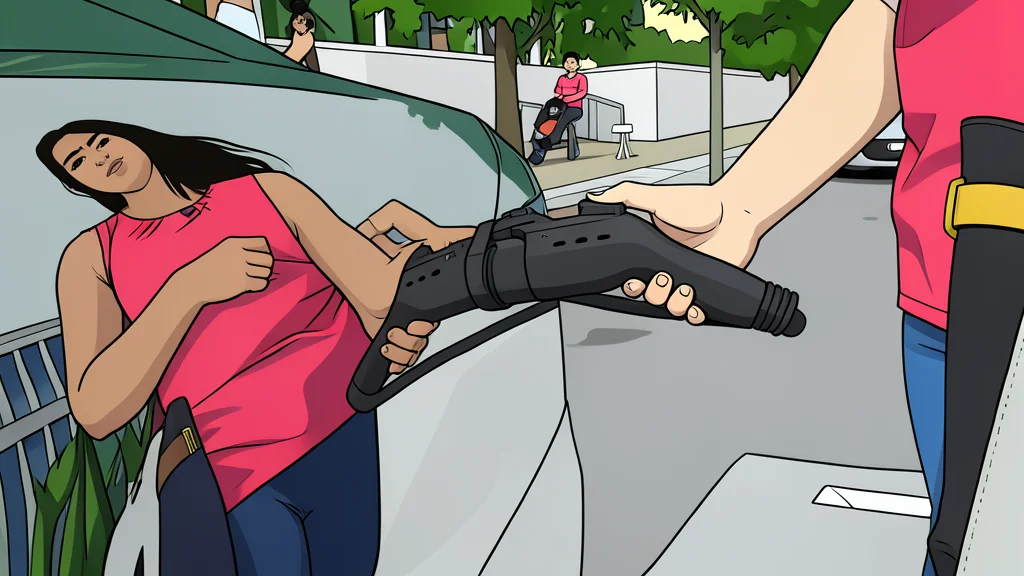
North Carolina has allocated another $14.4 million to expand electric vehicle charging infrastructure along major highways, aiming to reduce range anxiety for drivers traveling across the state.
The North Carolina Department of Transportation has released the second round of funding for electric vehicle charging stations. This allocation of $14.4 million comes from the state's share of the federal National Electric Vehicle Charging Infrastructure program. The funds are directed toward eight private businesses that will build and manage new charging hubs in fourteen specific locations.
These new sites will be spread across various parts of the state, including cities like Asheboro, Columbus, High Point, Kinston, Raleigh, Wadesboro, and Weaverville. They join five other stations funded in 2024, forming the initial layer of a broader network. The goal is to make long-distance travel more predictable for electric vehicle owners by ensuring access to power at regular intervals along major travel corridors.
Funds Target High-Traffic Corridors
The funding mechanism works as a reimbursement system. Businesses apply for grants to cover the costs of procuring, installing, and operating the chargers. Once the stations are active, the state reimburses these expenses from the pool of $109 million received through the federal program. This approach leverages private sector expertise in installation and maintenance while using public funds to lower the financial barrier for operators.
Rural Areas Remain In Priority
According to GN auto tech/ev: electric vehicle, the current phase focuses on interstates and highways where traffic volume is highest. However, state officials have noted that a later phase of development will address communities and rural areas with greater needs. This two-step process means that while major travel routes are being equipped first, residents in less densely populated areas may have to wait for the next funding cycle to see similar infrastructure improvements near their homes.
Timeline And Practical Limits
The full network is expected to be complete within three years. While this is a significant step forward, the infrastructure is still in its infancy compared to the widespread availability of gasoline stations. Drivers should note that these chargers are primarily located along major corridors rather than in every local neighborhood. The trade-off for using federal funds to subsidize private operators is that the placement of stations is driven by traffic data and business viability, which may leave some local gaps in coverage for the foreseeable future.