NYC Electric Bus Rollout Cuts Costs with Overhead Charging
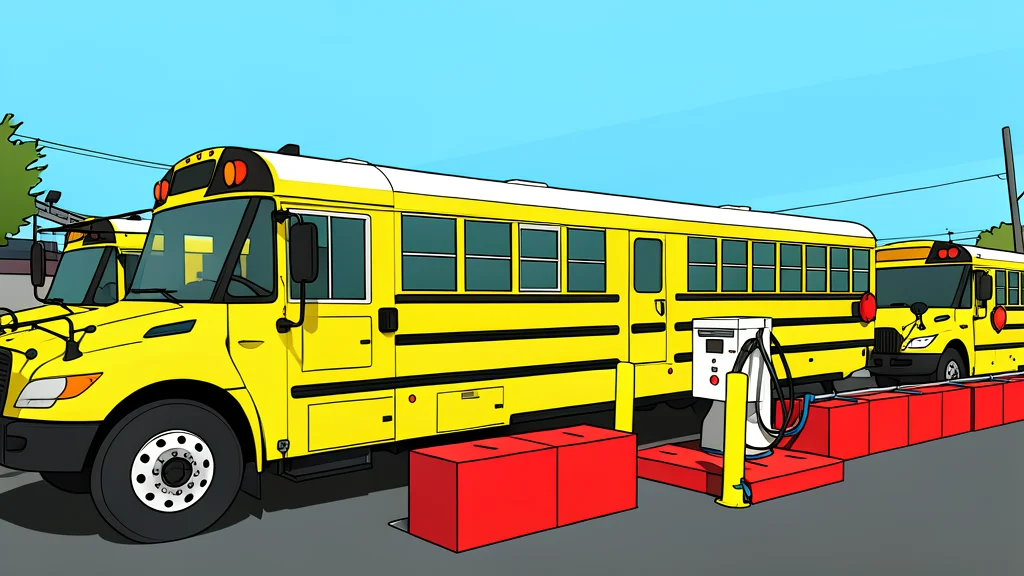
New York City is expanding its electric school bus fleet by adding 40 new vehicles. This expansion follows a successful pilot program that reduced infrastructure costs by 20% using overhead charging structures instead of buried cables.
First Student is introducing 40 new electric school buses to serve public schools in Brooklyn and Queens. The addition comes after the completion of a demonstration project that tested a new method for installing charging equipment in dense urban areas. By changing how the electrical infrastructure is deployed, the project lowered upfront construction costs and reduced the time needed for installation.
The core innovation is an above-ground charging system that avoids the need to dig trenches for electrical cables. In cities like New York, excavating paved bus yards is often expensive and disruptive to traffic. By carrying power overhead, the system sidesteps these logistical hurdles. As reported by Electrek, this approach allows fleet operators to save money and complete projects faster without the typical construction delays associated with underground wiring.
Overhead wiring reduces urban construction costs
Traditional charging installations require burying service lines, which involves significant civil engineering work. The new method eliminates this step, directly lowering the financial burden on the operator. Con Edison and the New York State Energy Research and Development Authority funded the initial phase of this test. This support included vouchers for new electric buses and assistance for converting existing diesel vehicles to electric power.
The trade-off is a change in visual and spatial infrastructure. While the system is faster to install, it requires overhead structures rather than discreet underground cabling. For dense city environments, this means the charging infrastructure becomes a visible part of the bus depot landscape. However, the speed and cost savings make it a practical choice for operators trying to meet strict electrification deadlines without breaking the budget.
Smart charging manages grid load and bills
Beyond the physical installation, the project uses software to manage when the buses charge. The system directs energy flow to off-peak hours when electricity rates are lower. This strategy helps control operational costs and reduces the strain on the local power grid. Coordinating charging times is crucial for large fleets to ensure that simultaneous plugging in does not cause power spikes.
This approach addresses one of the main concerns for utility companies: the impact of large-scale electric vehicle adoption on grid stability. By smoothing out energy demand, the fleet becomes a more manageable part of the city’s energy mix. The software acts as a buffer, ensuring that the massive power draw of school buses does not interfere with other critical city services.
State mandates drive rapid fleet expansion
The push for efficiency is driven by strict state regulations. New York State requires that all new school buses purchased by 2027 be zero-emission. The entire fleet must be zero-emission by 2035. These deadlines create urgent pressure to find scalable and affordable solutions for electrification. The current project serves as a proof of concept for how to meet these targets in a dense urban setting.
First Student is already looking at further upgrades for its Brooklyn facilities, including solar panels and a smart energy hub. These additions would further reduce reliance on the grid and lower long-term energy costs. The current success suggests that other cities facing similar density and cost challenges may adopt similar overhead charging strategies to accelerate their own fleet transitions.