Oil Conflicts Drive Prices up, Not EVs
Six separate geopolitical conflicts are currently disrupting global oil supplies, causing price spikes that have little to do with the rise of electric vehicles.
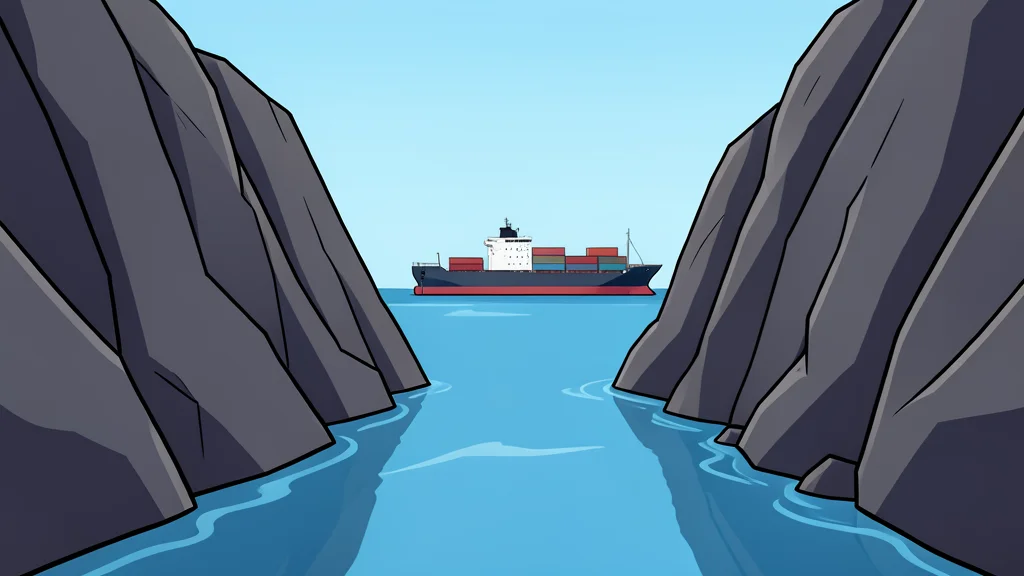
The global energy market is currently under pressure from six distinct geopolitical conflicts, all centered on the availability of crude oil. These disruptions have led to significant price volatility, yet they are entirely unrelated to the adoption of electric vehicles. The primary driver of this instability is the closure of the Strait of Hormuz, a critical chokepoint for international trade.
Since March, the Strait has been largely closed to ship traffic following a military escalation involving Iran. While many feared an immediate global oil price shock, the impact has been moderated by shifting consumption patterns. China, traditionally the largest consumer of oil from this region, has drastically reduced its imports and domestic usage, largely due to a rapid expansion in electrified transportation.
China’s shift reduces oil demand
China’s pivot away from fossil fuels has inadvertently softened the blow of the supply crisis. By cutting oil imports and increasing the use of electric vehicles, the country has offset a massive portion of the lost supply from the Strait. This reduction in demand has prevented the oil prices from spiking as severely as initial forecasts predicted, despite the closure of such a vital shipping lane.
Other nations have also seen a surge in electric vehicle sales, but China’s scale makes its impact unique. The country’s ability to absorb supply shocks through technological transition demonstrates a different economic resilience compared to nations still heavily reliant on imported crude. This shift highlights how changing consumption habits can stabilize markets during geopolitical crises.
Alternative routes face new threats
With the Strait of Hormuz effectively blocked, global traders have turned to alternative pipelines to move oil from Saudi Arabia. One key pipeline, built in the 1980s to handle similar disruptions, has recently become a target. A drone attack on a pumping station by rebel groups in Yemen forced the shutdown of this vital infrastructure, further tightening the supply chain.
The instability extends to the Bab-El-Mandeb strait, another critical chokepoint near Yemen. Attacks on shipping in this area have prompted international defense pacts to protect vessels. These coordinated conflicts across the Middle East create a complex web of risk that continues to elevate the cost and uncertainty of global energy trade.
Geopolitics drives energy costs
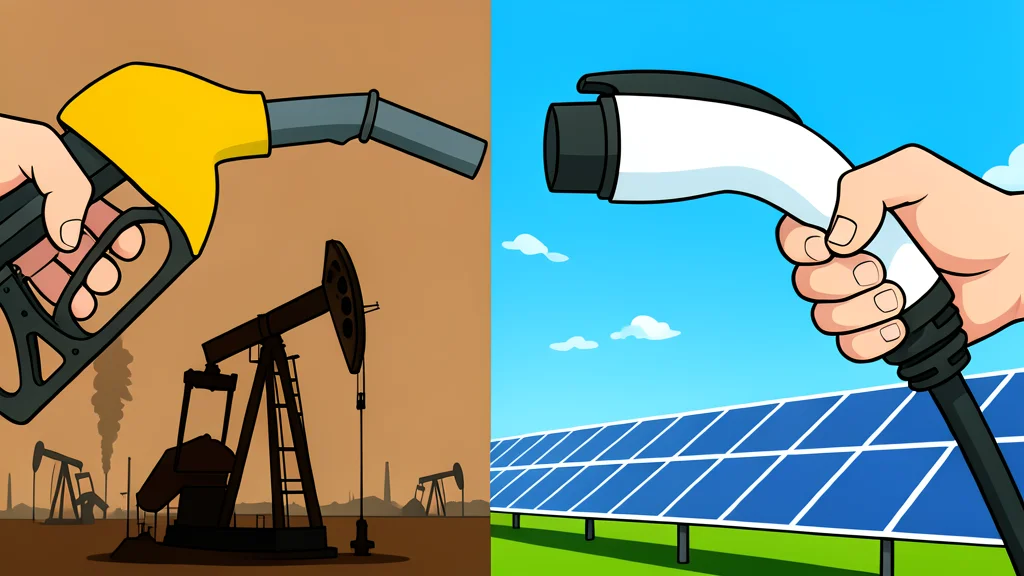
The current situation underscores that oil prices are driven by geopolitical strategy rather than the availability of electric vehicles. As noted by Electrek, the link between EV adoption and oil conflicts is often misunderstood. In reality, the transition to electricity helps mitigate the impact of these conflicts by reducing dependence on volatile supply lines.
For consumers, the takeaway is that rising fuel costs are a symptom of broader political instability. While electric vehicles offer a way to decouple from these specific supply risks, the underlying tensions in the oil market remain a significant factor in global economic stability.