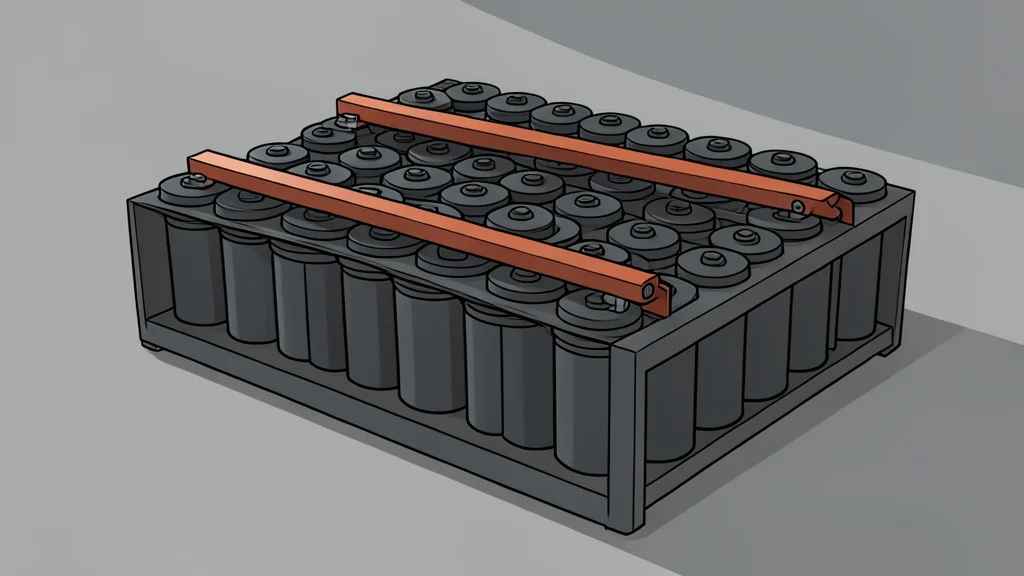
Porsche Launches Wireless Charging for the Cayenne Electric
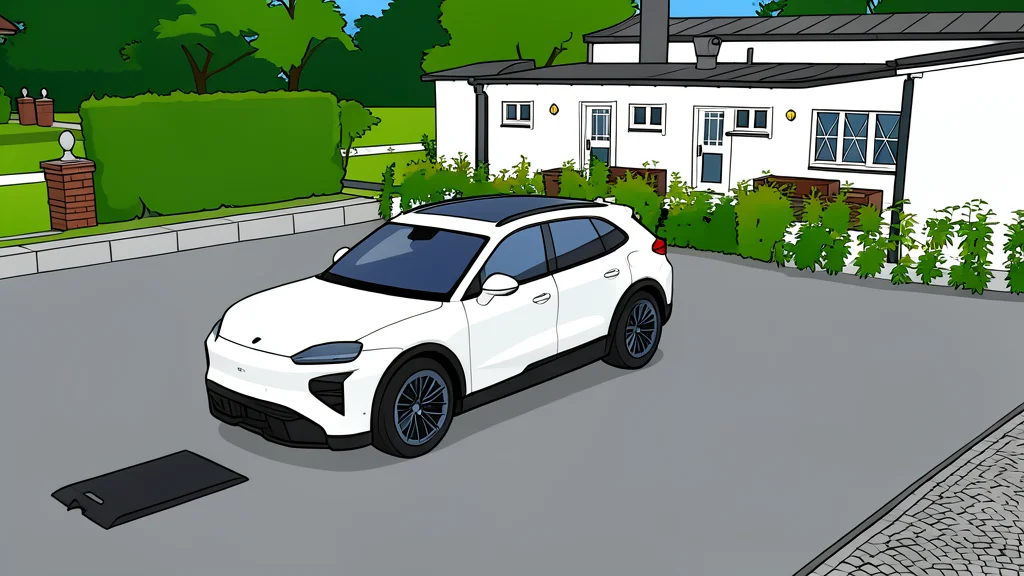
Porsche has begun production of a wireless charging system for its Cayenne Electric, allowing drivers to charge by simply parking over a ground pad. The feature offers 11 kW power but requires a dedicated driveway installation.
Porsche has officially moved its wireless charging technology from concept to production, making it available for the Cayenne Electric. The system eliminates the need to handle a charging cable, requiring drivers only to park the vehicle over a dedicated ground pad to initiate the energy transfer.
The technology, reported by GN auto tech/ev: electric vehicle, relies on inductive charging to transmit power between a pad under the car and a corresponding unit embedded in the driveway. While this adds a layer of convenience, it introduces specific installation requirements and performance trade-offs compared to traditional plug-in methods.
Power output and efficiency limits
The system is designed to deliver up to 11 kilowatts of power, which is sufficient for overnight charging but slower than many high-speed DC fast chargers. Porsche claims an efficiency rate of approximately 90%, meaning about 10% of the energy is lost as heat during the transfer process.
This efficiency gap is a physical consequence of inductive charging, where energy is transmitted through magnetic fields rather than a direct electrical connection. For most users, this trade-off is acceptable for home use, but it means the system cannot support rapid top-ups for long-distance travel.
Safety mechanisms for pets and objects
A primary concern with ground-based wireless charging is the risk of heating foreign objects or harming animals. To address this, Porsche integrates motion sensors and foreign object detection into the system. If a living creature approaches the pad or if a metallic object is detected, the charging process stops automatically to prevent injury or damage.
These safety features are designed to be highly responsive, ensuring that the electromagnetic field is only active when the vehicle is correctly positioned and no obstacles are present. This automation removes the need for manual safety checks, though it relies on the precision of the vehicle's parking accuracy.
Installation requirements and market rollout
Unlike a portable charger, this system requires a permanent installation of a weatherproof ground pad in the customer's parking space. This necessitates a concrete driveway and potentially electrical work to support the dedicated power draw, which may not be feasible for all homeowners or apartment dwellers.
The technology is currently being rolled out in stages, with orders open in Germany and other European markets. Availability in other regions will likely depend on local electrical standards and infrastructure, meaning the convenience of plug-less charging remains a premium feature for a select group of early adopters.