Battery Brand Trust Outweighs Tech Specs in EV Choices
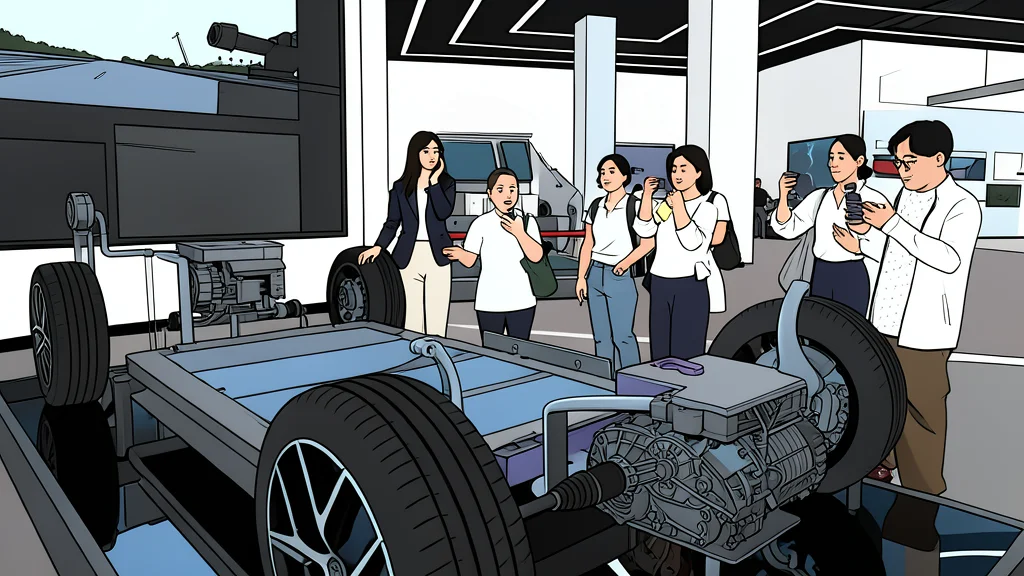
New survey data reveals that consumers increasingly view the battery maker as a proxy for overall vehicle safety, with brand reputation now rivaling technical specifications in purchasing decisions.
For many electric vehicle buyers, the invisible component inside the chassis is becoming a decisive factor in the purchase decision. A recent global survey indicates that consumers no longer view batteries merely as technical parts defined by capacity and charging speed. Instead, the identity of the battery manufacturer is now a primary driver of trust, often ranking just behind overall vehicle safety in consumer priorities.
The study, highlighted by GN auto tech/ev: electric vehicle, suggests that the choice of supplier can directly influence whether a customer walks away from a deal. This shift adds a consumer-facing dimension to a component that was previously assessed only through engineering metrics. For automakers, this means that brand reputation in the battery sector is now a critical market differentiator, particularly in major markets like China.
Brand Recognition Drives Purchase Intentions
Data from a NielsenIQ survey of over ten thousand owners and prospective buyers shows that trust in specific battery brands is tangible. In China, respondents ranked batteries above smart features and driving performance when selecting a vehicle. The survey found that nearly forty percent of Chinese consumers would abandon a preferred car model if it did not use cells from a specific top-tier manufacturer. This indicates that brand loyalty has moved from the carmaker itself to the core component supplier.
Globally, the perception is similar, with eight in ten respondents viewing the battery as the determinant of vehicle safety and overall quality. Consumers expressed a higher willingness to pay a premium for vehicles equipped with batteries from brands they perceive as high-quality. This creates a competitive landscape where battery makers like CATL and BYD are not just suppliers but key influencers of the end-user experience.
Performance Gaps Remain a Core Concern
Despite the high regard for battery brands, dissatisfaction with actual performance persists. The survey identified the gap between advertised driving range and real-world results as the largest source of consumer frustration. Chinese respondents expressed a desire for an ideal range of 870 kilometers, with a minimum acceptable threshold of 521 kilometers. This expectation significantly exceeds the global minimum expectation of 504 kilometers, highlighting a specific pressure on manufacturers to deliver consistent long-distance capability.
Safety remains a paramount concern, with forty percent of Chinese respondents specifically citing battery safety as a key selection criterion. This anxiety is compounded by the complexity of modern electric drivetrains. While technical specifications like charging speed are important, the psychological weight of battery reliability and safety overrides these features for a significant portion of the market.
Manufacturers Face Pressure to Deliver Consistency
The survey urges manufacturers to bridge the gap between technical potential and user experience. Simply offering high-capacity cells is no longer sufficient to satisfy modern buyers. Automakers are expected to improve real-world range accuracy and energy management systems. Furthermore, the industry is under pressure to work with charging providers to expand access to fast-charging infrastructure, ensuring that the theoretical benefits of advanced battery technology translate into practical, everyday reliability for the driver.