Rivian Converts Vacant Houston Restaurant into Retail Hub
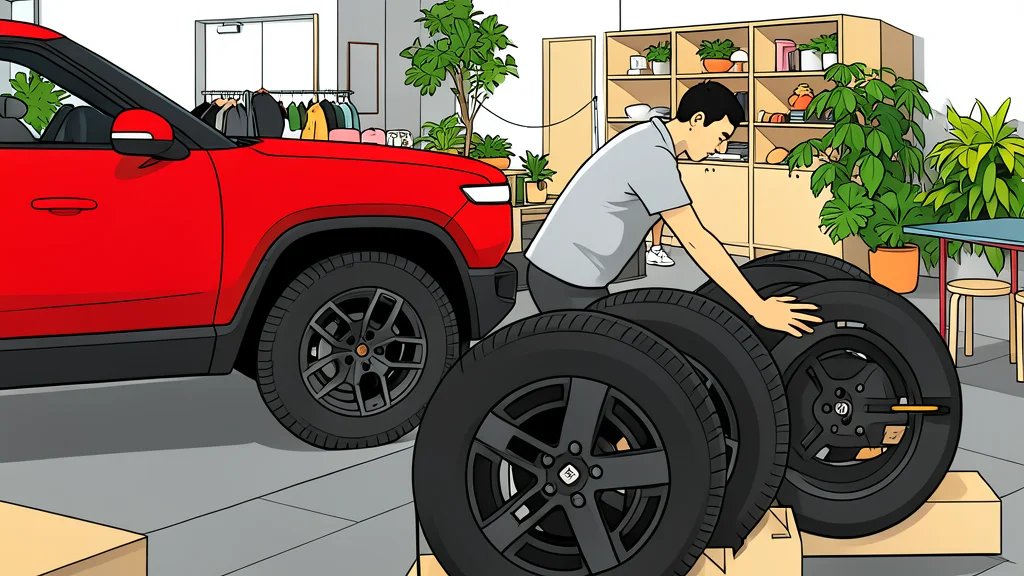
Rivian is transforming a closed Hooters restaurant in Houston into its third Texas retail space, navigating state laws that prohibit manufacturers from owning traditional dealerships while expanding its direct-to-consumer presence.
Rivian has confirmed plans to repurpose a vacant former Hooters restaurant in Houston’s Upper Kirby district as a new retail hub. The California-based electric vehicle maker will renovate the approximately 6,237-square-foot building at 2519 Southwest Freeway, marking its third such location in Texas. This move represents a strategic expansion in a state where regulations create a distinct landscape for automotive sales, requiring manufacturers to operate outside the traditional dealership model.
The project is expected to begin work on June 1, with a target completion date of December 4. Filings with the Texas Department of Licensing and Regulation indicate an estimated renovation cost of $2.3 million, funded by Rivian as the tenant. The site has been boarded up since Hooters closed the location in July 2024, and fencing was recently installed around the property. This new hub will function as an experience center where customers can view vehicles and schedule test drives, rather than a place where transactions are finalized on-site.
Navigating Texas Dealership Restrictions
The structure of this new location is dictated by Chapter 2301 of the Texas Occupations Code, which bars vehicle manufacturers from owning or operating licensed retail dealerships. Consequently, Rivian and other direct-to-consumer brands like Tesla operate their physical storefronts as galleries or experience centers. While shoppers can interact with the vehicles and purchase merchandise in person, the actual sale of the vehicle must be completed online or out of state. This legal framework means that while Rivian can deliver vehicles to Texas customers, it cannot hold a traditional dealership license that would allow for on-site title and registration processing.
This approach allows Rivian to maintain a direct relationship with customers while complying with state law. The company already operates two similar retail spaces in Austin and Dallas, along with separate service and demo centers across the state. The Houston hub will join these existing locations, providing a consistent point of contact for customers in the state’s largest metropolitan area. By using a retail hub model, Rivian avoids the complex licensing requirements associated with independent dealerships, streamlining its operational footprint in Texas.
Expanding Infrastructure in Growing Market
The choice of location aligns with Houston’s status as the leading electric vehicle market in Texas. Data from Dallas-Fort Worth Clean Cities shows that Harris County tops the state in total EV registrations, reflecting strong local demand. Rivian’s investment in the region extends beyond this retail space; the company has already established a service center in Houston and is investing heavily in supporting infrastructure. A separate project next door involves a Shell gas station adding EV charging stations, further densifying the charging network in the area.
Rivian is also expanding its backend capabilities in the state, including a $9.9 million parts distribution center in Fort Worth and a planned $9.5 million service facility in Round Rock. These investments signal a long-term commitment to the Texas market, where registered electric and plug-in hybrid vehicles have more than tripled since mid-2022. The company’s strategy focuses on creating a seamless ecosystem of retail, service, and charging infrastructure to support growing adoption rates.
Context of Retail Vacancies
The repurposing of this specific building reflects broader trends in the retail sector. Hooters closed its Kirby-area restaurant as part of a nationwide restructuring driven by rising costs and shifting consumer spending, eventually filing for bankruptcy in 2025. The property has since been acquired by a Texas partnership, Colina Ventosa LTD, which leases it to Rivian. This type of adaptive reuse allows EV makers to secure prominent, high-traffic locations that might otherwise remain vacant, turning underutilized commercial space into a modern automotive experience center.
According to GN auto tech/ev: electric vehicle, this development highlights the evolving nature of car buying in urban environments. As traditional car lots face pressure from changing consumer preferences and real estate dynamics, EV manufacturers are finding opportunities in vacant retail spaces. The Houston hub will serve as a showcase for the brand’s vehicles and technology, providing a tangible connection for customers in a state where direct sales are legally constrained but physically possible through these dedicated experience centers.