Solar-Powered Bikes Go Silent in Kenya's Maasai Mara
Rangers in Kenya’s Maasai Mara are replacing noisy petrol engines with silent electric motorcycles. The shift aims to protect wildlife from disturbance while cutting the cost of transporting fuel into remote areas.
Joshua Kijape no longer has to worry about his engine giving away his position. As a ranger patrolling the tall grasses of the Maasai Mara in Kenya, he now rides a quiet electric motorcycle. This change allows him to approach wildlife and potential poachers without the warning rumble of a petrol engine. The silence is a key advantage in one of Africa’s most sensitive ecosystems.
According to GN auto tech/ev, this pilot program represents a broader effort to integrate clean energy into conservation work. Operators are testing whether electric mobility can reduce maintenance costs and fuel consumption while minimizing noise pollution. The initiative coincides with the annual wildebeest migration, a period when the reserve is crowded with animals and tourists.
Silence helps protect wildlife
The primary benefit of switching to electric vehicles is the reduction of noise. Kijape notes that the quiet motor allows him to get closer to animals without causing them stress. It also helps in tracking poachers, who cannot hear the bike approaching. Jason Knauf, CEO of The Earthshot Prize, emphasized that if clean technology works in such a demanding environment, it strengthens the case for its use in other remote conservation areas.
Solar power cuts fuel costs
Beyond environmental benefits, there are significant economic drivers. Filip Lovstrom, CEO of Nairobi-based ROAM, explains that transporting petrol from the port of Mombasa to the reserve is expensive and logistically difficult. Charging bikes with solar energy on-site eliminates this supply chain issue. The bikes can travel about 160 kilometers on a single charge, making them practical for daily patrols.
However, there is a trade-off. Riders now need access to electricity for charging, which requires installing small solar and battery systems along patrol routes. While this adds to the infrastructure complexity, it replaces the constant need for fuel deliveries. The bikes plug into standard sockets, meaning the required charging infrastructure does not need to be massive.
Expansion beyond the reserve
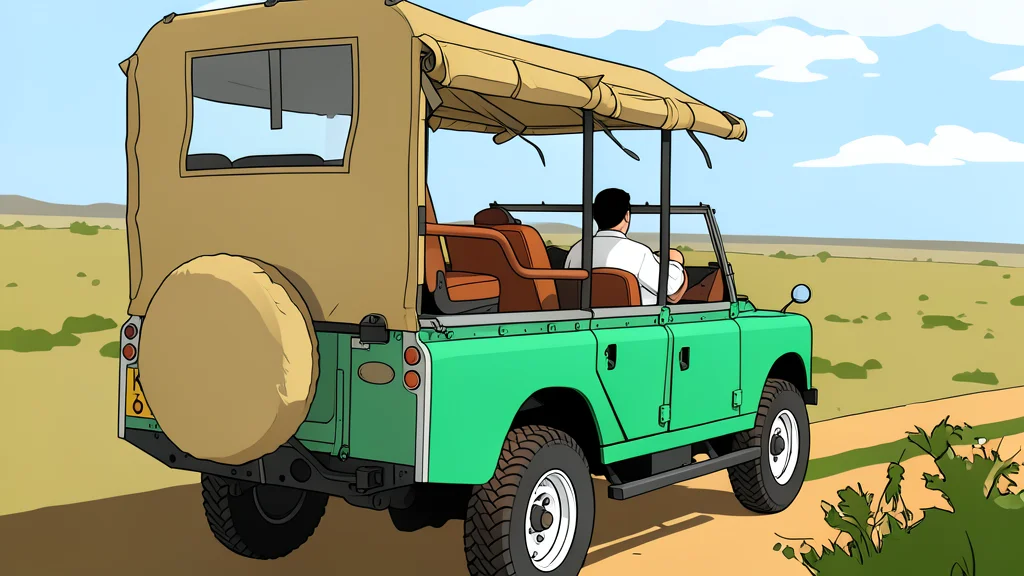
The application of this technology extends beyond rangers. Loic Amado of Emboo River Camp has used electric safari vehicles since 2019, charging them exclusively with solar power. He describes this as an economical and sustainable solution. Through his firm EERA LAB, Amado now supports 25 lodges across East Africa with similar solar and electric vehicle conversions. What started as a single test case has grown into a regional sustainability operation.