Fitbit Charge 7 FCC Filing Hints at Wear OS and GPS
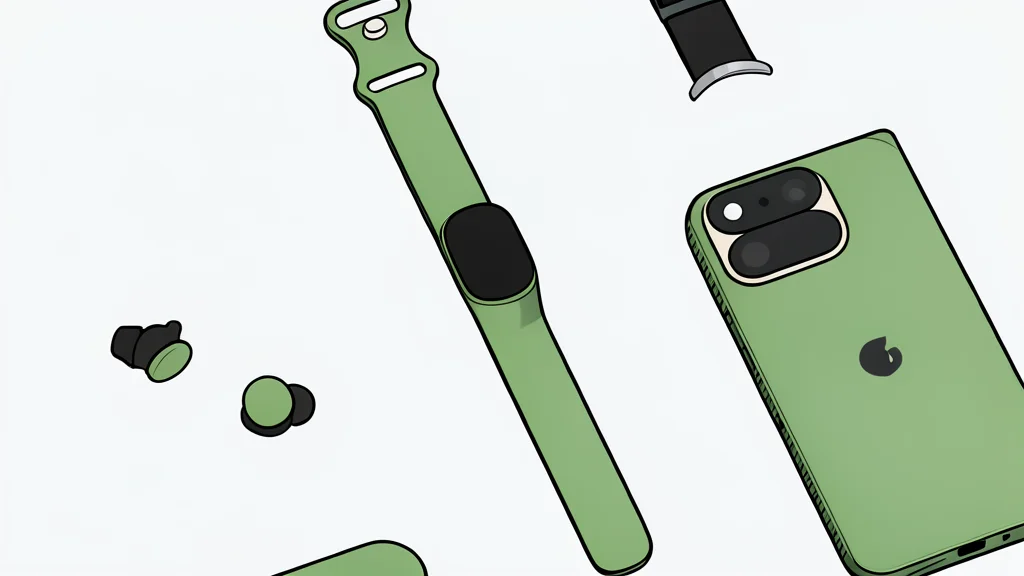
Regulatory documents suggest the next Fitbit tracker will run a full Android system, raising questions about battery life.
A new device with the model number G8BL6 has appeared in U.S. Federal Communications Commission records, strongly suggesting it is the long-rumored Fitbit Charge 7. The filing confirms the inclusion of GPS and Bluetooth Low Energy, but the most significant detail is the operating system. The device appears to run Wear OS, a full Android-based platform, rather than the lightweight firmware used in previous Fitbit trackers.
This shift marks a departure from the traditional fitness band approach. By adopting a more complex software stack, Google is positioning the device closer to a smartwatch than a simple activity monitor. However, this technical upgrade introduces a critical trade-off: running a full operating system on a compact, battery-powered device typically consumes more energy. Whether the Charge 7 can maintain the multi-day battery life that defined the Fitbit brand remains the biggest question for consumers.
Regulatory files reveal software shift
According to the FCC submission filed by manufacturer Goertek, the device does not support Wi-Fi or cellular connectivity, meaning it will rely on Bluetooth to sync with a smartphone. This is consistent with previous Fitbit hardware. The key indicator of the software change is the location of the regulatory information menu. It is found under 'Settings > System > Regulatory Information,' a structure identical to the Pixel Watch and distinct from the current Charge 6.
Additionally, the use of an Android Debug Bridge during testing suggests a full-fledged Android environment. As reported by GN auto tech/wearables: fitness tracker, this points to a heavily stripped-down version of Wear OS, optimized for the smaller form factor of a fitness band. The absence of Wi-Fi also implies that users will not be able to download maps or music directly to the device, a feature common on larger smartwatches.
Battery life faces new challenges
The move to Wear OS contradicts earlier assumptions that the Charge 7 would be a pure fitness tracker with minimal processing power. Traditional fitness bands are designed for efficiency, often lasting five to seven days on a single charge. A full operating system requires more background processing, which can drain batteries faster. Google has not disclosed the specific battery capacity of the G8BL6, so there is no way to verify if the hardware can sustain the software demands.
If the battery life drops significantly, the device may struggle to compete with dedicated fitness trackers that offer longer endurance. This is the primary catch for potential buyers: you may gain smartwatch-like features and app compatibility, but you might lose the hassle-free, multi-day usage that made the Fitbit Charge series popular. The trade-off between functionality and autonomy is yet to be determined by real-world testing.
Release date and pricing remain unknown
The FCC documents do not provide a release date or a price tag. The filing notes that user manuals and product photos will be kept confidential until March 2027, which is a standard regulatory delay rather than a confirmed launch window. The device was first spotted in promotional materials for the Pixel 11 series, but those advertisements have since been removed.
With the Pixel Watch 5 already occupying the premium segment, the Charge 7 is expected to sit in a more affordable entry-level position. It will compete with other smartwatches and fitness bands, including recent updates from Apple. Until official specifications are released, the confirmed facts remain limited to the hardware components and the likely software foundation, leaving the actual user experience in the realm of speculation.