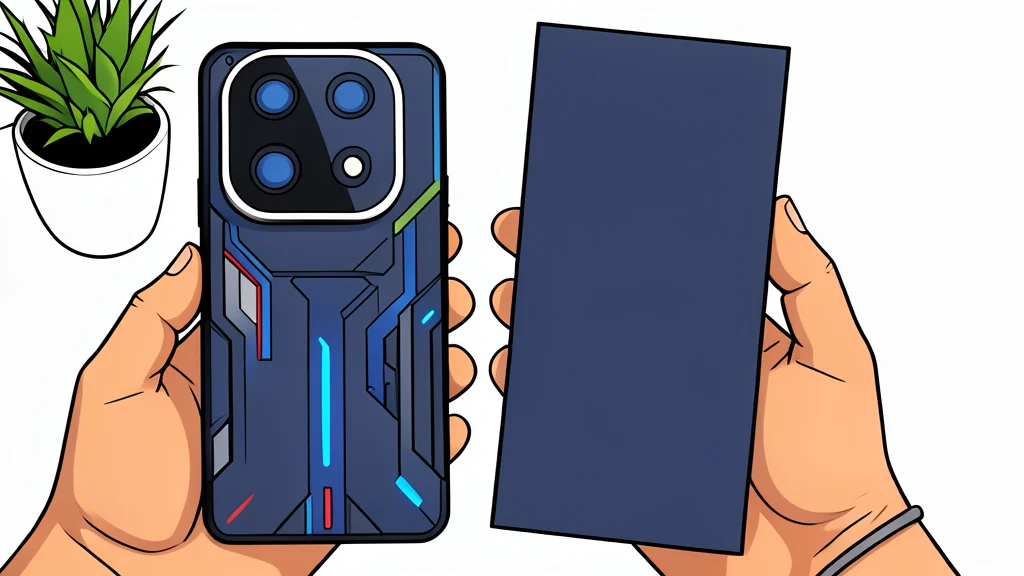
Apple iPhone Duo vs Xiaomi 18 Fold: The Software Divide
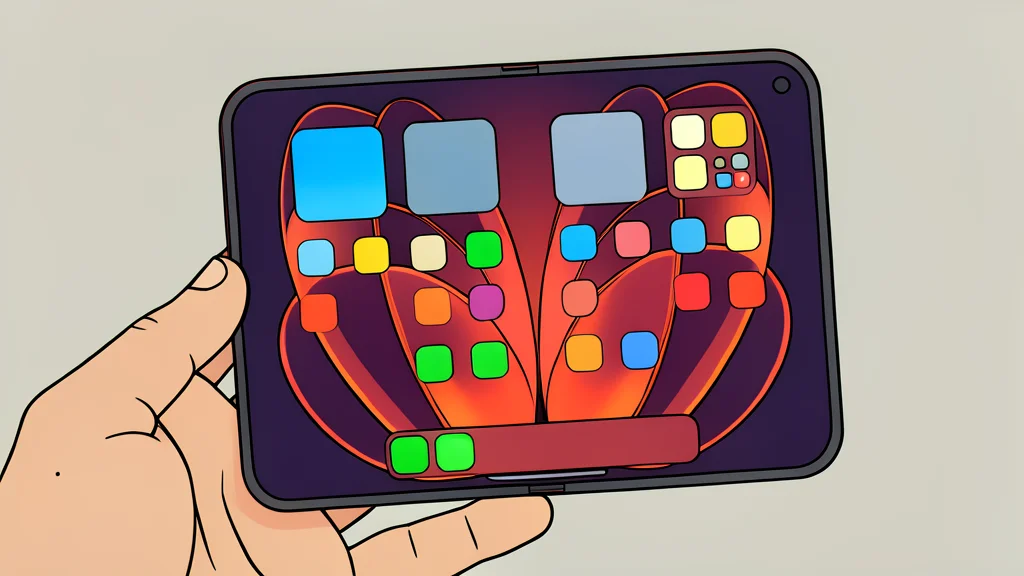
Two top-tier foldables, one major difference. While the Xiaomi 18 Fold wins on design and battery, the iPhone Duo offers a software experience that remains exclusive to the Apple ecosystem.
The choice between the Apple iPhone Duo and the Xiaomi 18 Fold ultimately comes down to your comfort with software ecosystems. Both devices represent the current peak of wide-screen foldable technology, offering expansive inner displays and premium build materials. However, they approach the user experience from opposite ends of the spectrum. One prioritizes seamless integration and long-term support, while the other focuses on hardware innovation and physical design, albeit with significant regional restrictions.
For many buyers, the deciding factor will not be the chipset or the screen resolution, but rather the availability of applications and services. As reported by Android Central, the software environment is the primary differentiator in this matchup. This creates a complex trade-off: the device with the superior hardware may be limited in utility outside of its home market, while the device with the more restricted hardware profile offers a guaranteed, globally accessible digital life.
Hardware performance and battery life
Both smartphones utilize custom silicon designed to maximize efficiency. The iPhone Duo features the A20 Pro chip, which promises significant power improvements and better battery management compared to previous generations. In contrast, the Xiaomi 18 Fold relies on the Xring 03 platform, a new entry in a market traditionally dominated by Qualcomm. While both processors are expected to deliver high performance, the Xiaomi device holds a distinct advantage in raw battery capacity, packing a 6,000mAh cell that should easily last a full day of heavy use.
Charging speeds and methods also differ significantly. The Xiaomi 18 Fold supports 67W USB Power Delivery, allowing for rapid recharging. The iPhone Duo, however, sticks with 25W MagSafe wireless charging. While slower, the magnetic alignment of MagSafe offers a convenience that the Xiaomi lacks, as it does not include built-in magnets for standard Qi 2.2 chargers. Users must weigh the speed of wired charging against the ease of wireless attachment.
Design differences and durability
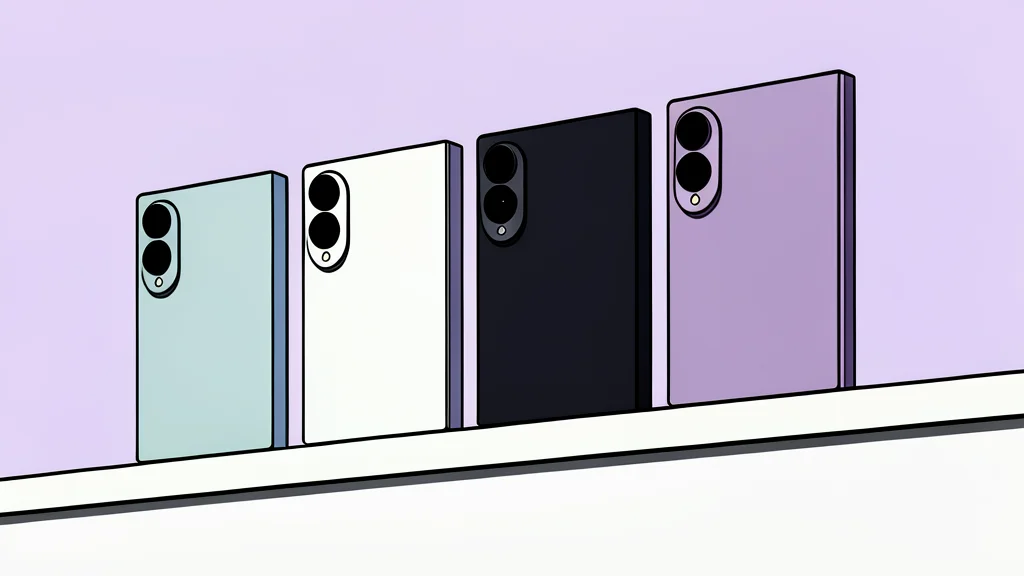
The physical attributes of these devices highlight their different design philosophies. The iPhone Duo is notably heavier at 254 grams, making it the heaviest foldable expected in 2026. It is also thicker than its Android counterparts. In exchange for this weight, Apple provides IP68 dust and water resistance, a feature shared by very few other foldables. This protection offers peace of mind for daily use, reducing the fear of accidental spills or dust exposure.
The Xiaomi 18 Fold is 35 grams lighter and boasts what reviewers describe as the best design among wide foldables. Its bright red finish and sleek profile are visually striking. It offers IP58 and IP59 protection, which is sufficient for most outdoor conditions but not as robust as the iPhone’s rating. The inner display of the iPhone Duo uses layered ultra-thin glass to resist deformation, a common issue in foldable screens, whereas the Xiaomi relies on its structural design to maintain flatness.
The software availability catch
The most significant limitation of the Xiaomi 18 Fold is its geographic restriction. It is currently limited to the Chinese market, meaning it lacks access to the Google Play Store and other standard Google services. For users outside this region, the device may lack essential apps, maps, and cloud services, rendering its superior hardware less useful. The absence of a global software ecosystem is a critical trade-off that cannot be overlooked.
Conversely, the iPhone Duo runs iOS 27, which guarantees at least seven years of security and feature updates. This long-term support ensures that the device remains secure and functional for a much longer period than typical Android devices. While the Xiaomi offers a modern Android 17 experience, the lack of guaranteed long-term updates and global app availability poses a risk for users planning to keep their phone for several years. The choice is between immediate hardware excellence with regional constraints, or consistent software reliability with global access.