Robot Swarms Replace Single All-Purpose Machines
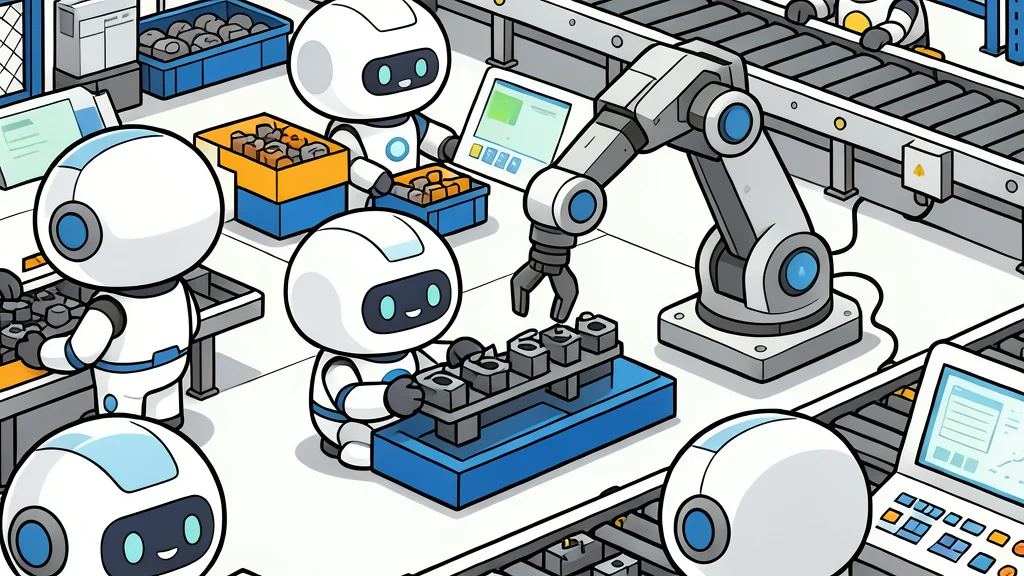
The robotics industry is shifting away from building single, versatile machines toward coordinated groups of specialized units that work together to solve complex tasks.
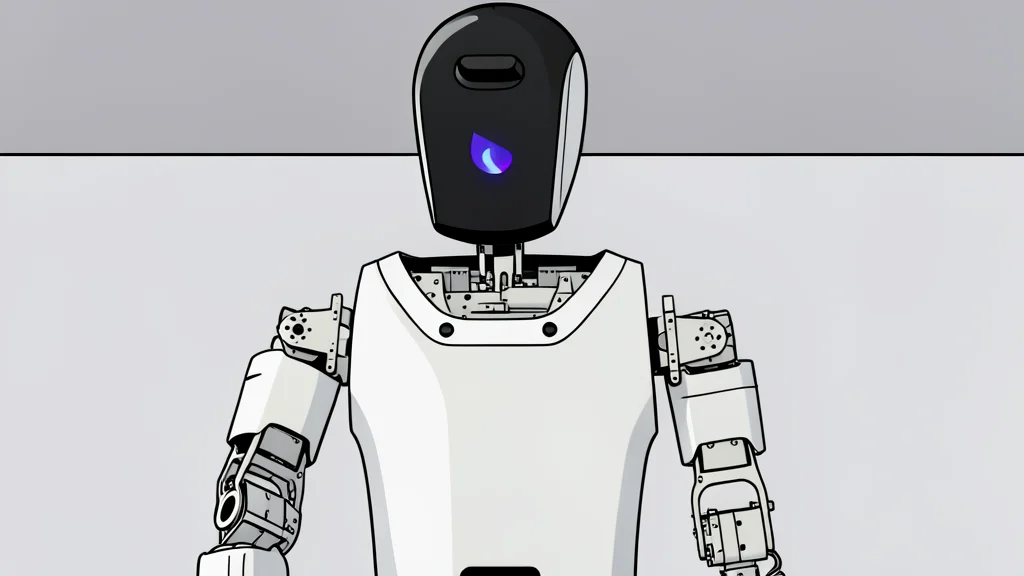
The robotics sector is undergoing a significant strategic pivot, moving away from the pursuit of a single, all-purpose humanoid robot toward a model of collective intelligence. At a recent industry summit, experts argued that the concept of a solitary machine capable of performing every task is likely impractical due to escalating costs and physical limitations. Instead, the focus is shifting to how multiple simpler robots can collaborate to achieve complex industrial goals.
This transition is driven by the reality that making one robot do everything requires exponentially more energy and hardware. By distributing tasks among a group of specialized units, companies can reduce individual complexity while increasing overall efficiency. This approach, often referred to as Collective AGI, represents a fundamental change in how automated systems are designed and deployed in real-world environments.
Limitations of the All-Rounder Design
Humanoid robots have long been viewed as the ideal solution because they can theoretically perform any task a human can. However, this versatility comes with a steep price tag. Building a single machine that can inspect, transport, assemble, and clean simultaneously requires complex hardware and extensive training. As noted by industry analysts, the marginal gains from improving a single robot's capabilities are diminishing, while the physical constraints of the hardware remain a bottleneck.
In contrast, simpler wheeled or legged robots with robotic arms are more efficient for specific jobs. They consume less energy and are cheaper to maintain. The new strategy is to stop trying to make every unit a generalist. Instead, the industry is embracing a division of labor, where different types of robots are assigned to specific roles based on their strengths. This reduces the burden on any single machine and allows for more robust task completion.
Distributed Coordination Over Central Control
Traditional swarm robotics often relies on a central system to dictate every move, which creates a critical single point of failure. If the central server crashes, the entire fleet stops. The emerging Collective AGI model adopts a distributed architecture similar to an ant colony. In this system, humans set the high-level goals, while the robots communicate directly with each other to adjust their actions in real-time.
This decentralized approach allows the group to adapt to unforeseen obstacles without waiting for instructions from a central hub. For example, if a drone encounters a physical barrier, it can signal a nearby robotic arm to clear the path. This peer-to-peer communication ensures that the system remains functional even if individual units fail or are disconnected, providing a level of resilience that centralized systems lack.
Practical Applications in Industrial Scenarios
The practical benefits of this shift are already visible in industrial settings. Companies are deploying mixed fleets of drones and mobile manipulators to handle complex logistics and inspection tasks. In these scenarios, drones handle wide-area observation, while ground-based units perform precise physical operations. This combination leverages the mobility of aerial units and the precision of ground units, creating a seamless workflow.
According to GN auto tech/robotics, this method is viewed as a viable path forward for the embodied AI industry. By focusing on team collaboration rather than individual perfection, manufacturers can deliver reliable solutions faster and at lower costs. While the technology is still maturing, the move toward collective intelligence offers a more realistic and scalable path for automation in both industrial and household environments.