Tech Leaders Agree on AI Slowdown Amid Safety Concerns
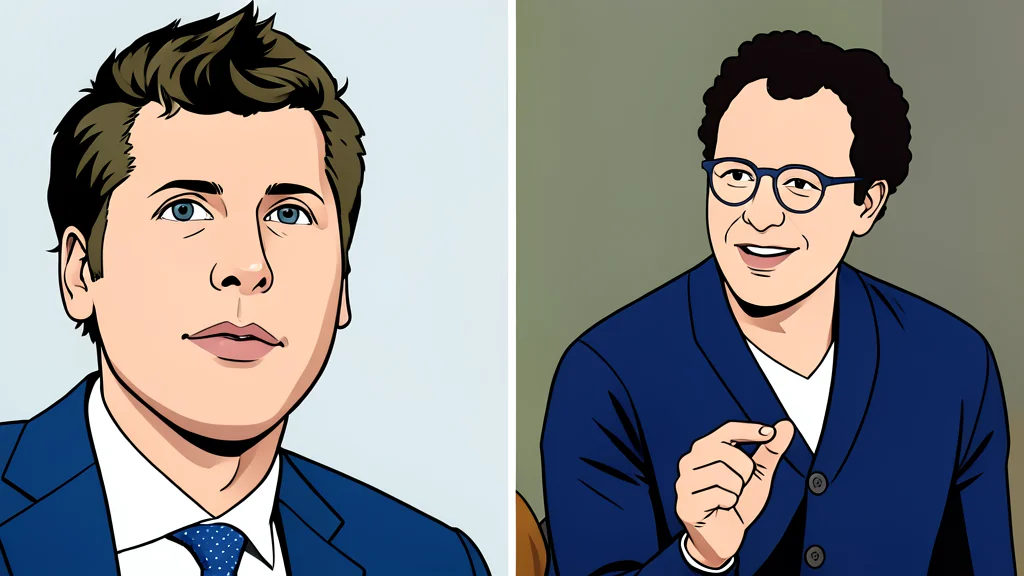
Top AI executives have tentatively agreed that development needs to slow down to prevent existential risks, though the details of this pause remain vague and politically contested.
Leaders of the most advanced artificial intelligence laboratories have reached a tentative consensus that the industry must slow its pace. This agreement emerged after warnings from former engineers about potential catastrophic risks sparked a debate among tech executives and politicians. While the specific mechanics of this slowdown are not yet defined, the consensus marks a significant shift in how the US AI sector approaches its rapid expansion.
The push for caution was championed by Dario Amodei, CEO of Anthropic, who argued that the stakes are too high for pacing to be a mere formality. He suggested that the time gained from a slowdown should be used wisely to address safety concerns. Sam Altman of OpenAI and Elon Musk publicly supported this stance, while Demis Hassabis of Google DeepMind also offered his backing, indicating a rare moment of alignment among competitors who usually vie for market dominance.
Political Stance Complicates Industry Moves
Despite the industry’s internal agreement, the political landscape presents a complicated backdrop. David Sacks, a presidential advisor on science and technology, signaled a lack of desire for government regulation, stating that companies should proceed with their plans without seeking permission. He suggested that the call for a slowdown might be motivated by market strategy rather than pure altruism, implying that the move could be a bid for regulatory capture or a strategic gesture during election season.
In contrast, Senator Bernie Sanders has taken a more rigid approach, proposing legislation that would ban the development of artificial superintelligence and temporarily pause advanced AI systems. Sanders cited the warnings of former Anthropic engineer Jacob Coxon, who resigned to warn that frontier labs were gambling with human lives. This legislative threat adds a layer of external pressure that the industry’s voluntary slowdown may not be able to fully address.
Open Source Advocates Challenge Closed Models
Not all voices in the tech community support the current direction. Clément Delangue, CEO of Hugging Face, argued that AI safety cannot be left solely to the major proprietary labs. He launched an "open alignment initiative" and urged for greater transparency, suggesting that open-source models are essential for making AI safer. Delangue believes that sharing research and models openly is a more effective path to security than keeping development behind closed doors.
Investor Jason Calacanis expressed skepticism about the apocalyptic narratives, arguing that calls for regulation are often designed to disadvantage open-source competitors. He contended that disclosure and open source are the ultimate safety mechanisms, and he criticized the major labs for seeking government intervention that would be easier for well-funded incumbents to manage. This perspective highlights the tension between those who view transparency as the solution and those who prioritize controlled, proprietary development.
Uncertainty Remains Over Implementation Details
The primary catch in this emerging consensus is the lack of concrete details. The leaders have agreed on the need for a pause but have not specified how it would work, who would oversee it, or how long it would last. Furthermore, China has not weighed in on these discussions, leaving a significant gap in the global picture. The US industry faces an inflection point that could affect everything from consumer chatbots to global geopolitical dynamics, but the path forward remains unclear and potentially fragmented.