Sydney Commuter Weighs Used Bolt Against Hybrid Without Home Charger
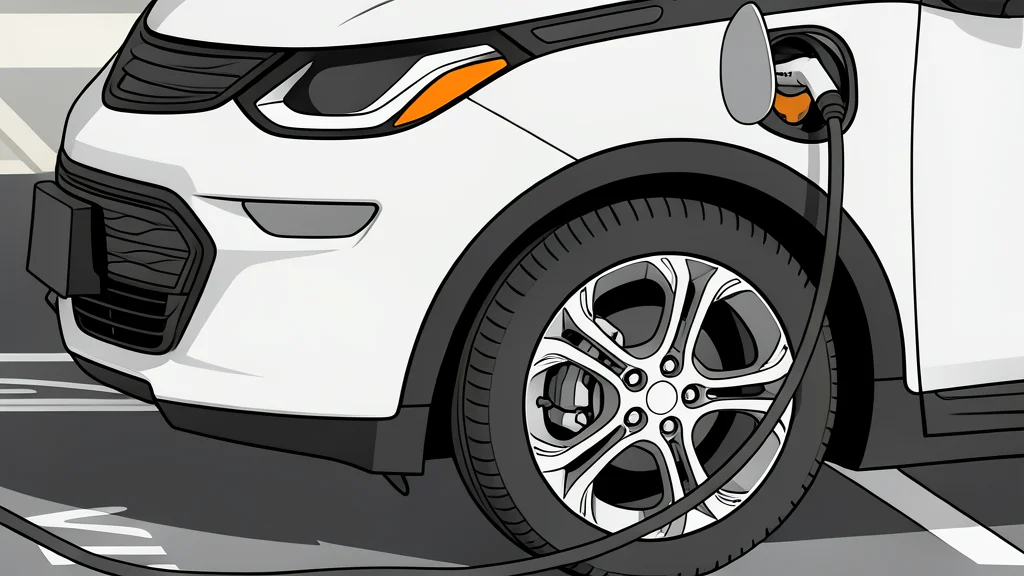
A Sydney driver is torn between a used electric Bolt and a hybrid Corolla, citing the lack of a home charging port. The core issue is not the car itself, but whether relying on workplace plugs is a sustainable long-term strategy for daily commuting.
For drivers in Sydney considering a switch to an electric vehicle, a specific logistical hurdle often dictates the final decision. A recent discussion on Reddit highlighted a commuter who is choosing between a used Chevrolet Bolt and a used Toyota Corolla hybrid. The deciding factor for this driver is not just the purchase price, but the inability to install a home charger due to street parking.
The commuter explicitly asked if relying on public or workplace charging would become an annoyance over time. This query reflects a broader tension in the market: while electric vehicles offer lower running costs, they require a consistent charging infrastructure that not every driver has access to. The alternative, a hybrid, offers the flexibility of a fuel tank, removing the dependency on external power sources for daily range.
Workplace charging reduces daily stress
Responses from the community suggest that the viability of an electric car without home charging hinges largely on access to a reliable workplace plug. Many users reported that having a dedicated charging spot at their job made the ownership experience manageable and even preferable to owning a hybrid. This setup effectively turns the workday into a charging window, eliminating the need for frequent stops at public stations.
According to GN auto tech/ev, this arrangement can significantly alter the financial equation. When charging at work is free or subsidized, the total cost of ownership for the electric vehicle often drops below that of a comparable hybrid. Even when the workplace charging is paid, several commenters noted that the per-kilometer cost remained lower than purchasing petrol, provided the electricity rates were comparable to residential tariffs.
Range anxiety remains a key concern
However, the trade-off for those without a guaranteed workplace plug is the psychological burden of range anxiety. Commenters who had tried this lifestyle without a reliable backup described the uncertainty of finding an available charger as a significant source of stress. This is particularly acute during long weekends or overtime shifts, where the inability to charge at home leaves drivers dependent on public infrastructure that may be fully occupied.
This uncertainty is the primary argument for choosing a hybrid in such scenarios. While an electric vehicle offers quieter driving and zero tailpipe emissions, the hybrid provides a safety net. If the charging routine is inconsistent or if the driver’s schedule is unpredictable, the hybrid’s ability to run on fuel reduces the risk of being stranded or forced into inefficient public charging searches.
Routine dictates the final choice
Ultimately, the decision comes down to the specific details of the driver's daily routine. Factors such as the distance to work, the reliability of the job, and the availability of chargers during necessary hours are more critical than the vehicle's badge. A short commute with a stable workplace charging option makes a used electric vehicle a strong financial choice.
For those who lack this consistency, the hybrid remains the more practical option. The consensus is that an electric vehicle is much easier to own when charging fits naturally into the daily flow of life. Without that integration, the convenience of the electric vehicle is often offset by the hassle of managing charge levels and availability.