Tanzania Aims for Local Electric Vehicle Assembly
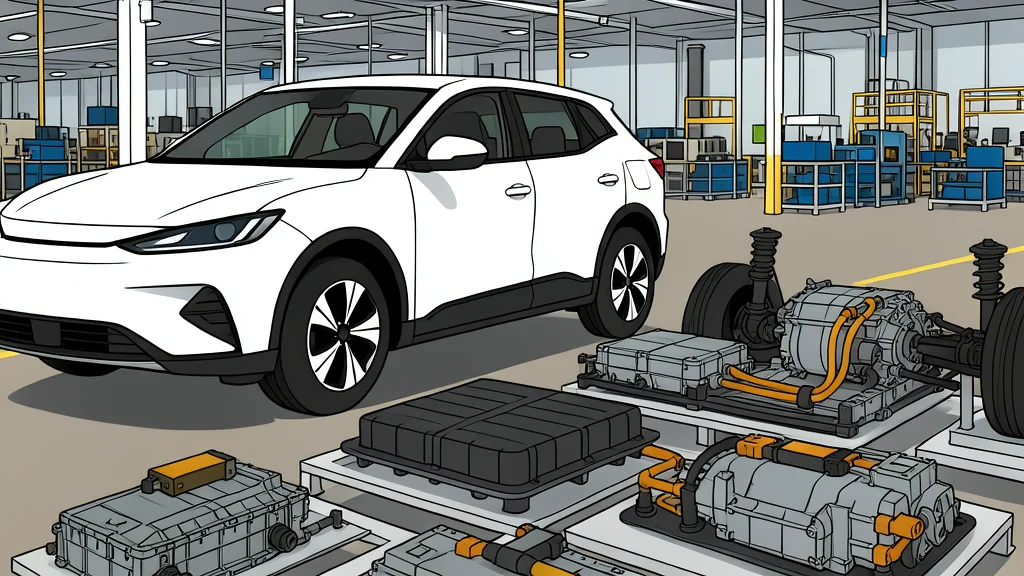
JTP AUTO is moving beyond simple imports to build a local assembly line, signaling a shift in Tanzania's automotive strategy.
Tanzanian startup JTP AUTO is preparing to assemble electric vehicles locally, marking a significant shift from simply importing finished cars to building them within the country. The company is currently exploring partnerships with Chinese manufacturers to access necessary technology and components. This move is designed to create a domestic supply chain rather than relying entirely on external sources.
The initiative represents an early stage of development for Tanzania’s electric vehicle sector. While neighboring East African countries have already established assembly facilities, Tanzania’s market has lagged behind due to economic conditions and smaller population size. This project aims to bridge that gap by fostering local technical expertise and manufacturing capabilities.
Shifting from imports to local assembly
JTP AUTO’s primary goal is to transition the country’s automotive industry from a consumer model to a producer model. By setting up assembly lines, the startup intends to use Chinese technologies and parts while training local staff. This approach is intended to reduce dependency on foreign finished goods and create value within the local economy.
However, the specific Chinese partners involved have not been publicly named. The lack of transparency regarding these key relationships introduces uncertainty about the timeline and scale of the project. Stakeholders are waiting for concrete agreements before assessing the full impact on the market.
Regional market challenges remain significant
Despite the ambitious plans, Tanzania’s electric vehicle market faces structural hurdles. According to reports cited by GN auto tech, economic instability and political conditions have historically slowed growth in this sector. The domestic market size is also smaller compared to other major East African hubs, which limits the immediate commercial viability of large-scale production.
These factors mean that the new assembly lines may face difficulties in achieving competitive pricing. The success of this venture will depend on whether local assembly can offset the higher costs associated with building a new industrial infrastructure in a smaller market.
Building a new supply chain
The long-term benefit of this project lies in the development of a robust supply chain. By assembling vehicles locally, JTP AUTO hopes to create a network of suppliers and service providers. This infrastructure is currently absent, meaning that every component must be sourced and managed through a nascent system.
The trade-off is that this foundational work requires time and capital before it can yield returns. Unlike mature markets where supply chains are established, Tanzania must build these connections from scratch. This initial period of development is the primary hurdle the company must overcome to make local assembly a sustainable business model.