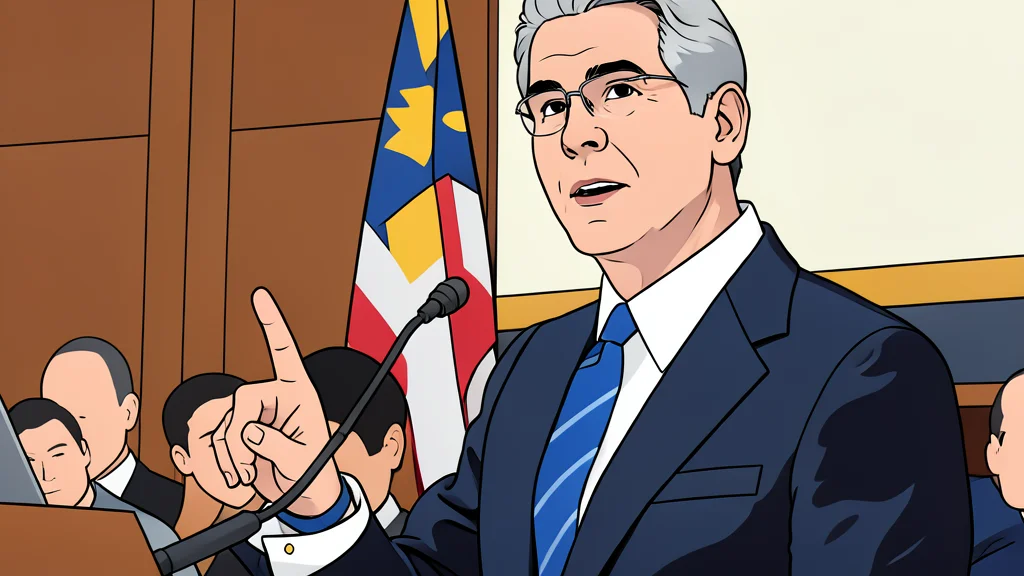
Tesla Roadster Teaser Hints at Unnecessary Cyber Redesign
Tesla’s upcoming Roadster reveal may feature a controversial design shift toward the brand's angular 'Cyber' aesthetic, raising questions about whether the company is prioritizing novelty over delivering the original promise.
Tesla is set to unveil its long-awaited Roadster on October 1, a moment that marks the culmination of an eight-year wait since the car was first shown in 2017. However, a teaser released this weekend suggests that the production model will undergo a significant stylistic overhaul, adopting the angular, stainless-steel design language known as the 'Cyber' treatment. This shift comes as the company aims to finally put the vehicle into production after numerous delays.
The teaser features SpaceX cold gas thrusters firing from the rear, accompanied by promises of radical design changes from CEO Elon Musk. Yet, for many observers, the core issue remains that the Roadster never needed a redesign; it needed to be built. The original 2017 concept was widely praised for its sleek, low-profile aesthetic, a look that has aged well compared to many of Tesla’s subsequent releases.
Design Consistency Replaces Original Elegance
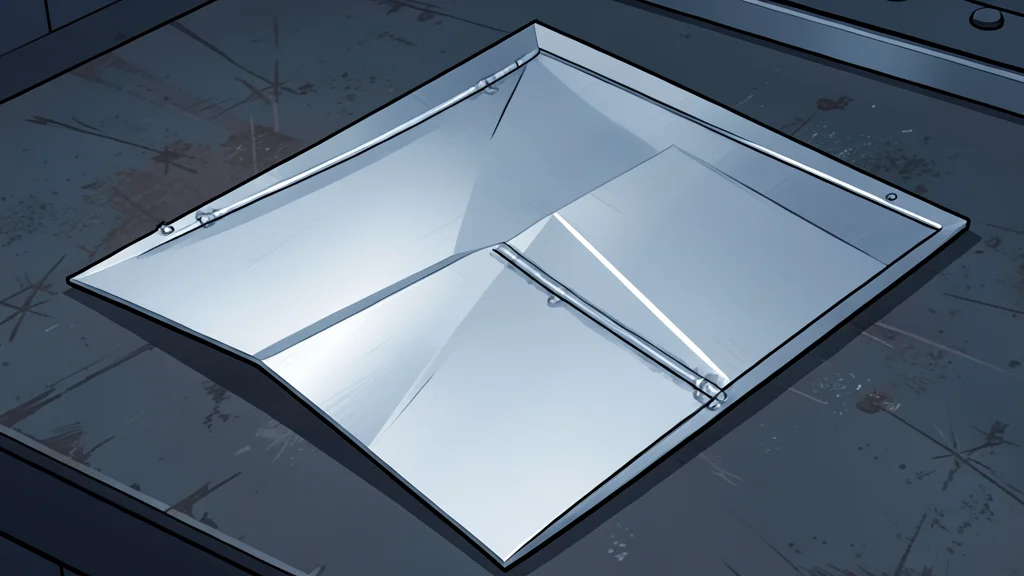
Since the Model 3 and the best-selling Model Y, Tesla has leaned heavily into a specific cyberpunk-inspired visual identity. Models like the Cybertruck, Cybercab, and Robovan all share this angular, low-poly styling. The new Roadster teaser indicates this trend will continue, featuring a full-width light bar and sharp lines that mirror the robotaxi. Critics argue that this approach sacrifices the unique, elegant lines of the 2017 prototype in favor of a brand-wide visual consistency that some find visually aggressive.
Thrusters Offer Limited Practical Utility
A headline feature of the new Roadster is a package of SpaceX cold gas thrusters designed to provide a burst of acceleration. Musk claims the car will achieve 0-60 mph in under one second with these thrusters enabled. However, the practical benefits are minimal for daily driving. The system offers only a handful of firings before requiring a refill, adds significant weight and complexity, and does nothing to improve efficiency or range on public roads.
Furthermore, the promised 'flying car' capability has been scaled back to a brief hover demo. The demonstration vehicle is reportedly not street-legal and will be operated remotely due to the noise hazard posed by the thrusters. For a consumer vehicle, these features add cost and engineering complexity without offering tangible benefits for the average driver, leading some to view them as marketing gimmicks rather than functional advancements.
Reservations Reflect Unmet Consumer Expectations
In 2017, Tesla sold out its Founders Series with a promise of 620 miles of range, sub-two-second acceleration, and a top speed over 250 mph. Thousands of customers placed $50,000 deposits based on these specifications. Since then, the production timeline has slipped at least eight times. High-profile reservation holders, including tech personalities like Marques Brownlee and Sam Altman, have already canceled their orders, citing the repeated delays and shifting goalposts.
Electrek notes that the delays may be strategic, potentially tying the Roadster’s narrative to SpaceX ahead of other corporate moves. However, the core frustration for buyers remains unchanged: they wanted the car that was originally showcased. The push for new, radical features risks alienating the very audience that funded the project, who are looking for a reliable, high-performance electric sports car rather than a showcase for experimental technology.
Prioritizing Delivery Over Novelty
The most effective path for Tesla on October 1 may be to deliver the vehicle that aligns with the original promise. Updating the 2017 design with modern battery technology for improved range and integrating advanced driver-assistance systems would satisfy the core desires of the reservation pool. Adding thrusters or hover capabilities does not address the fundamental demand for a fast, efficient, and beautiful electric supercar.