Tesla Seeks $50,000 Deposits for Roadster Despite 2017 Delays
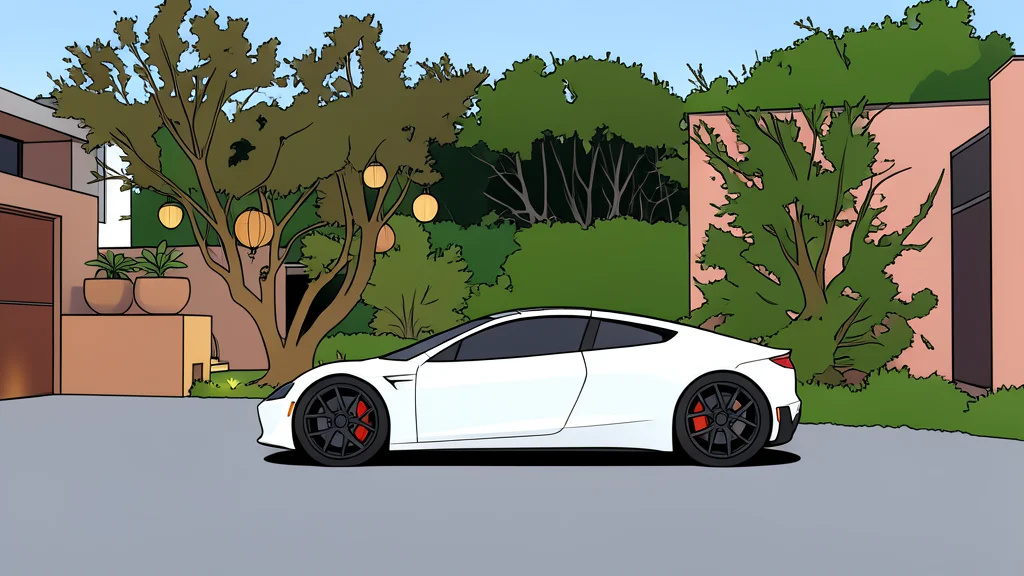
Tesla has reopened reservations for its next-generation electric sports car, asking buyers to pay $50,000 before the vehicle is officially unveiled in October.
Key points
- Tesla requires a $50,000 deposit, split into two payments, to reserve a slot for the next-gen Roadster.
- The vehicle has not been officially unveiled, with the reveal scheduled for an event in October in Waco, Texas.
- Customers who paid deposits for the 2017 model version are still waiting for delivery, highlighting past delays.
Tesla is asking prospective buyers to pay a $50,000 deposit for a high-performance electric sports car that has not yet been officially shown to the public. The company has reopened the reservation list for its next-generation Roadster, asking for an initial $5,000 credit card payment followed by a $45,000 wire transfer within ten days to secure a build slot.
This move arrives with significant historical context. Many customers have been waiting since 2017 for the previous generation of the vehicle, which Tesla promised would be available in 2020 but has not yet delivered. While Tesla describes the new deposit as securing a place in line for the upcoming model, the financial risk for consumers remains substantial given the company's track record with this specific product line.
Speculation drives current expectations
Reports suggest the upcoming Roadster may incorporate cold-gas thrusters developed by SpaceX to achieve extreme acceleration levels. Other rumors point to a design refresh with a "Cyber" aesthetic, aligning with the company's recent styling language. However, no official specifications have been confirmed, leaving buyers to rely on unverified claims and marketing hype rather than concrete technical data.
Original promises for the 2017 model included a 600-mile range, a 0-60 mph time of under two seconds, and a top speed exceeding 250 mph. Nine years later, these figures remain unproven in a production context. The uncertainty is compounded by the fact that Tesla has not launched an all-new model since the Cybertruck, a vehicle that has faced criticism regarding its sales performance and real-world capabilities.
Historical delays create caution
The current reservation process mirrors the strategy used in 2017, where Tesla collected deposits before revealing the final vehicle. At that time, the "Founders Series" was promised for 2020, but those customers have yet to receive their cars. This pattern of collecting funds ahead of product delivery has raised concerns among analysts and consumers about the reliability of Tesla's long-term development timeline.
TechRadar notes that while CEO Elon Musk has described the October reveal as a major event, the underlying risk for depositors remains high. The company’s recent track record with the Cybertruck, including issues with off-road ability and build quality, suggests that early promises may not always translate into final product reality. Buyers are advised to weigh the potential performance gains against the proven history of delays.
Financial stakes for buyers
The $50,000 deposit is a significant financial commitment that goes far beyond a standard pre-order fee. It is designed to secure a build slot for what is expected to be a premium, high-cost vehicle, with previous estimates suggesting a total price tag of over $250,000 for early models. This amount represents a major portion of the car's expected value, placing the burden of development risk directly on the consumer.
Although Tesla labels the initial payment as fully refundable, the wire transfer component creates a longer-term financial exposure. The company’s strategy relies on generating cash flow from future products while delaying immediate production costs. For potential buyers, the trade-off is clear: they gain early access to a potentially groundbreaking vehicle, but they assume the risk of further delays and unmet promises in a market where competition for high-end electric performance is intensifying.