Tesla to Display Self-Driving Cybercab in Major Chinese Cities
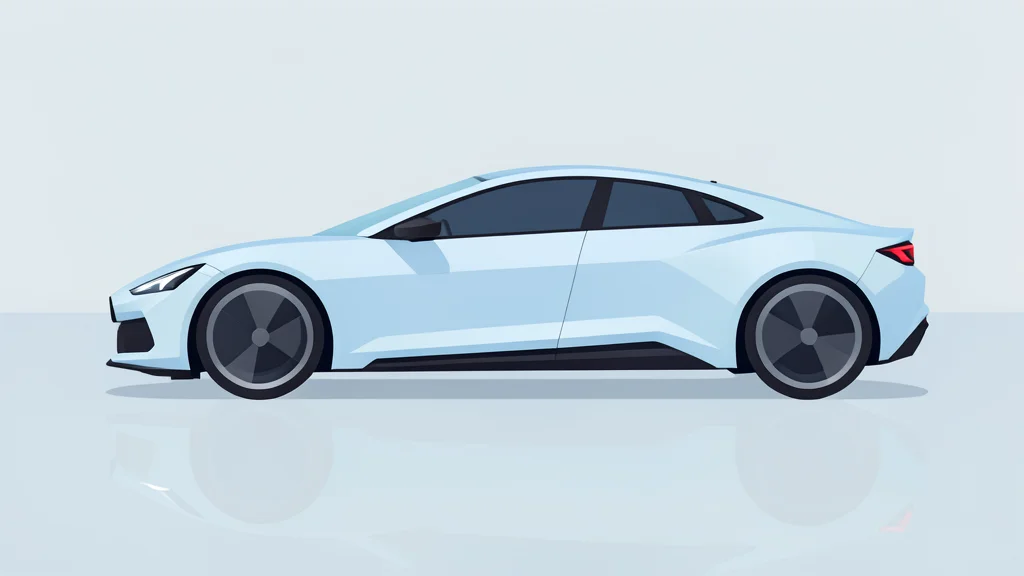
Tesla is preparing to showcase its driverless Cybercab in Beijing and Shanghai, aiming to generate public interest while navigating complex regulatory landscapes.
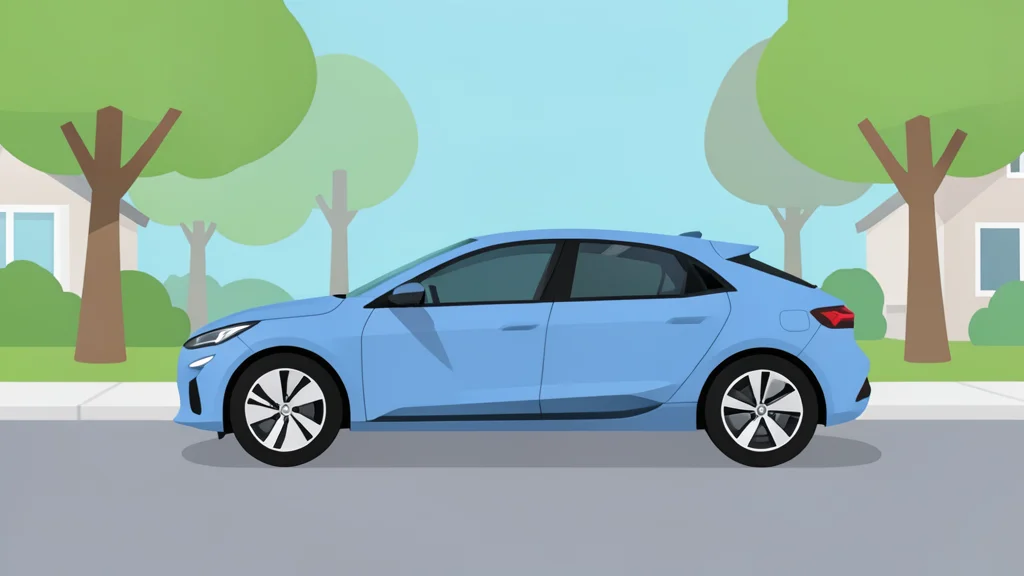
Tesla is set to display its fully autonomous Cybercab in two major Chinese cities starting this week. The vehicle, which lacks a steering wheel and traditional controls, will be on static display in Beijing and Shanghai from September 17 to September 27. This move is intended to allow the public to physically inspect the car’s design and concept before any potential commercial launch.
According to reports from GN auto tech/ev: electric vehicle, the company is using these shows to gauge consumer reaction and build momentum. However, the physical presence of the car does not guarantee immediate sales or service availability in the region. Tesla has explicitly warned that local regulatory approvals and infrastructure requirements will dictate when, or if, the vehicle becomes operational for the public.
Static displays limit real-world testing
The showcase is strictly a visual presentation. Visitors will be able to see the aerodynamic body and interior layout, but they will not be able to drive the car or test its autonomous driving software. This trade-off means that the event serves primarily as a marketing and design reveal rather than a functional demonstration. For tech enthusiasts, this limits the ability to verify the performance claims associated with the vehicle's artificial intelligence systems.
Tesla’s strategy relies on generating excitement through design and brand loyalty. By placing the vehicle in high-traffic commercial areas like the Xinguang Tai Koo Hui in Shanghai, the company aims to maximize visibility. The catch is that without a functional demo, the public must rely on Tesla’s historical track record to trust the safety and reliability of the self-driving technology.
Regulatory hurdles complicate regional rollout
China presents a unique set of challenges for autonomous vehicle deployment. Local laws regarding data privacy, map usage, and road safety standards are stringent and vary by municipality. Tesla has acknowledged that product availability will depend on meeting these specific local requirements. This regulatory friction means that even if the car is ready, the timeline for public access remains uncertain.
The company operates with a vertically integrated model, developing its own hardware and artificial intelligence software. While this approach offers control over the technology stack, it also concentrates regulatory risk. The trade-off for consumers is that they may face delays or limited features in certain regions compared to other markets where regulations are more permissive.
Investor sentiment remains mixed
Market analysts note that while the company demonstrates strong growth potential, the stock valuation has drawn scrutiny. Recent financial metrics suggest that investors are paying a premium for the future of autonomous technology. Insider activity has shown some share sales, reflecting a cautious outlook among those closest to the company’s operations. This divergence between long-term growth stories and short-term valuation concerns creates a complex picture for stakeholders.
The Cybercab represents a significant pivot in Tesla’s product lineup, moving away from traditional driver-centric vehicles toward a ride-hailing model. The stakes are high: success in China could validate the autonomous platform globally, but failure to navigate local regulations could stall adoption in one of the world’s largest automotive markets. The showcase is a step forward, but the road to commercial viability remains dependent on regulatory and technological milestones yet to be met.