Toyota Recalls 8,500 Electric C-HRs over Power Loss Bug
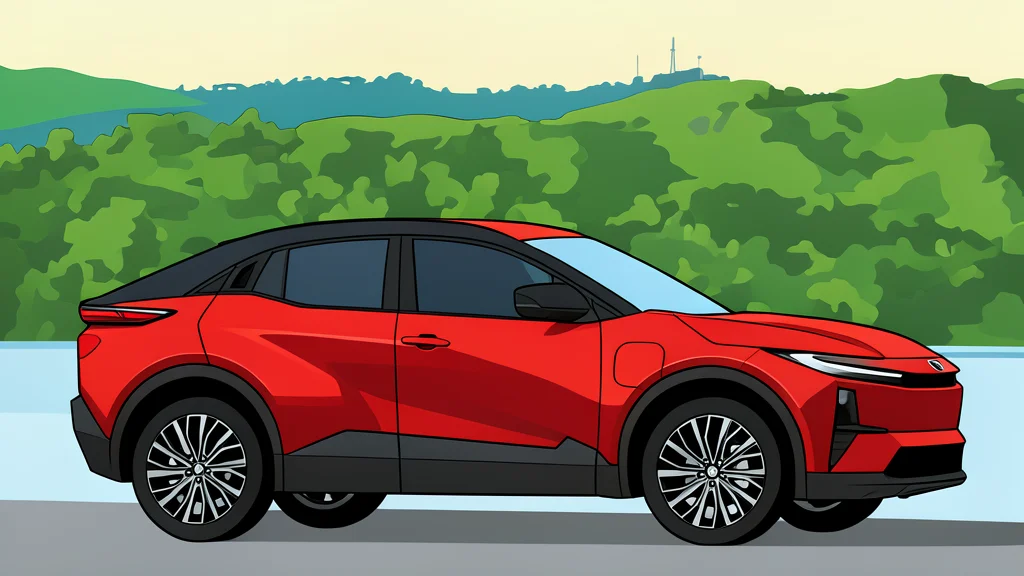
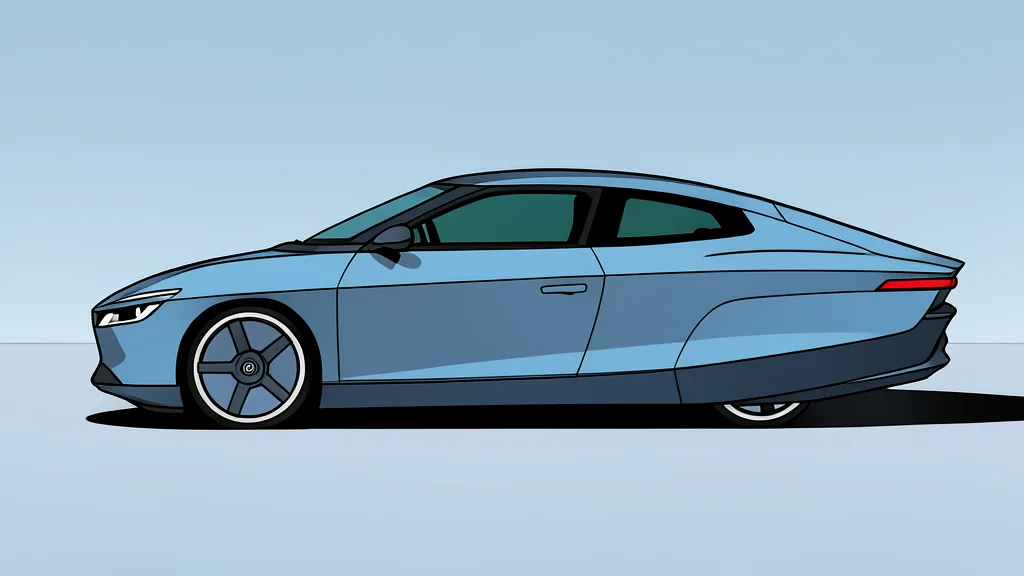
Toyota is recalling over 8,500 electric C-HR vehicles in North America after a software error was found to cause sudden power loss while driving. The issue stems from a glitch in the regenerative braking system that can trigger a shutdown of the electric drive unit when the battery is nearly full.
Regenerative Braking Glitch Causes Shutdown
According to reporting by GN auto tech/ev, the defect affects specific 2026 model year C-HR EVs sold in North America. The problem occurs when the vehicle’s regenerative braking system attempts to charge the battery while it is already at or near full capacity. This overcharging event causes the electric drive system to shut down unexpectedly, resulting in a complete loss of power to the wheels while the vehicle is in motion. Drivers are advised to pull over safely and contact support if they experience sudden power loss during driving.
Fix Arrives Via Software Update
Toyota has confirmed that dealers will resolve the issue with a free software update. Owner notifications are expected to begin in early October. The company encourages affected drivers to check their vehicle identification number or license plate on Toyota’s recall page or contact their Brand Engagement Center for details. While this recall is routine for software-heavy modern vehicles, it highlights the ongoing challenges automakers face as they refine electric vehicle platforms that rely heavily on digital controls rather than mechanical parts.
Recall May Extend To Other Regions
Although the initial notice covers North America, similar models sold in Europe, the U.K., and other regions may also be affected. Toyota sells a closely related variant known as the C-HR+ in those markets. As electric vehicles become more common, software-related recalls are becoming a standard part of the industry’s safety process. Despite these technical hiccups, many drivers continue to choose electric cars for their lower fuel costs and reduced maintenance needs compared to traditional gasoline-powered vehicles. The trade-off remains the need for greater reliance on software stability, which manufacturers are still actively improving.