Gas Spikes Fail to Boost US Electric Vehicle Sales
Despite rising fuel costs, US EV market share has slipped below last year's levels. A new industry report suggests the bottleneck is not price, but the convenience of everyday charging.
Gasoline prices in the United States have climbed to levels that historically drive consumers toward alternative fuels. Yet, electric vehicle sales have not responded with the expected surge. According to data cited by GN auto tech/ev: electric vehicle, the EV market share for 2026 stands at 5.37%, a figure roughly three percent lower than the full-year average seen in 2025. This stagnation persists even as the cost of filling a gas tank becomes a more painful expense for many drivers.
The disconnect between high gas prices and low EV adoption highlights a shift in what buyers prioritize. A joint report by HERE Technologies and SBD Automotive indicates that the barrier is no longer just the upfront cost of the car, but the daily friction of ownership. While interest in electric vehicles is growing, the actual purchase decision is being held back by concerns about the reliability and convenience of the public charging network.
Charging convenience outweighs fuel savings
The industry report found that consumers are increasingly receptive to EVs, but only if the infrastructure supports their daily routines. Positive perceptions of public charging availability have improved significantly, rising from 28% last year to 47% this year. However, this figure remains below the halfway mark, indicating that nearly half of potential buyers still feel uncertain about finding a charger when they need one. This lack of confidence is a key trade-off that currently outweighs the long-term savings on electricity and maintenance.
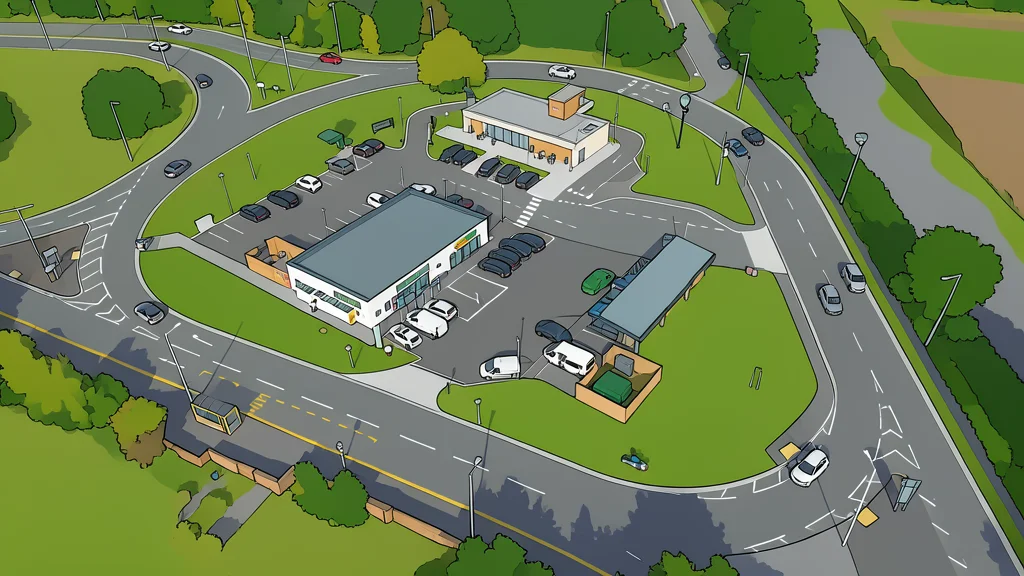
To make EVs a mainstream choice, charging needs to be as seamless as stopping for coffee. The report suggests that adding chargers to routine destinations like convenience stores, travel centers, and fast-food restaurants would reduce anxiety. When charging is integrated into existing errands and road trips, it stops feeling like a separate, time-consuming task and becomes an ordinary part of travel. This integration is crucial for convincing skeptics that the convenience gap is closing.
Consumer sentiment leads purchasing behavior
While sales figures remain flat, survey data points to a softening of resistance among non-EV drivers. Ten percent fewer Americans intend to buy a gas vehicle for their next purchase compared to last year. Additionally, 12% now see no barriers at all to adopting an electric vehicle, up from 6% in the previous survey. This shift suggests that while the market is not exploding, the foundational attitudes toward electric cars are becoming more positive.
Practicality is emerging as a stronger motivator than environmental concern. Drivers are increasingly viewing EVs as a sensible financial decision due to lower fueling costs and reduced maintenance requirements, such as skipping oil changes. For many, the experience of ownership has exceeded expectations, with nearly three-quarters of current owners reporting that charging and range performance were better than they anticipated. This positive feedback loop is slowly building the trust necessary for broader adoption.
Infrastructure growth supports future adoption
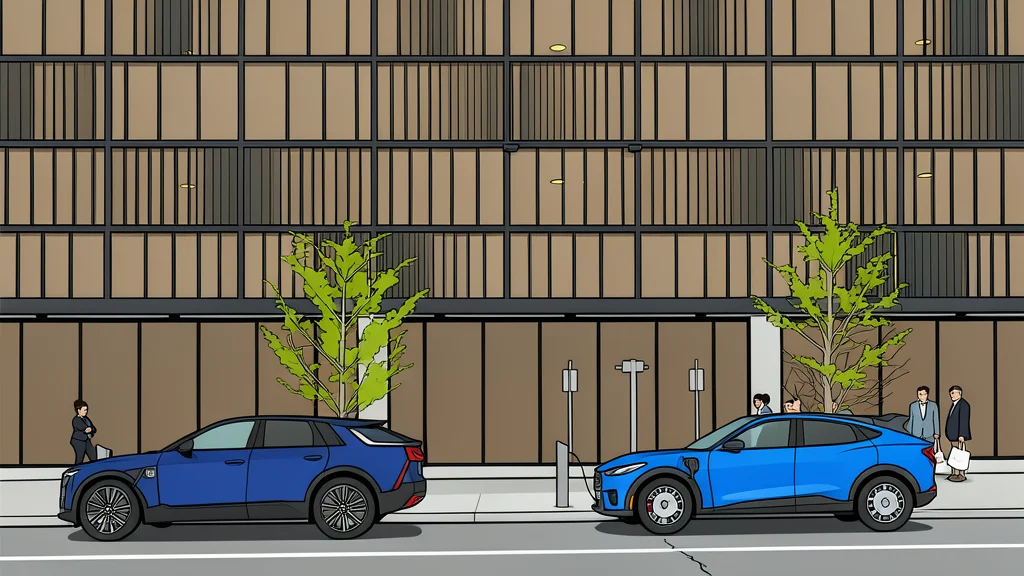
The physical expansion of the charging network is outpacing the growth in sales, which may be a sign of future demand rather than present success. The US added over 31,000 public charging facilities since the previous index was released, and the available charging power has increased by 47%. This rapid buildout is particularly important for drivers in multifamily housing who do not have access to home charging. As the network becomes denser and more reliable, it addresses the primary concern that has kept many potential buyers on the sidelines.