Toyota's 2026 C-HR Balances Speed Against Limited Range
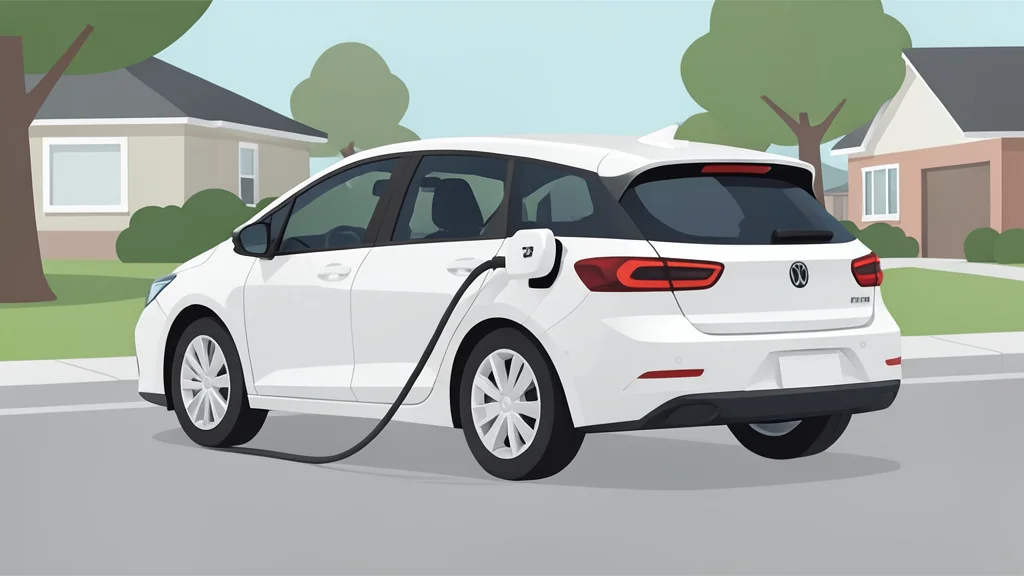
The new electric C-HR offers rapid acceleration and a lower entry price, but its short driving range and charging constraints remain significant hurdles for daily use.
The 2026 Toyota C-HR XSE AWD positions itself as an accessible entry point into electric vehicle ownership, particularly as federal tax credits have expired and state-level incentives are just emerging. While the car boasts impressive performance and a competitive base price, its practicality is constrained by a limited driving range and the ongoing challenges of home charging infrastructure. For many buyers, the appeal of lower upfront costs may be offset by the daily inconvenience of managing battery levels and finding reliable charging spots.
The vehicle delivers a significant performance boost over its gasoline predecessor, powered by dual electric motors that produce 338 horsepower. This allows the car to accelerate from 0 to 60 mph in just 4.2 seconds, offering a driving experience that feels far more dynamic than the 144-horsepower engine it replaces. However, this power comes with a trade-off: sustained high-speed driving rapidly depletes the battery, forcing drivers to rely on public charging networks that are not yet universally dependable across the country.
Trim choices impact driving range
Selecting the higher-end XSE trim level introduces specific compromises that affect efficiency. The model features 20-inch wheels with durable tires that enhance road feel but reduce the total driving range by approximately 50 miles compared to the base model. This decrease is significant for a car that already starts with a modest theoretical range of 261 miles. Buyers must weigh the aesthetic and handling benefits of the larger wheels against the practical need for more frequent charging stops.
Interior storage and practicality limits
Inside the cabin, the C-HR prioritizes a minimalist design over extensive storage options. The vehicle lacks a traditional glovebox, offering instead a small armrest compartment for loose items and a hidden space for documents. Accessing the DC fast-charging equipment requires disassembling parts of the trunk, which adds a layer of complexity to the charging process. While the light-colored interior materials look modern, they are less durable than the premium finishes found in the Lexus RZ, which shares the same platform but commands a significantly higher price tag.
Market context and charging reality
The success of this model depends heavily on how well drivers can adapt to the current charging landscape. With gasoline prices rising and federal rebates gone, state programs like California’s upcoming reimbursement initiative may help offset the cost. However, the lack of a robust statewide recharging network and the difficulties apartment dwellers face in installing home chargers remain critical barriers. As reported by GN auto tech/ev, the gap between the car's potential and its daily usability hinges on these external infrastructure factors rather than just the vehicle's internal specs.