UK Car Exports Face Electric Shift in Key Markets
A new analysis suggests that the majority of vehicles exported from the UK are heading to regions where electric car adoption is accelerating rapidly, forcing a re-evaluation of the domestic industry's strategy.
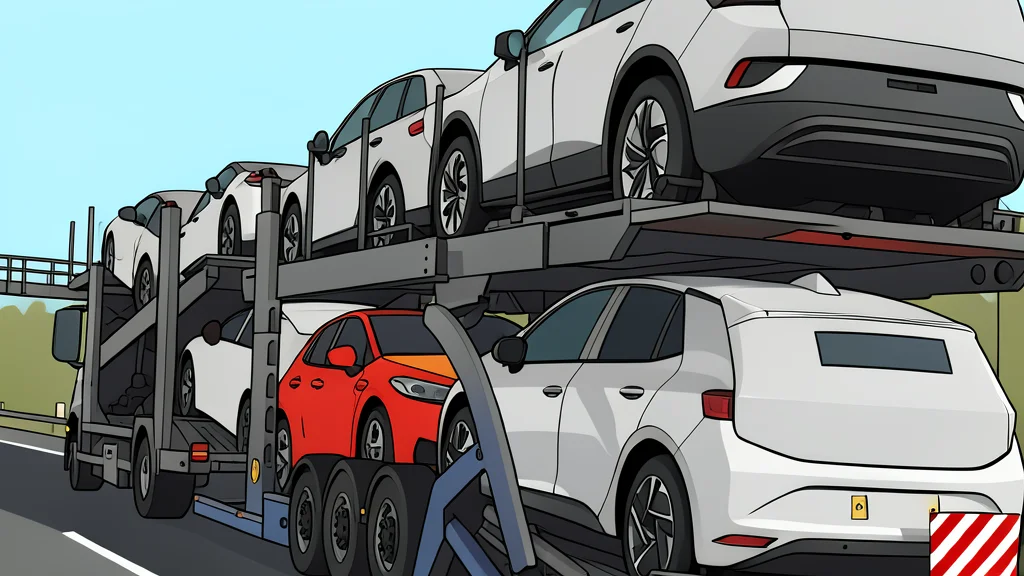
Three-quarters of cars manufactured in the United Kingdom are sold abroad, and a significant portion of those exports are destined for markets that are rapidly abandoning internal combustion engines. According to new data analyzed by the Energy and Climate Intelligence Unit, 70% of UK car exports in 2025 went to countries experiencing strong growth in new electric vehicle sales. This trend is largely driven by global shifts in consumer preference and energy costs, rather than just local policy changes.
The primary driver behind this surge appears to be economic volatility in the energy sector. Rising oil prices, exacerbated by geopolitical tensions involving Iran, have made electric vehicles a more attractive option for drivers in key export regions. This shift creates a distinct challenge for UK manufacturers, many of whom have been slower to pivot toward electric production compared to their international competitors.
European demand drives export volume
The European Union remains the most critical market for British carmakers, absorbing over half of all UK exports. In August, electric vehicle sales in key European markets were 54.2% higher than in the same period last year. Year-to-date figures show a 33.1% increase, with electric cars now capturing over 30% of new sales in many of these countries. France and Germany, two of the largest markets, have seen electric vehicle market shares reach 38.3% and 32.5% respectively.
This growth is not merely a temporary trend but is reinforced by binding regulatory frameworks. EU legislation mandates that electric vehicles must constitute the vast majority of new car sales by 2035. For UK manufacturers, this represents a hard deadline to adapt their production lines and supply chains to meet the technological standards of their largest customer base.
Global markets accelerate electric adoption
Beyond Europe, other major export destinations are seeing similar patterns of acceleration. In China, which accounts for 6.3% of UK car exports, electric vehicle sales have risen sharply, reaching a 44% market share in recent months. Japan, the fifth-largest market for UK exports, has seen electric vehicle sales double in the first half of the year compared to the previous year.
Australia and South Korea also reflect this broader global shift. In Australia, the market share for electric vehicles more than doubled from 7.7% to 17.3% in the first half of the year. South Korea showed a similar trajectory, with sales in the first six months significantly outpacing the previous year. These figures indicate that the demand for electric vehicles is a global phenomenon, not limited to a single region.
Manufacturers face urgent adaptation needs
Dr. Simon Cran-McGreehin, Head of Analysis at the Energy and Climate Intelligence Unit, warns that the future of the UK car industry depends on its ability to respond to this rising demand. He notes that historical precedents show that failing to adapt to global technological changes has led to factory closures and job losses in the British automotive sector. The current lag in electric vehicle production by some UK-based manufacturers poses a significant risk to the industry's long-term viability.
There is ongoing debate regarding government policy, specifically the Zero Emission Vehicle mandate. Some industry voices argue that such rules may disincentivize investment, but analysts point out that these policies focus on sales outcomes rather than manufacturing locations. Given the clear global direction toward electric mobility, new investment in the UK is increasingly likely to be directed toward electric vehicle production. The catch is that manufacturers must transition quickly enough to remain competitive in markets that are already moving forward.