Volkswagen Previews Highly Efficient Electric Car Concept
A new Volkswagen concept achieves record-breaking efficiency using standard production parts, raising questions about future market availability and pricing.
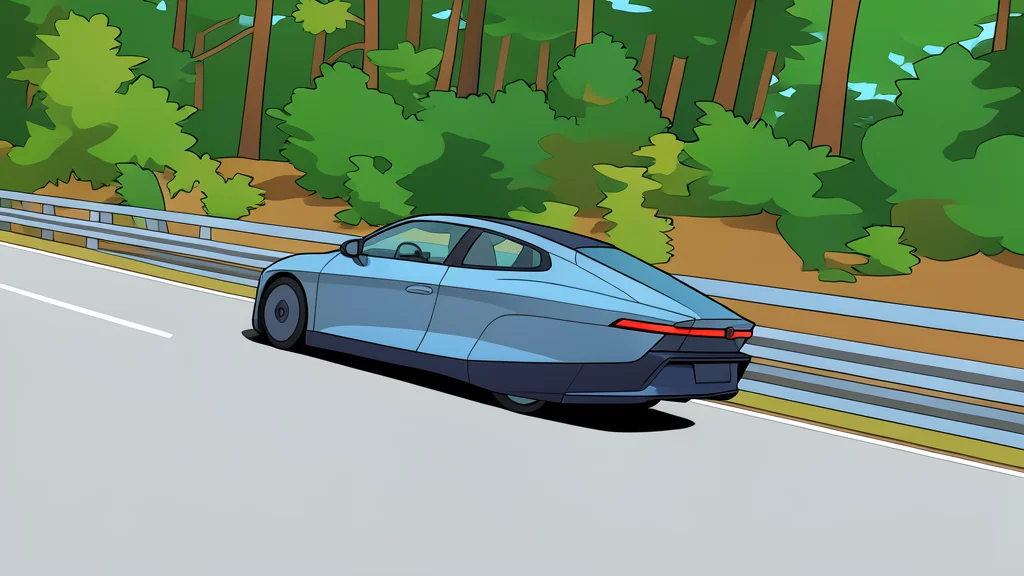
Volkswagen has unveiled the Mission Efficiency, a near-production electric vehicle designed to maximize range through aerodynamics rather than advanced battery technology. The car achieves an energy consumption of 6.89 kWh per 100 kilometers, a figure that is significantly lower than most current electric vehicles on the market. This performance is driven primarily by its sleek body shape, which reduces air resistance to a drag coefficient of 0.158.
The efficiency gains do not come from proprietary or experimental components. Instead, the vehicle uses the same front-wheel-drive MEB+ platform found in the affordable ID. Polo and ID. Cross models. According to reports from GN auto tech/ev, this approach demonstrates that significant efficiency improvements are possible using existing, mass-market hardware. The car’s design is inspired by the earlier Volkswagen XL1, a plug-in hybrid known for its extreme fuel economy.
Efficiency comes from shape, not tech
The primary reason for the low energy usage is the vehicle's aerodynamic profile. A typical electric car like the ID. Polo consumes around 14 kWh per 100 kilometers under similar conditions. By contrast, the Mission Efficiency uses the same amount of energy to travel at 140 km/h that an ID. Polo uses at 100 km/h. This suggests that reducing drag is a more effective way to improve range than increasing battery size, which would add weight and cost.
Volkswagen tested the concept on a 1,278-kilometer journey across Europe. The average consumption during this trip was 7.51 kWh per 100 kilometers, including charging losses. When those losses are excluded, the figure drops to 6.89 kWh per 100 kilometers. These results set new benchmarks for efficiency in electric vehicles that rely on standard production components.
Limited availability could return
There is no confirmation yet that the Mission Efficiency will be sold to the public. Volkswagen describes the vehicle as being in 'near-production' form, but this does not guarantee a launch. The company’s previous ultra-efficient vehicle, the XL1, was only produced in limited numbers. Just 250 units were made, and the retail price was well over $100,000, making it inaccessible to most buyers.
The catch with the Mission Efficiency is similar. If Volkswagen follows the same strategy, the car may remain a niche product for enthusiasts or corporate fleets rather than a mainstream option. The company claims the technology is for the masses, but the execution may limit its availability. Potential buyers should wait for official announcements before expecting a wide release.
Standard parts drive performance
Volkswagen CEO Thomas Schäfer emphasized that the vehicle uses affordable production technology. The goal is to show that significant efficiency gains are possible without expensive, specialized parts. This approach could influence future models, as manufacturers look for ways to reduce energy consumption without increasing the cost of batteries or motors.
The trade-off is that the design is highly specific to aerodynamics. The rounded, sleek body shape may not appeal to all consumers, and the focus on efficiency might limit other features like interior space or cargo capacity. However, the potential for longer range on existing battery sizes is a significant benefit for drivers who want to reduce charging frequency.