Volkswagen's Teardrop Prototype Redefines Electric Range
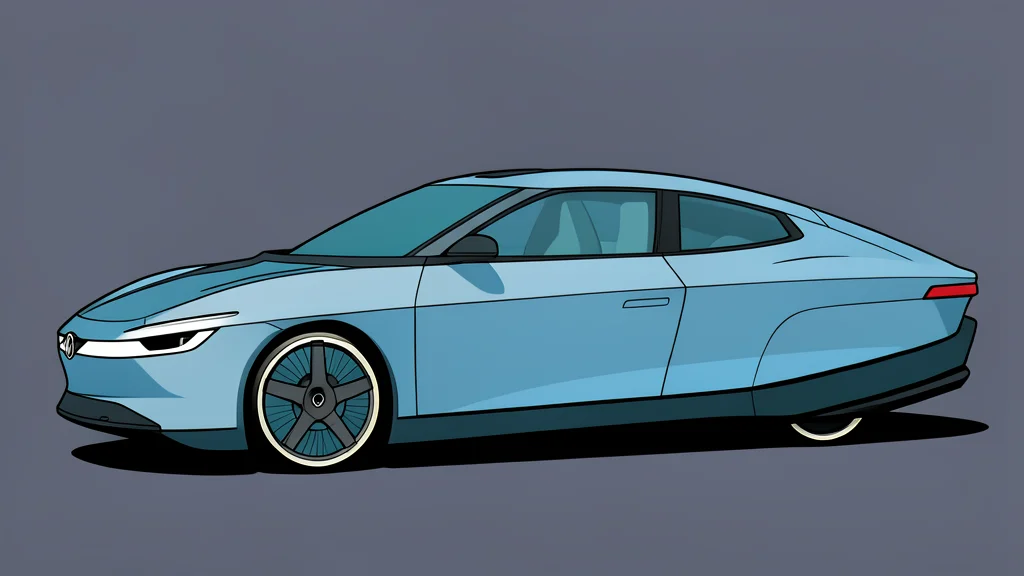
Volkswagen has unveiled a sleek, low-drag prototype that achieves exceptional efficiency using standard components, proving that shape matters more than exotic hardware.
Volkswagen has unveiled a near-production electric vehicle prototype that achieves record-breaking efficiency through aerodynamics rather than advanced battery technology. The Mission Efficiency model, described by GN auto tech/ev: electric vehicle as the world's slipperiest road-approved vehicle, features a drag coefficient of just 0.158. This allows it to travel vast distances on a single charge, demonstrating a new approach to reducing energy consumption in electric vehicles.
The prototype is built on the MEB+ platform and shares its motor and battery with the upcoming ID. Polo. By focusing on design rather than component upgrades, Volkswagen demonstrates that significant efficiency gains are possible with existing technology. The goal is to reduce the need for frequent charging stops, making long-distance travel more practical for everyday drivers.
Aerodynamics drive the efficiency gains
The vehicle’s teardrop shape, covered wheels, and flush door handles minimize air resistance. In testing, the Mission Efficiency consumed only 6.48 kWh per 100 kilometers at a constant speed. This performance is significantly better than standard models, with the prototype using over 30 percent less energy than an ID. Polo at speeds above 80 km/h. The design effectively turns the car into a streamlined object that slides through air with minimal disturbance.
A real-world test from Wolfsburg to Vienna covered 1,278 kilometers on a single charge. The car arrived with 164 kilometers of range remaining, using 6.89 kWh per 100 kilometers. This practical demonstration shows that the theoretical efficiency translates into real-world benefits, such as fewer charging stops and greater flexibility in travel planning for users.
Trade-offs for maximum performance
The focus on efficiency comes with significant compromises. The interior lacks a central touchscreen, relying instead on a smartphone dock and a portable Bluetooth speaker for infotainment. To further reduce weight, the vehicle uses lightweight paneling and minimal electronic features. While these choices boost range, they result in a sparse user experience that may not appeal to all consumers.
The design prioritizes function over form, meaning the vehicle is unlikely to win design awards or attract style-conscious buyers. The covered wheels and seamless underbody are purely functional elements aimed at reducing drag. For many drivers, the lack of traditional luxury features and the unconventional shape represent a difficult trade-off for the efficiency benefits.
Industry implications for future EVs
Volkswagen’s prototype highlights a broader industry trend where manufacturers are prioritizing aerodynamics to improve range. Companies like Ford, Mercedes, and Audi are also exploring design changes to reduce drag. The Mission Efficiency proves that substantial efficiency improvements are possible without relying on exotic, high-cost components, setting a new benchmark for what standard electric vehicles can achieve.
The challenge now lies in translating these design principles into production models that consumers will accept. While the prototype achieves remarkable efficiency, its extreme shape and minimal interior present hurdles for mass adoption. The industry must balance the desire for lower energy consumption with the need for comfortable, feature-rich, and aesthetically pleasing vehicles.