Xpeng Pivots to High-Margin Tech Licensing
Xpeng is shifting its business model to prioritize software and hardware licensing over vehicle sales, aiming to capture higher profit margins through partnerships with global automakers and suppliers.
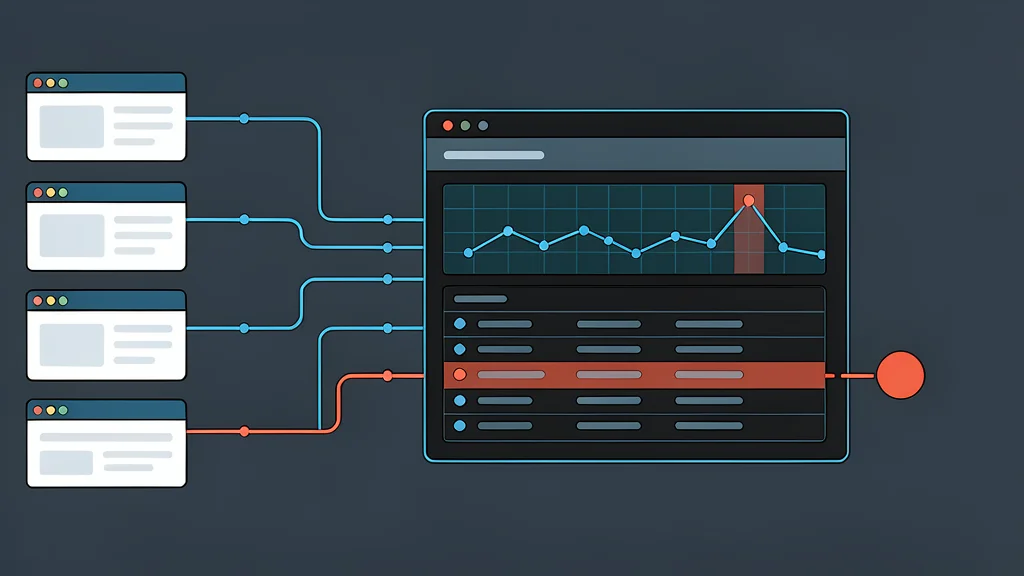
Chinese electric vehicle maker Xpeng is actively seeking new global partners to license its core technology, marking a strategic shift away from relying solely on selling cars. According to reports from Reuters, the company has approached foreign automakers, software developers, and suppliers to offer components such as its electrical architecture, cockpit systems, and advanced driver-assistance software.
This expansion follows the success of its existing collaboration with Volkswagen, which has proven that technology services can be far more profitable than vehicle manufacturing alone. Xpeng is now establishing a dedicated commercial team to manage these deals, aiming to turn its internal engineering capabilities into a distinct revenue stream that serves the broader automotive industry.
Profit margins favor software services
The financial incentive behind this pivot is clear. Xpeng’s vehicle sales margins have tightened, dropping to 12.1 percent in the second quarter from 14.3 percent a year earlier. In contrast, revenue from technology services and other segments has nearly doubled, with margins surging to 75.1 percent. This stark difference suggests that selling the underlying tech stack is now a more lucrative business model for the company than producing the physical cars themselves.
The partnership with Volkswagen serves as the primary proof of concept. Under this agreement, Volkswagen acquired a stake in Xpeng to access its EV platforms and software. The resulting ID.UNYX 08 SUV, which is set to enter mass production in March 2026, will utilize Xpeng’s smart-driving technology and AI chips. This collaboration demonstrates that external customers are willing to pay a premium for integrated hardware and software solutions.
Expanding into robotics and autonomous services
Beyond traditional cars, Xpeng is applying its technology licensing model to emerging fields. The company is exploring opportunities in robotaxis, robotics, and other physical AI applications. It plans to offer licensing and customization services for these areas, potentially including operational support for autonomous taxi fleets. This approach allows Xpeng to monetize its driver-assistance software regardless of whether the vehicle is a consumer car or a commercial service unit.
The strategy also supports Xpeng’s broader hardware diversification, including humanoid robots and flying vehicles. Its IRON humanoid robot is currently on production lines, with mass production expected by the end of the year. By bundling these technologies under a single licensing umbrella, Xpeng aims to create a cohesive ecosystem where its AI and electronic architecture can be deployed across multiple product categories.
Global reach supports commercial growth
Xpeng’s international expansion provides the necessary foundation for this business shift. Since entering the Norwegian market in 2020, the company has sold over 100,000 vehicles globally. This established presence allows it to combine vehicle sales with technology licensing, creating multiple revenue streams in international markets. As noted by GN auto tech/ev, this dual approach helps mitigate risks associated with fluctuating car sales by tapping into the steady demand for automotive software and electronic components.
However, this transition comes with trade-offs. Licensing technology to competitors or partners reduces Xpeng's exclusive control over its innovations and may dilute its brand differentiation. Furthermore, managing complex commercial relationships across different industries requires significant administrative and legal resources. While the profit margins are attractive, the company must balance its role as a vehicle manufacturer with its new identity as a technology supplier, a shift that may strain internal resources and corporate focus.