Debra Wilson's Quiet Takeover of AAA Game Voice Acting
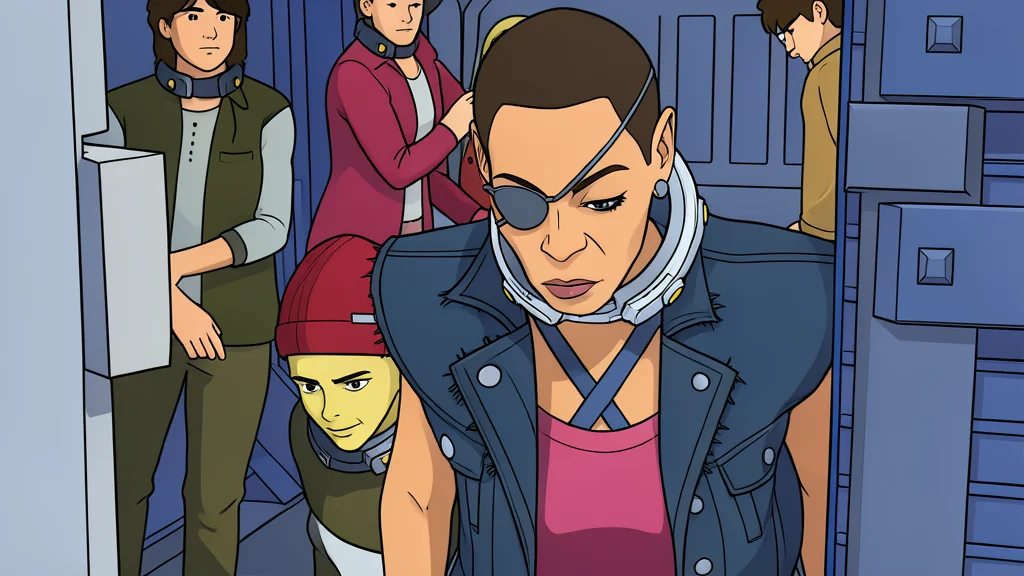
A behind-the-scenes look at the actress whose voice has become a recurring fixture in major video game titles, and what her rise means for the industry's reliance on a small pool of talent.
For many gamers, the voices of iconic characters are tied to a select group of well-known actors. While names like Troy Baker and Jennifer Hale are household names in the industry, another voice has been steadily gaining prominence without quite reaching the same level of public recognition. Debra Wilson has become a frequent presence in major releases, lending her voice to everything from superhero titles to fantasy epics. Her career has shifted from sketch comedy to a staple role in the voice-over sector, a transition that highlights the growing demand for versatile performers in a medium where visual identity is often secondary to auditory presence.
This recurring appearance has started to feel almost like a pattern to players who track credits across different studios. It is not that one actor is dominating the market, but rather that a specific set of talented individuals are being repeatedly cast in high-profile roles. For Wilson, this has resulted in a portfolio that spans a wide variety of character archetypes, from ruthless villains to weary mentors. While this consistency is a testament to her skill, it also raises questions about the homogenization of voices in a medium that thrives on diversity.
Versatility in High-Stakes Narratives
One of the primary reasons for Wilson’s frequent casting is her ability to adapt to vastly different character requirements. In God of War Ragnarök, she portrays Grýla, a giantess who serves as a brief but intense boss encounter. The role demands a delivery that is cold and venomous, requiring the actor to convey deep-seated hatred in a short window of screen time. Similarly, in Star Wars Jedi: Fallen Order, she plays Cere Junda, a Jedi Master carrying the emotional weight of past trauma. Here, the performance requires a more subtle approach, balancing authority with underlying vulnerability. These contrasting roles demonstrate a range that is difficult to replicate, making her a low-risk choice for developers looking for reliable quality.
The challenge for production teams is not finding a voice that can perform these roles, but finding one that can sustain them across multiple projects. Wilson’s performance as Savathûn in Destiny 2: The Witch Queen is another example of this versatility. As the Hive queen, she delivers lines with an eerie elegance that manipulates the player’s perception of the character. The ability to shift from a comedic tone to a terrifying one within the same career allows her to fit into almost any narrative structure. This flexibility is a significant asset for studios that need to fill multiple voice slots with a consistent level of professionalism.
The Trade-Off of Familiar Voices
However, the ubiquity of a single voice actor comes with a distinct trade-off. When a player recognizes a voice from a previous title, it can break the immersion of the current game. This phenomenon, often discussed in gaming communities, can lead to a sense of déjà vu that detracts from the novelty of the experience. For example, hearing the same voice that played a villain in one game become a hero in another can be jarring. While this does not diminish the quality of the performance, it does limit the creative freedom of developers who might want to cast a completely unknown actor to ensure a fresh auditory experience.
Furthermore, the reliance on a small pool of top-tier voice actors can create bottlenecks in the production process. When a popular actor is in high demand, scheduling conflicts can delay projects or force studios to compromise on their casting choices. This is not unique to Wilson, but it is a structural issue in the industry that affects how games are made. The convenience of hiring a proven talent often outweighs the potential benefit of discovering new voices, leading to a cycle where the same names appear more frequently.
Industry Dynamics and Talent Pools
According to reporting from GN auto tech/entertainment, this trend reflects a broader shift in how video games are produced. The industry has moved toward a model where efficiency and reliability are prioritized, especially in AAA titles with massive budgets and tight deadlines. Voice acting, while crucial, is often treated as a line item that needs to be filled with the most reliable option available. This approach ensures a certain baseline of quality but can stifle innovation in character design. Players may find themselves hearing similar vocal tones and delivery styles across different franchises, reducing the distinctiveness of the characters they interact with.
For actors like Wilson, this situation is a double-edged sword. On one hand, it provides steady work and high visibility, allowing them to build a robust career in a competitive field. On the other hand, it can typecast them, making it difficult for them to break free from the roles they are most known for. The industry benefits from their reliability, but it may be missing out on the fresh perspectives that new talent can bring. As the gaming industry continues to grow, the balance between relying on established voices and investing in new ones will be a critical factor in shaping the future of the medium.