Razer Adds Haptic Feedback to Wired Gaming Headsets
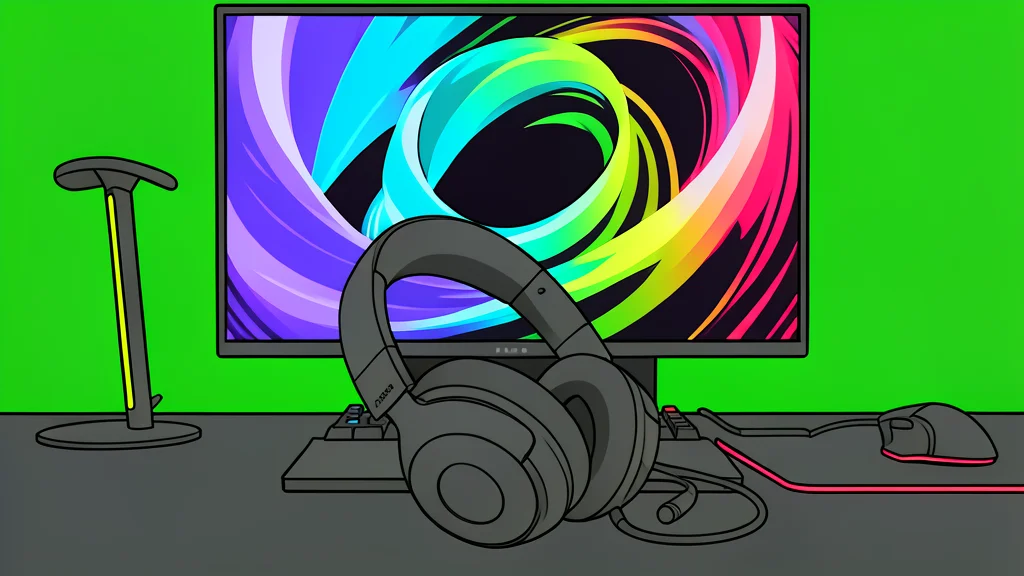
Razer has introduced a new wired headset that translates in-game audio into physical vibrations, aiming to add a tactile dimension to PC gaming for a broader audience.
Razer has launched the Kraken V4 X Sensa HD Haptics Edition, a wired gaming headset designed to introduce physical sensation into the gaming experience. According to the company, the device turns supported gameplay events and in-game audio into layered tactile feedback. This allows players to feel the intensity of explosions or the subtle cues of approaching footsteps, expanding the interaction beyond just sight and sound.
The headset is built for gamers seeking a more physical connection to their games. It combines haptic feedback with wired audio, voice capture, and comfort features in a single package. The product aims to make every session feel more immersive by engaging a new sense, provided the game supports the technology.
Haptic Feedback Mechanism
The core technology is called Sensa HD Haptics. Unlike basic rumble motors, this system responds to the intensity, duration, and position of in-game events. A distant explosion produces a different sensation than a point-blank shot, and footsteps feel distinct from grenades. This precision relies on the game providing specific data points for these effects.
There are two modes of operation. Dynamic Haptics uses effects authored by game developers, mapped directly to key events like weapons and movement. On top of this, players can enable Audio-to-Haptics, which uses profiles tuned by Razer to translate general audio into vibrations. The authored effects take priority, while the audio-based system fills in the gaps when the action deviates from scripted events.
Audio and Microphone Performance
For audio, the headset uses 40 mm TriForce drivers with a three-part design that separately tunes highs, mids, and lows. It supports 7.1 surround sound to provide positional audio cues. The microphone is a HyperClear cardioid model, designed to prioritize vocal clarity while reducing background noise for clearer communication during team play.
Comfort and Design Limitations
The headset features FlowKnit memory foam cushions for breathability and comfort during long sessions. It includes Razer Chroma RGB lighting, offering 16.8 million colors for customization. However, the haptic features are limited to more than 100 supported PC titles. Games not on this list will not provide the developer-authored tactile effects, meaning the core novelty of the device is unavailable in many popular games. Additionally, as a wired headset, it lacks the freedom of wireless connectivity.