StarCraft Abandons Strategy for Grounded Open-World Shooter
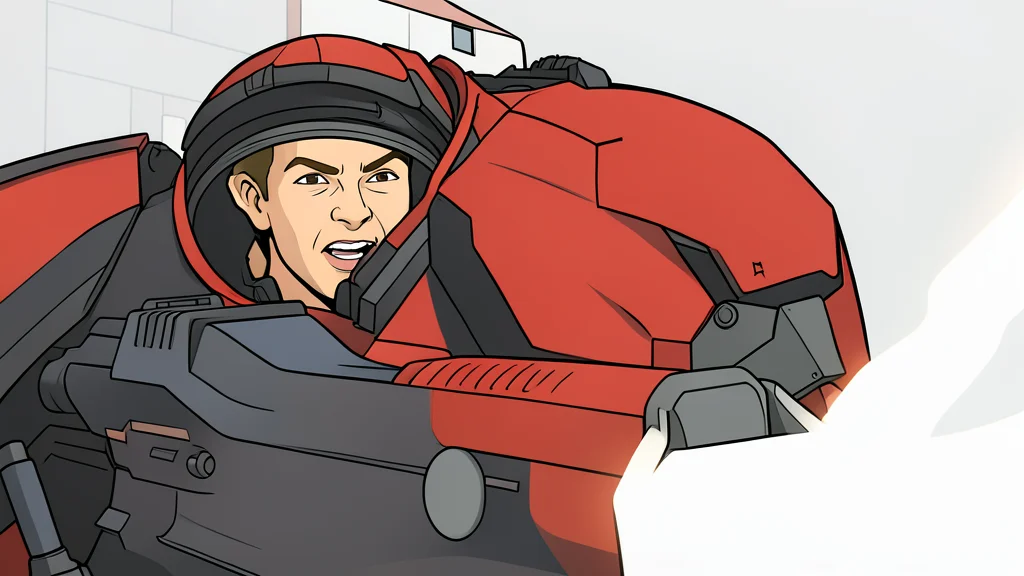
The legendary real-time strategy franchise is pivoting entirely to a first-person perspective, dropping the top-down view for boots-on-the-ground exploration and combat.
Blizzard Entertainment is fundamentally restructuring the StarCraft franchise, moving away from its decades-long identity as a real-time strategy game to become an open-world shooter. This is not a minor update or a new mode; it is a complete departure from the mechanics that defined the series since the late 1990s. Players will no longer observe the battlefield from an overhead vantage point, managing units and resources from a safe distance. Instead, the next entry in the series will place the player directly inside the action, experiencing the narrative and combat from eye level.
According to Dan Hay, the general manager of StarCraft, this shift was not a calculated marketing decision but an organic outcome of the creative process. During early development discussions at BlizzCon 2026, the team repeatedly found themselves describing the game in terms of physical presence rather than abstract strategy. Hay noted that every visual concept and narrative discussion centered on the feeling of being inside the world, leading the team to realize that the traditional top-down perspective no longer served the story they wanted to tell.
Perspective drives the new design
The decision to switch to a first-person shooter format was driven by a desire for tactile engagement. Hay explained that the team began discussing the physicality of the characters, specifically focusing on the armor they would wear. They wanted to explore how that armor could be damaged, ripped apart, or interacted with by enemies. This line of thinking naturally led to a focus on the immediate environment, where players would feel the weight and danger of every encounter. The goal was to create a game where players could feel every inch of the experience, a level of immersion that is difficult to achieve when viewing the action from a bird’s-eye view.
This change also aligns with the narrative direction of the upcoming title. Hay stated that the story simply made more sense with a grounded perspective. By removing the god-like distance of the RTS genre, the developers aim to create a more personal connection between the player and the unfolding events. The shift is less about changing the genre for novelty's sake and more about ensuring the mechanics support the emotional weight of the narrative. It is a move that prioritizes character agency over strategic oversight.
Exploration replaces resource management
One of the most significant trade-offs in this transition is the replacement of resource management with open-world exploration. In traditional StarCraft games, the core loop involves gathering minerals and vespene gas to build armies and bases. The new approach, as reported by GN technics/gaming, emphasizes discovery and curiosity. Players will have the opportunity to see something in the distance and investigate it, potentially uncovering references to earlier games in the series. This design choice shifts the player's motivation from economic efficiency to narrative investigation and environmental storytelling.
However, this shift comes with inherent risks. Open-world shooters require vast amounts of content to fill spaces, and the transition from a tightly balanced competitive strategy game to a narrative-driven exploration experience is a high-stakes gamble. The franchise has a loyal fanbase that may be resistant to the loss of its strategic depth. By abandoning the RTS formula, Blizzard is betting that the appeal of immersive storytelling and first-person combat will outweigh the familiarity of the classic gameplay loop. It is a bold pivot that redefines what StarCraft means to its audience.
A long road to release
The new StarCraft title is currently in development and was teased with a cinematic trailer at BlizzCon 2026. The release is slated for 2030, indicating a long development cycle that allows the team to fully flesh out this new direction. With such a distant launch date, there will be ample time for the community to adjust to the new vision and for the developers to refine the mechanics. The gap between now and release also serves as a buffer, allowing the team to iterate on the core experience without the pressure of an imminent deadline.
For fans of the original series, this announcement represents a significant break from tradition. The game they remember, built on micro-management and base-building, will be replaced by a title focused on personal combat and exploration. While the core characters and lore remain, the way players interact with them will be completely different. This is a clear signal that Blizzard is willing to reinvent its flagship franchise, even if it means leaving the genre that made it famous. The next few years will determine whether this bold experiment succeeds or if the audience demands a return to the roots of the strategy genre.