Yukon's Grid Rates Hinder Electric Vehicle Tourism Growth

A single malfunctioning charger in the Yukon can add hours to a trip, but the root cause is a billing structure that makes installing new stations economically unviable for local businesses.
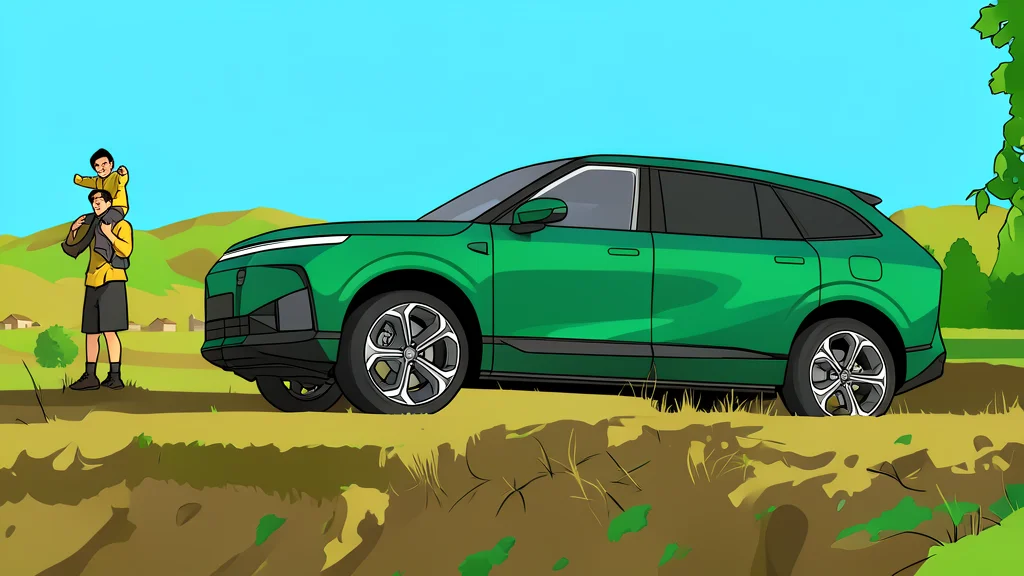
For electric vehicle drivers heading north, the journey from Vancouver to Whitehorse starts smoothly but ends in frustration. While the charging network in British Columbia offers reliable, well-spaced stations, the infrastructure in the Yukon presents a stark contrast. A recent report highlights that the lack of adequate fast charging is not just an inconvenience for tourists but a missed economic opportunity for the region.
The core issue lies in how electricity is billed to businesses. Current rate structures are designed for steady commercial usage, such as hotels or warehouses, rather than the intermittent, high-power demands of public charging stations. This mismatch discourages private operators, municipalities, and First Nations from installing the very infrastructure needed to make remote EV travel feasible.
Highway gaps expose range anxiety
The gap between Dease Lake in British Columbia and Teslin in the Yukon is 480 kilometers, a distance that exceeds the range of many electric vehicles without a stop. There is currently no fast charger along this stretch, leaving drivers with no buffer. When they finally reach Teslin, they often encounter equipment that struggles to meet demand.
One driver reported a charger that was listed as operational but delivered power at a fraction of its rated capacity. The output dropped from 40 kilowatts to just seven kilowatts, leaving a queue of vehicles waiting. For these drivers, the wait added six to eight hours to their trip, with only 178 kilometers left to reach Whitehorse. This instability turns a potential tourist attraction into a logistical nightmare.
Billing peaks create financial barriers
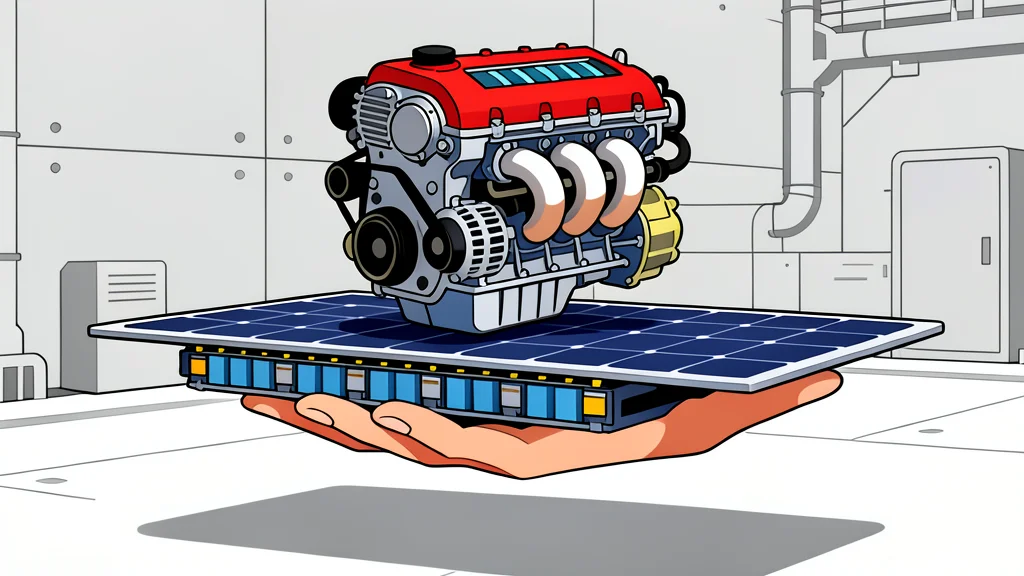
The financial barrier stems from demand charges, which are based on the highest rate at which power is drawn during a billing period. For a 150-kilowatt charger, a single vehicle using the full capacity can set a billing demand that costs over $1,100 per month, even if that peak usage happens only once. This fixed cost must be covered by the revenue from charging sessions, which can be sparse in remote areas.
Compounding this is a rule that ties future bills to the highest winter demand recorded in the previous 12 months. If a charger experiences a busy day during the cold season, the operator pays for that peak capacity for months afterward. This model works for buildings with constant electricity use, but it penalizes businesses that rely on sporadic traffic, such as highway charging stations.
Summer tourism aligns with surplus power
There is a missed synergy in the current system. Yukon's electricity grid is most constrained during winter peaks, while EV tourism is concentrated in summer. During the summer months, hydroelectric generation is plentiful, and demand is lower. This means visiting EV drivers are arriving when the grid has excess capacity.
As noted in GN auto tech/ev reports, these visitors could turn surplus electricity into new revenue for the utility. Instead, the current rate structure acts as a deterrent. It makes it financially risky for lodges or local businesses to install chargers that would serve seasonal tourists, effectively locking the region out of a growing market for electric travel.