China's Battery Recyclers Hit Full Capacity as Demand Surges
Industrial facilities in Jiangsu are operating at maximum efficiency, recovering critical metals from spent electric vehicle batteries to support the growing global demand for clean energy storage.
A quiet but critical segment of the electric vehicle industry is currently operating at full tilt. In Yancheng, Jiangsu, large-scale facilities are dismantling used EV batteries to extract valuable metals like lithium, nickel, and cobalt. This process is becoming a cornerstone of the global effort to manage the rising volume of retired battery packs.
According to reports from GN auto tech/ev, the efficiency of these operations has improved significantly. Operators note that capacity utilization has jumped by 20% since the start of the year. This surge in activity reflects a broader shift toward circular economy models in the automotive sector, where recovering materials is becoming as important as mining new ones.
Refining process yields high purity metals
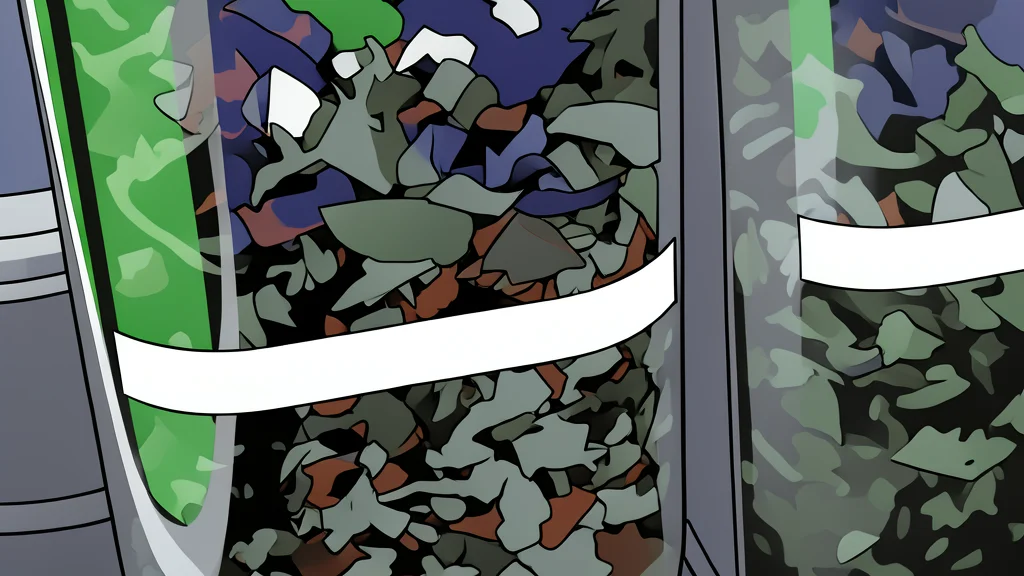
The technical workflow involves separating copper and aluminum before processing the remaining battery powder through hydrometallurgical lines. This deep purification stage is designed to isolate specific elements for reuse. The results are striking, with recovery rates for nickel and cobalt exceeding 99%. Such high precision ensures that the extracted materials meet the stringent quality standards required for new battery manufacturing.
This level of efficiency addresses a common concern regarding the economic viability of recycling. By achieving near-total recovery of high-value components, the process becomes not just an environmental necessity but a competitive industrial operation. It reduces the reliance on volatile raw material markets and provides a more stable input stream for manufacturers.
Scaling capacity to meet global waste growth
Operators in the region are aggressively expanding their infrastructure to handle increasing volumes. One major facility plans to triple its annual production capacity in the coming years. This expansion is a direct response to projections indicating that global waste from EV batteries will reach 655,000 tons this year, potentially exceeding two million tons by 2030.
The trade-off for this rapid scaling is significant capital investment and the need for consistent feedstock. However, the long-term benefit is a more resilient supply chain. By turning waste into a resource, the industry aims to lower the overall cost of battery production and reduce the environmental footprint associated with primary mining.
Recycling supports sustainable supply chains
The momentum in Yancheng is part of a wider international trend. Major manufacturers and scientists are investing in cheaper and more efficient methods for recovering lithium-ion materials. This collective effort aims to mitigate the risks of improper disposal and pollution while securing the materials needed for grid storage and other technologies.
While the industry faces challenges in standardizing processes and managing logistics, the direction is clear. Battery recycling is evolving from a niche waste management service into a vital pillar of the electric vehicle ecosystem. For consumers and investors, this shift suggests that the future of EVs will be supported by a more closed-loop system of material use.