Which Gaming Consoles Actually Justify Their Price Tag
A new review breaks down which current-generation hardware offers the best value, highlighting the trade-offs between performance, size, and cost for modern gamers.
The market for home gaming hardware has become crowded, with several manufacturers releasing powerful machines that look similar but function very differently. For consumers deciding where to invest their money, the differences often lie in specific features like disc drives, storage capacity, and display compatibility rather than just raw power.
According to a recent evaluation by GN technics/gaming (en-US), not every high-end console is worth the premium price. The review highlights specific models that stand out for their reliability and feature sets, while also pointing out the physical and financial compromises that come with owning them.
Microsoft leads with physical media support
The Xbox Series X is cited as the top choice for Microsoft fans, primarily because it combines high-performance gaming with the ability to play physical discs. This model offers one terabyte of internal storage and supports 4K resolution at up to 120 frames per second. For users who prefer owning game copies rather than downloading them, this hardware serves as both a gaming station and a high-definition Blu-ray player.
The main drawback is its size. Weighing nearly ten pounds, the device is significantly bulkier than its digital-only counterpart, the Series S. It takes up more space in a living room and is heavier to move. However, the durability of the controllers and the convenience of the 'Quick Resume' feature, which allows users to jump back into multiple saved games instantly, are seen as justifying the larger footprint.
Sony offers strong exclusive library access
The PlayStation 5 Disc Edition is recommended for those who prioritize exclusive titles. It provides similar high-end performance, including 4K gaming and 120 FPS support, but relies heavily on having a compatible television to unlock its full visual potential. The review notes that the transition between streaming apps and gaming is seamless, making it a versatile media hub.
However, the design of the PS5 is described as awkward for fitting into standard media centers due to its unique shape. Additionally, the disc version costs more than the digital edition. Users must weigh the benefit of owning physical copies against the higher price tag and the specific spatial requirements of the console's design.
Hybrid and portable options fill the gap
For gamers who need flexibility, the Nintendo Switch 2 is highlighted as the best hybrid option. It bridges the gap between home console performance and portable play, allowing users to switch between a docked and handheld mode. This versatility makes it a strong contender for households that do not have a dedicated gaming setup.
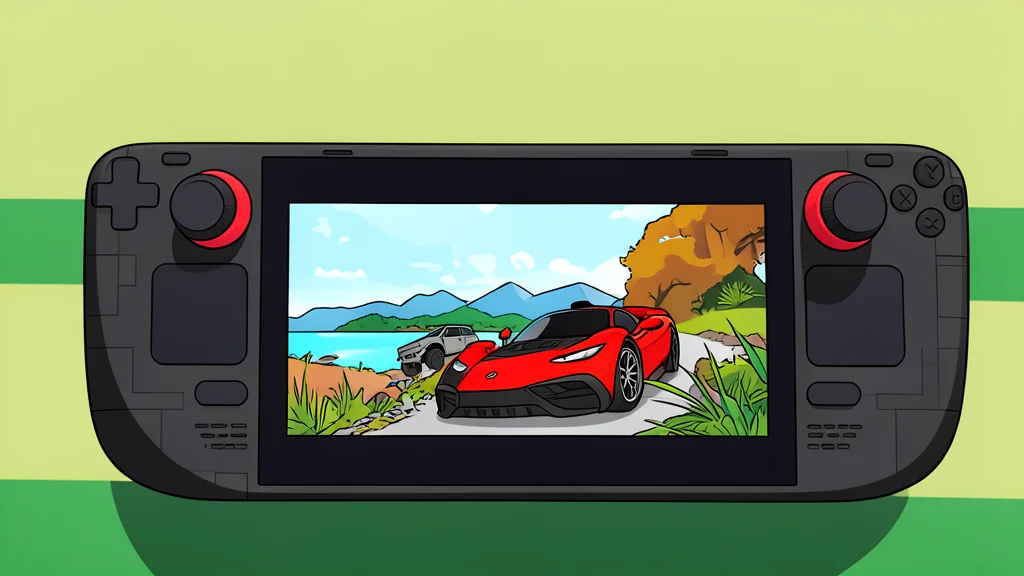
The Steam Deck is also noted as the top portable device, appealing to PC gamers who want to carry their library with them. While these devices offer unmatched mobility, they generally lack the raw graphical power of the Xbox and PlayStation for the most demanding next-generation titles. The choice ultimately depends on whether convenience and portability outweigh the need for peak performance.