CBP Supervisor Steals Hardware from 46 Government PCs
A customs supervisor in Maine has been arrested for systematically stripping high-end components from government computers and trading them in for store credit.
Terry “Jiajia” Liu, a supervisor with U.S. Customs and Border Protection in Calais, Maine, faces federal charges for theft and damage to government property. The FBI alleges that Liu systematically removed high-performance processors, memory modules, and hard drives from at least 46 computers across three border facilities. These machines originally housed Intel 14th-generation Raptor Lake Refresh chips, which were standard equipment for the agency’s IT infrastructure.
Instead of selling the stolen parts on the open market, Liu used Newegg’s trade-in program to convert the hardware into store credit. Over a 14-month period, the supervisor traded in 16 Core i7 processors, each valued between $200 and $210. The replacement parts installed in the government systems were significantly inferior, with some machines downgraded to Pentium-class chips, resulting in a measurable loss of performance for the agency’s operations.
Surveillance captured the midnight hardware swaps
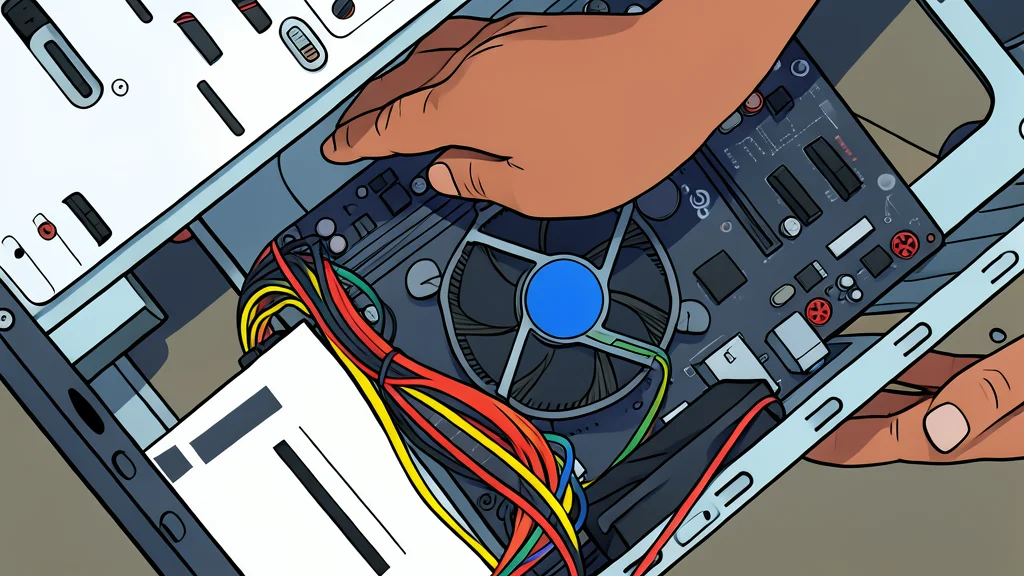
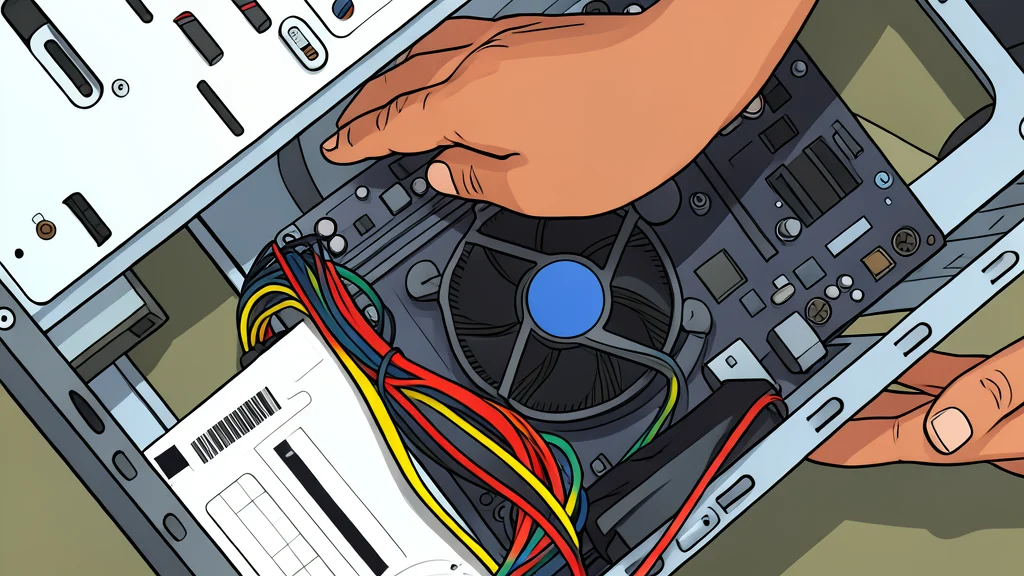
Hidden cameras recorded Liu performing the swaps during midnight shifts, often in a training room. Footage shows the supervisor using a screwdriver to scrape thermal paste from processors and installing cheaper replacements. In other instances, Liu was seen removing memory modules and storing them in a desk drawer. A written order from Port Director Theodore Cummings explicitly prohibited Liu from moving any computers or parts, yet the supervisor continued the activity despite their limited IT support role.
Investigators found 13 emails between a personal account and an official CBP address containing shipping labels and trade-in receipts. These documents matched the specific processor models missing from the government systems. Liu eventually confessed to the actions, initially claiming the goal was to improve computer performance and reduce repair times. This explanation was contradicted by the technical reality, as the installed replacements were slower and less capable than the original hardware.
The financial hit to the agency
The damage extends beyond the value of the stolen components. Restoring the specific stolen hardware would cost approximately $20,460. However, fully replacing all 46 compromised computers with equivalent systems is estimated to cost $105,800. This figure does not include the additional labor required to configure each machine for specific government use cases. Tom's Hardware notes that such incidents highlight the vulnerability of physical assets in secure facilities, where internal access can bypass digital security controls.
The case underscores a critical trade-off in government IT management: the reliance on internal staff for maintenance versus the risk of insider threats. While digital permissions can be revoked, physical access to hardware requires trust and oversight. In this instance, the lack of immediate physical monitoring during off-hours allowed the theft to continue for over a year before surveillance footage provided the evidence needed for arrest.
Lessons for physical security protocols
This incident serves as a cautionary tale for organizations managing sensitive hardware. The use of a trade-in program made the theft less conspicuous than a direct sale, blending the illicit activity with normal consumer behavior. For readers, the stakes are clear: even in secure environments, physical components remain a target for theft if internal controls are not tightly integrated with physical security measures.
The investigation revealed that Liu purchased replacement parts from Amazon and Newegg, further complicating the audit trail. The discrepancy between the high-end original specifications and the low-end replacements created a performance gap that likely went unnoticed until the surveillance review. This highlights the importance of regular hardware audits and the need for multi-factor physical access controls in government and corporate settings.