Supervisor Charged with Stealing Government Computer Parts
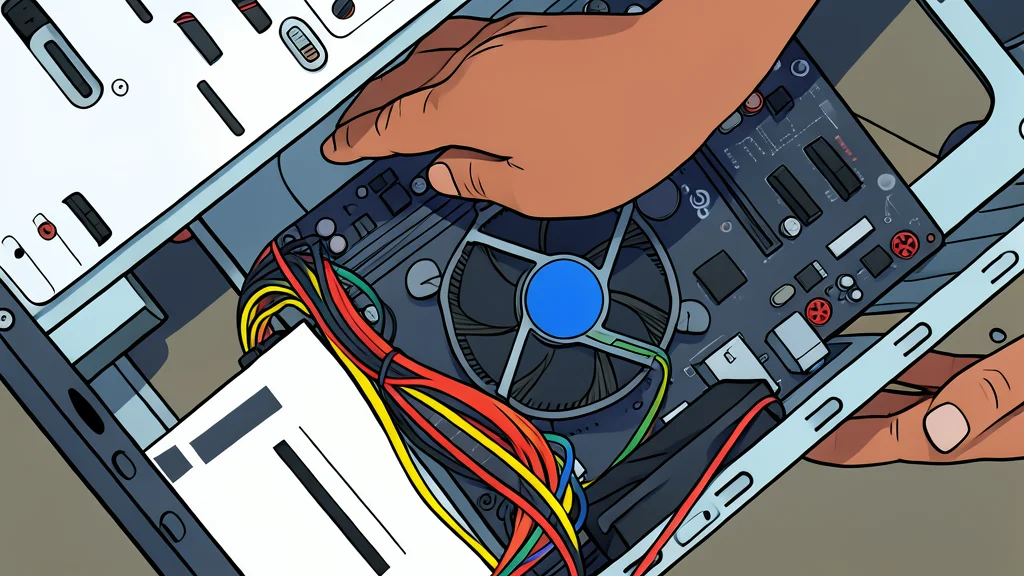
A US Customs and Border Protection supervisor has been arrested for systematically stripping high-end components from official workstations and trading them in for store credit.
Terry Liu, a supervisor based in Calais, Maine, faces federal charges for theft and damage to government property. The arrest marks a significant breach of trust within the Department of Homeland Security, where Liu held a position of responsibility despite having no official authority to modify hardware. According to investigators, the scheme involved the removal of Intel Core i7 processors, memory modules, and hard drives from at least 46 computers across three border facilities.
The operation was not a one-off incident but a sustained effort spanning 14 months. Liu replaced the stolen high-performance parts with inferior hardware, often downgrading systems to older Pentium chips. The stolen components were then cashed out through Newegg’s trade-in program, converting government property into personal store credit. This method allowed the theft to remain hidden for a long time, as the systems continued to function, albeit with significantly reduced capability.
Surveillance footage captures the hardware swap
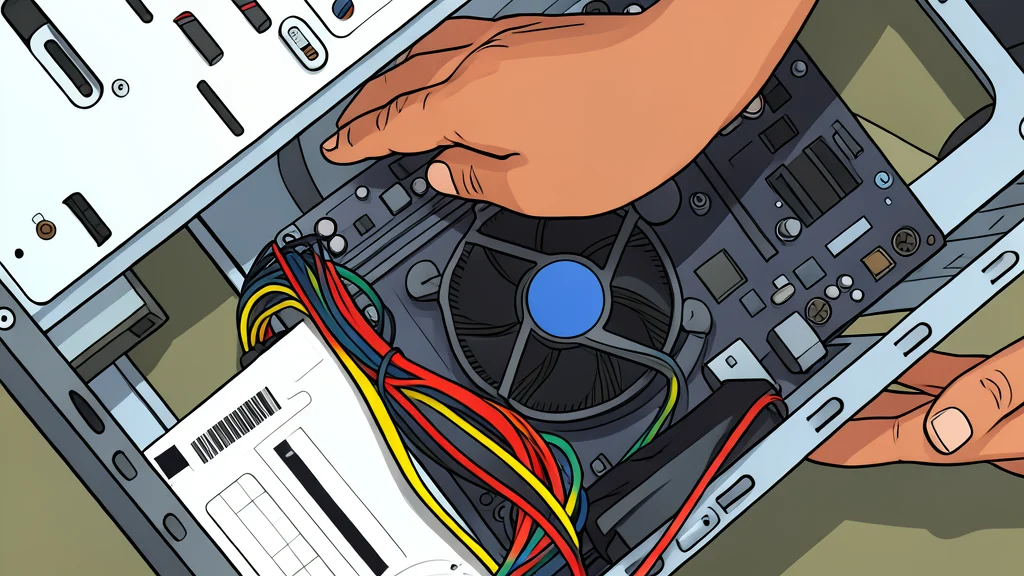
Hidden cameras provided conclusive evidence of the crimes, capturing Liu during midnight shifts. Footage shows the supervisor using a screwdriver to scrape thermal paste off processors before installing replacements. In another recorded instance, Liu was seen removing memory modules and storing them in a desk drawer. These actions directly violated a written order from Port Director Theodore Cummings, which explicitly prohibited moving any computers or parts.
The physical evidence was corroborated by a thorough audit of the affected machines. Investigators found that 39 computers had their processors replaced, while six had memory modules swapped and eight underwent hard drive changes. The discrepancy between the original high-spec configurations and the downgraded hardware found in the systems provided a clear trail for prosecutors to follow.
Trade-in program used to liquidate stolen goods
Liu chose a discreet method to convert the stolen hardware into value. Instead of selling on the open market, they utilized Newegg’s trade-in program, which offers store credit for used electronics. Investigators uncovered 13 emails exchanged between a personal account and an official government address, containing shipping labels and receipts for the specific processor models that went missing. The transactions totaled roughly $200 to $210 per chip, with 16 Core i7 processors traded in over the course of the scheme.
Financial impact and admission of guilt
During a police interview, Liu initially claimed the goal was to improve computer performance and reduce repair times. However, they later admitted that the changes actually degraded system performance. The financial fallout for the government is substantial. Restoring the stolen hardware is estimated to cost over $20,000, while replacing all 46 compromised computers with equivalent new units would cost approximately $105,800. Additional labor costs for configuration will further increase the total expense.
This case highlights the risks inherent in giving IT support staff physical access to critical infrastructure without adequate oversight. As reported by GN technics/hardware (en-US), the incident underscores the need for stricter access controls and monitoring in government facilities. The trade-off between operational flexibility and security has proven costly, with the stolen components providing only modest personal gain compared to the massive public expense required to rectify the damage.