Obsolete Motherboard Headers Still Ship in Modern PCs
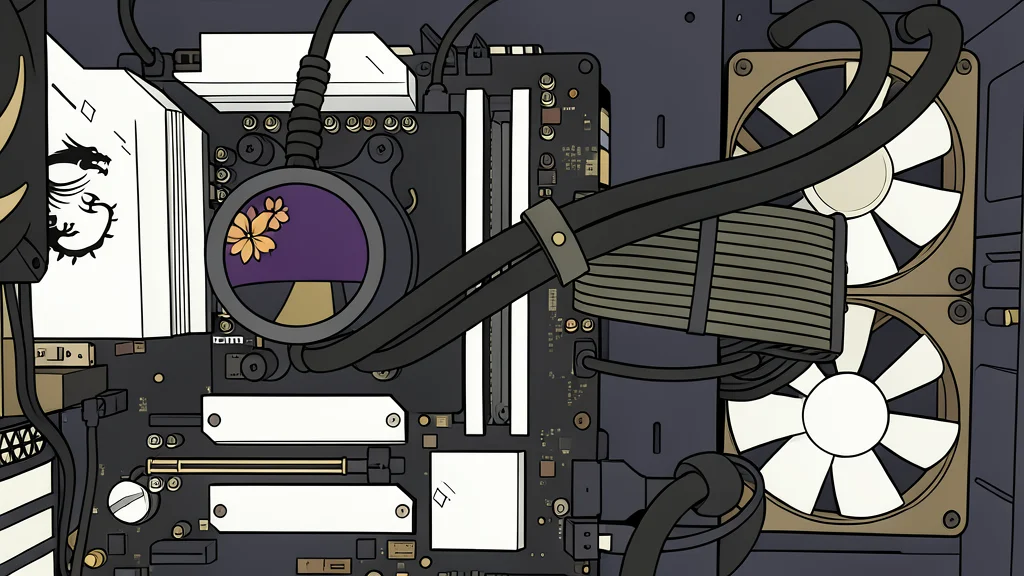
Modern motherboards include four legacy connection points that serve almost no purpose for typical users, yet manufacturers continue to install them.
Modern computing has evolved dramatically, moving from low-bandwidth expansion slots to high-speed interfaces capable of pushing tens of gigabits per second. Despite these advancements, physical remnants of older standards remain embedded in current hardware. Recent reviews of consumer-grade boards have highlighted four specific connection points that are largely irrelevant to today's typical user, yet they persist on the circuit boards.
These legacy features include a chassis intrusion sensor, a speaker connection, a discrete security chip slot, and a tuning controller port. While they were essential in previous decades, most modern cases and operating systems have rendered them unnecessary. The inclusion of these headers represents a trade-off between backward compatibility for niche enterprise needs and the practical utility for average consumers.
Security Sensors for Enterprise Only
The chassis intrusion header is designed to alert users if a computer case has been opened. This feature was originally intended for business environments where IT managers needed to detect unauthorized access or tampering with internal components. In a consumer setting, however, this sensor is almost always unoccupied because modern retail cases do not include the necessary switch mechanism to connect to the motherboard.
While rare incidents of hardware theft in shared spaces might theoretically benefit from such a warning, the vast majority of personal computer users will never engage with this feature. The hardware exists to satisfy specific enterprise compliance requirements, creating a disconnect between the capabilities of the board and the actual needs of the home user.
Beep Codes Replaced by Visual Indicators
The speaker header is a nod to early diagnostic methods where specific beep patterns indicated hardware failures. In the past, if a system failed to boot, these audio codes were the only way to identify issues like memory errors or processor faults. Today, this auditory feedback has been largely superseded by visual debug LEDs integrated directly into the motherboard.
Modern boards use colored lights to signal specific problems, such as red for processor issues or yellow for memory faults. This visual approach is clearer and more immediate than interpreting sound patterns. Consequently, the speaker port remains on the board for legacy compatibility, but it is rarely used in new builds where visual diagnostics are the standard troubleshooting method.
Redundant Security Chip Connections
A twelve-pin header for a discrete Trusted Platform Module is present on many boards, even though modern processors include this security functionality internally. This built-in firmware eliminates the need for a separate physical chip in most scenarios, particularly for consumers running standard operating systems. The external connector remains for organizations with strict policies requiring hardware-based security modules.
There was a brief period where a software glitch made the internal version unstable, temporarily increasing demand for the external option. However, that issue has been resolved, and the market for discrete modules is now very small. For the average buyer, this header represents unused space that caters to a niche professional sector rather than everyday computing needs.