Outdated PC Building Habits Are Falling Out of Favor
The era of massive towers and extreme lighting is fading as builders prioritize practicality and quiet performance over visual spectacle.
For decades, the standard for high-performance personal computers involved selecting eight specific components and assembling them into a large, often floor-standing tower. This approach was driven by the need for extensive storage space, multiple optical drives, and complex cooling systems that required significant physical volume. However, the landscape of consumer technology has shifted dramatically over the last fifteen years. The components that once dictated case size are no longer essential for most users, leading to a fundamental reevaluation of what makes a PC build effective and desirable.
According to reports from XDA Developers, several long-standing conventions in the enthusiast community are now considered outdated. From the dominance of full-tower cases to the prevalence of aggressive RGB lighting, these trends have lost their appeal among the average user. The modern preference leans toward compact, desk-friendly designs and subtle aesthetics, reflecting a broader cultural shift away from ostentatious hardware displays toward functional, integrated technology.
Compact cases replace massive towers
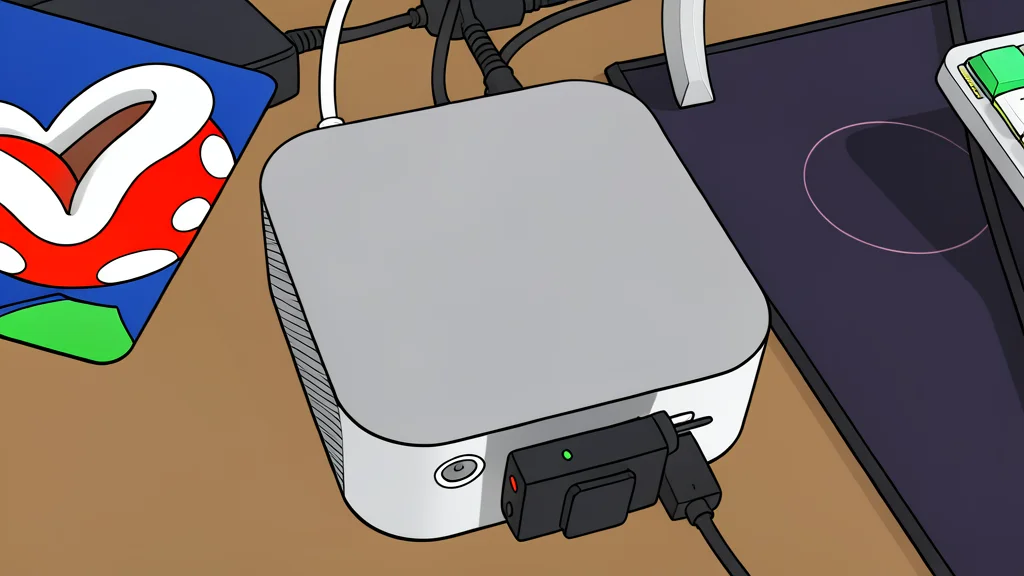
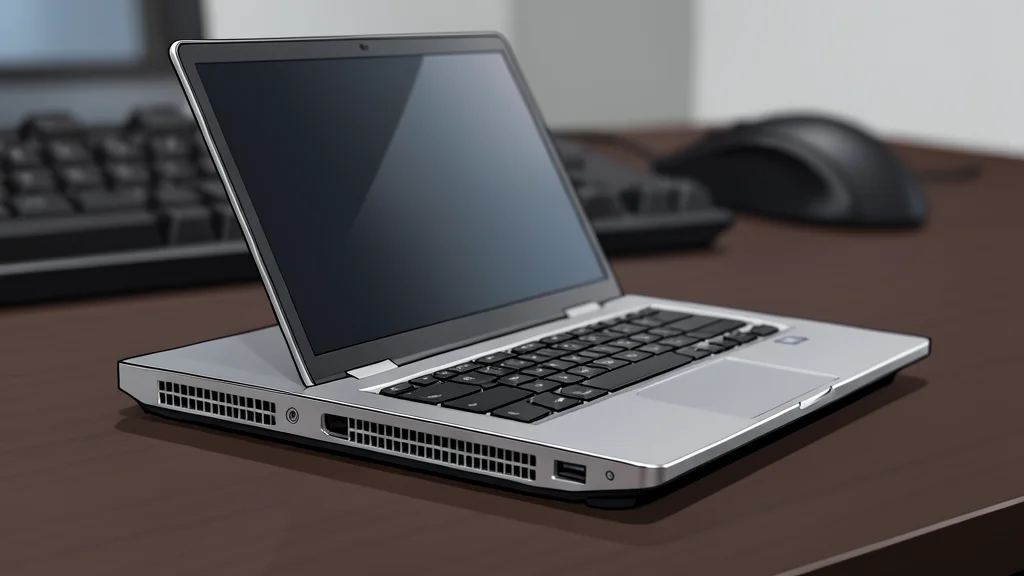
Full-tower cases, which were ubiquitous in the early 2010s, have largely disappeared from mainstream setups. Their popularity was fueled by the need to accommodate multiple hard drives and CD-ROM units, storage media that have since become obsolete for the majority of users. Today, solid-state drives occupy a fraction of the space, and digital distribution has rendered optical drives unnecessary. As a result, mid-tower and mini-ITX cases have become the preferred choice, offering sufficient internal space for modern components while fitting neatly on a desk next to a monitor.
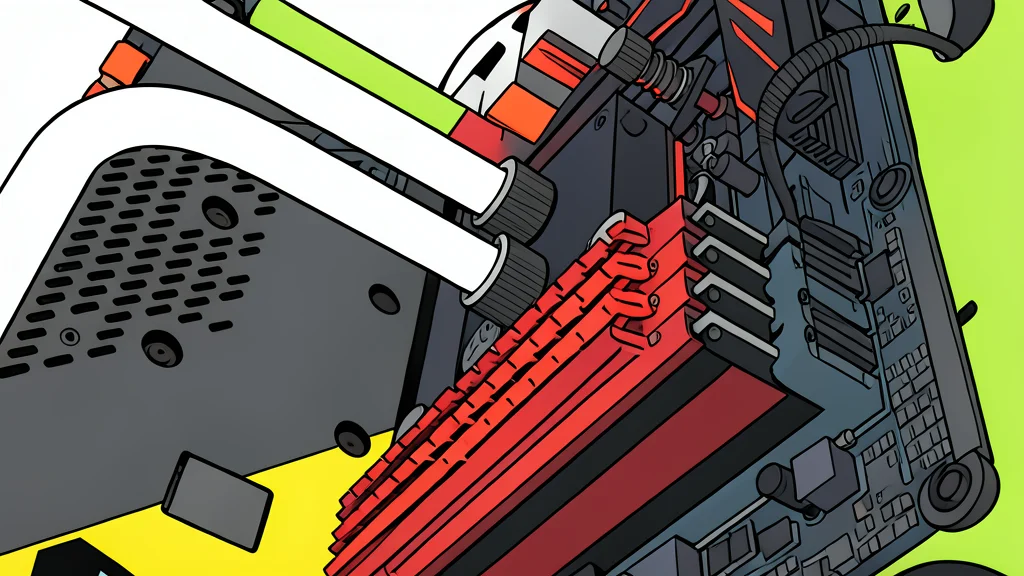
The shift toward smaller form factors also reflects a change in how cooling is managed. Complex custom watercooling loops, which required large radiators and extensive tubing, have been replaced by all-in-one liquid coolers and efficient air cooling solutions. These modern cooling methods are compact enough to fit within smaller cases without sacrificing thermal performance. The trade-off is that builders must plan their component choices more carefully to ensure adequate airflow, but the result is a sleeker, more aesthetically pleasing machine that blends into a modern workspace.
Subtle lighting replaces rainbow clutter
The trend of equipping every component with multicolored RGB lighting has also declined in popularity. Once viewed as a symbol of high-end customization, excessive lighting is now often criticized for being gaudy and distracting. While manufacturers continue to produce RGB-lit keyboards, mice, and even desk mats, the consensus among many builders has shifted toward restraint. Tasteful, single-color lighting or no lighting at all is preferred, as it maintains a professional appearance without turning the computer setup into a nightclub.
This aesthetic shift is part of a broader move away from visual excess. The focus is now on how the computer fits into the user's daily environment rather than standing out as a separate object. The catch for those who still enjoy vibrant lighting is that it often requires additional power consumption and can contribute to heat buildup, though these are minor issues compared to the primary concern of visual clutter.
Factory tuning supersedes manual tweaking
Overclocking, or manually increasing the speed of a processor or graphics card beyond its rated limits, was once a standard practice for enthusiasts seeking maximum performance. However, modern hardware manufacturers now ship their components pre-tuned to operate near their peak efficiency right out of the box. This leaves little room for significant performance gains through manual adjustment. Consequently, overclocking has become a niche activity with diminishing returns, requiring considerable effort for minimal reward.
Many users now prioritize stability and longevity over raw speed, opting instead for undervolting. This process reduces the power supplied to the hardware, which lowers operating temperatures and extends the lifespan of the components. While this may result in a slight reduction in peak performance compared to aggressive overclocking, it offers a more balanced approach that aligns with the modern preference for quiet, reliable, and energy-efficient computing. The trade-off is that users must accept that their hardware will not operate at its absolute theoretical maximum, a compromise most find acceptable for the gains in system health.