Drug Disables Cancer's Own Defense System
A new experimental treatment for mesothelioma attacks the antioxidants that help tumors survive, showing promising results in early trials.
Researchers are testing a counterintuitive strategy to fight mesothelioma by turning the cancer’s own survival mechanisms against it. Instead of adding antioxidants to calm down the chaotic chemical environment inside tumor cells, the new approach disables a specific defense enzyme that helps those cells withstand their own toxic byproducts. This experimental drug, known as thiostrepton, was evaluated in an early clinical trial where it successfully controlled disease progression in two-thirds of participants.
Mesothelioma is a rare and aggressive cancer typically linked to past asbestos exposure, with a median survival of about 12 months for many patients. Standard treatments like chemotherapy and immunotherapy have limited success, leaving a significant gap in effective care. The new findings, reported by ScienceDaily and originating from the University of Vermont, suggest that blocking the cancer’s ability to neutralize oxidative stress could lead to cell death, offering a novel path for patients with relapsed disease.
Cancer cells rely on internal shields
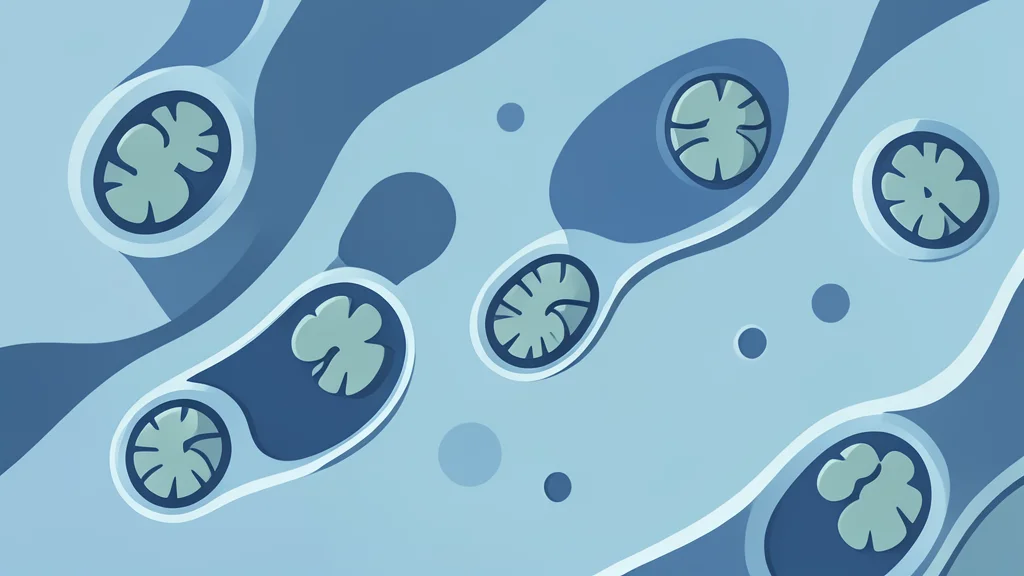
To understand the new strategy, it helps to look at how cancer cells manage stress. Tumor cells have highly active metabolisms that produce high levels of reactive oxygen species, unstable molecules that can damage cellular components. To survive this internal chaos, cancer cells boost their production of antioxidant enzymes. One of these key enzymes is peroxiredoxin 3, or PRX3, which works inside the mitochondria, the energy-producing structures within the cell.
For years, scientists attempted to treat cancer by increasing antioxidants to reduce oxidative stress. However, many of those trials failed, and some evidence suggested that boosting antioxidants might actually help tumors grow by reducing the stress that could otherwise kill them. The team at the University of Vermont reversed this logic. They hypothesized that if cancer cells are deprived of their primary antioxidant defense, the accumulated damage would become overwhelming, leading to cell death.
Disabling the enzyme causes collapse
The experimental treatment uses thiostrepton, a naturally occurring antibiotic, to block PRX3. When this enzyme is disabled, hydrogen peroxide builds up inside the mitochondria of the tumor cells. Because cancer cells already produce more reactive oxygen species than healthy cells, they are particularly vulnerable to this overload. The accumulation of these damaging molecules eventually triggers the death of the cancer cells, a process that normal cells are better equipped to handle.
Early trials show promising control
In a phase one clinical trial sponsored by RS Oncology, patients with relapsed mesothelioma received the experimental drug. The results showed that the treatment controlled disease progression in 67% of participants, and some tumors actually shrank. The drug was generally well tolerated, and critically ill patients in the trial lived longer than those receiving standard treatments. These findings raise hopes that this strategy of disabling antioxidant defenses could eventually be applied to other forms of cancer as well.