Why Industrial Computers Need Rugged Hardware
Standard office computers often fail under the stress of factory floors, making specialized design essential for reliability.
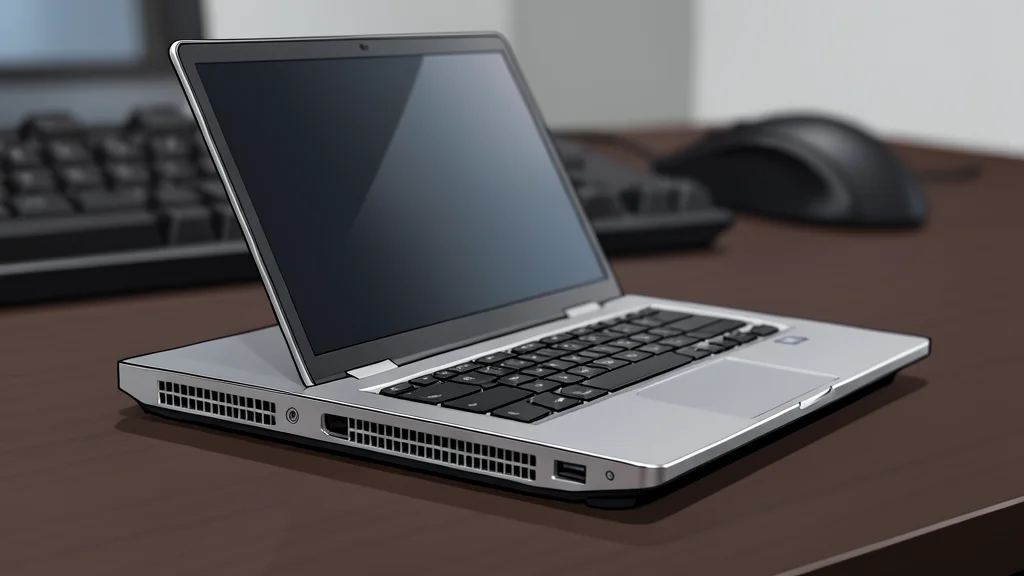
Many businesses are discovering that standard office computers are ill-suited for the harsh realities of industrial environments. Dust, constant vibration, and extreme temperature fluctuations can quickly degrade conventional hardware, leading to costly downtime. This is where specialized industrial computing solutions become critical, providing the durability that regular desktops simply cannot offer.
Global Infotech Solutions, based in New Delhi, has focused on this niche since its founding in 2019. The company does not just sell generic hardware; it curates equipment specifically designed to withstand demanding conditions. By prioritizing rigorous testing and quality procurement, the firm aims to bridge the gap between commercial computing needs and the robust requirements of manufacturing and logistics sectors.
Industrial Environments Demand More Than Standard PCs
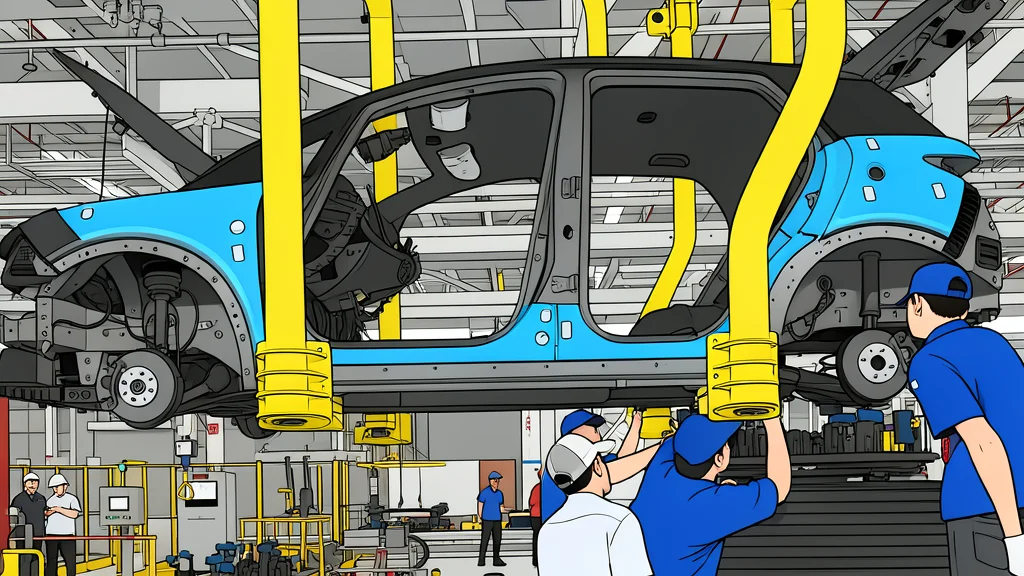
The difference between industrial and conventional computing is not just about processing power; it is about survival. A typical computer is designed for a climate-controlled office, whereas industrial hardware must operate in docks, factories, and outdoor facilities. In these settings, a single failure can halt an entire production line. Therefore, the hardware must be built to handle continuous operation without the luxury of frequent maintenance.
According to Rajiv Kumar, a representative from Global Infotech Solutions, the key distinction lies in the operating conditions. He notes that industrial environments expose hardware to dust, impacts, and heat that would cause a standard office PC to overheat or fail. The company’s approach involves selecting products that are explicitly engineered for these stressors, ensuring that the equipment remains reliable over extended periods of use.
The Critical Role of Rugged Chassis
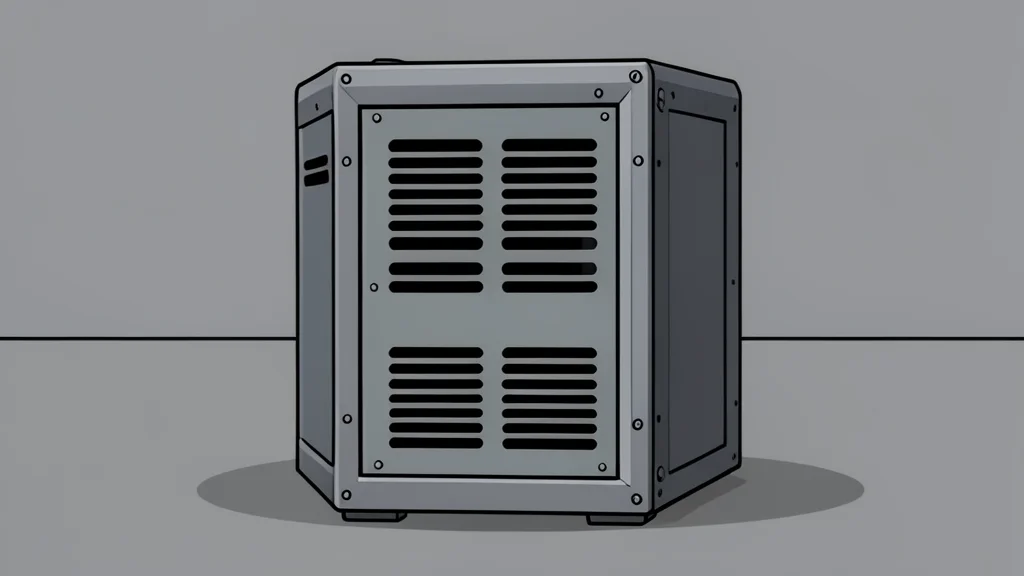
At the heart of these systems is the computer chassis, which acts as the physical shield for internal components. In an industrial setting, the chassis must do more than just hold parts together. It needs to protect against accidental drops, block out dust, and manage heat dissipation effectively. This structural integrity is what allows the computer to function reliably even when it is integrated into larger machinery or control panels.
Fanless designs are a common feature in these rugged setups. By eliminating moving parts like fans, the hardware reduces the risk of mechanical failure caused by dust buildup or vibration. This design choice is a trade-off, as it requires a larger chassis to allow for passive cooling, but it significantly extends the lifespan of the equipment in dirty or high-vibration environments.
Quality Sourcing and Technical Support
Sourcing reliable industrial hardware is not as simple as buying off the shelf. Global Infotech Solutions evaluates manufacturers based on product quality, pricing, and their ability to meet bulk demands. This curated approach ensures that the company is not just reselling components but providing a vetted solution. The firm also supports this with its own testing infrastructure and warehouse facilities, allowing for a more responsive service model.
However, there is a catch: specialized industrial hardware often comes at a higher price point than consumer-grade alternatives. The cost reflects the additional engineering, materials, and testing required to ensure durability. For businesses that rely on continuous operation, this premium is often justified by the reduction in downtime and maintenance costs. As the sector grows, the focus remains on balancing these costs with the critical need for reliability.