Nebula Matrix Adds Mainline Linux Driver for 100G Cards
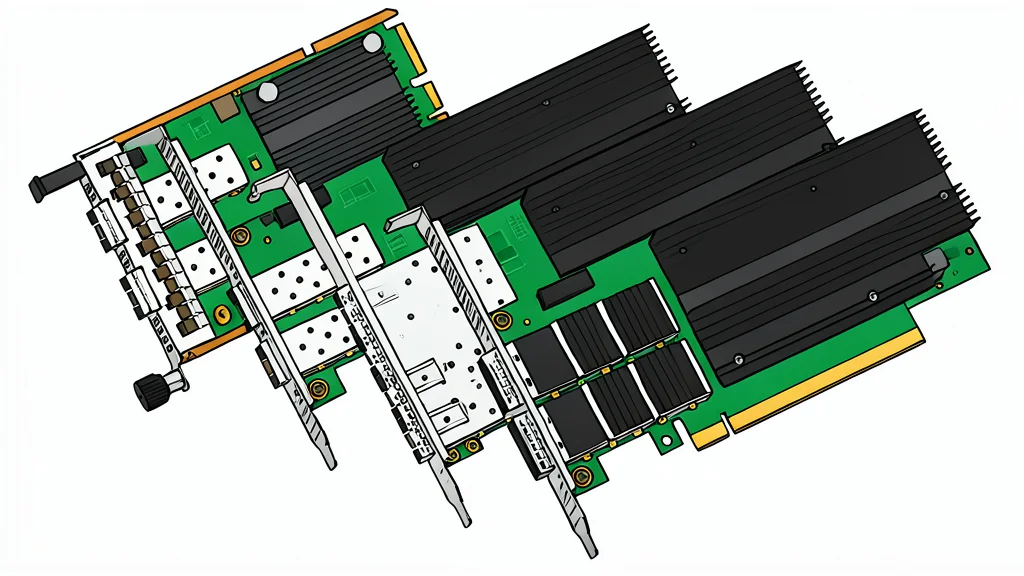
Nebula Matrix's NBL driver for S1000 series NICs enters Linux 7.4, offering native 100G support.
Key points
- Nebula Matrix's NBL driver for S1000 NICs will be included in the Linux 7.4 kernel.
- The S1000 series offers dual 100-gigabit Ethernet interfaces via a PCIe Gen4 x16 connection.
- Mainline kernel support eliminates the need for proprietary driver installations on Linux systems.
A new network driver for high-speed data center hardware is set to become part of the standard Linux kernel. The NBL driver, developed by Nebula Matrix, will debut in the upcoming Linux 7.4 release. This addition provides native support for the company's S1000 series smart network interface cards, which are designed for cloud computing and high-performance computing environments.
The move marks a shift from proprietary software to mainline kernel integration. As reported by Phoronix, the driver has already been merged into the net-next development tree. This process ensures that the hardware will function without requiring users to install separate, vendor-specific packages, streamlining the setup for new systems.
Hardware specifications for data centers
The S1000 series cards provide up to two 100-gigabit Ethernet interfaces per unit. They connect to the motherboard via a PCIe Gen4 x16 slot, a standard high-bandwidth interface for modern servers. These specifications are typical for equipment used in large-scale data processing tasks, where rapid data transfer is critical.
While the hardware is compatible with both Windows and Linux, the new driver specifically targets the Linux ecosystem. This is significant for organizations that rely on open-source operating systems for their infrastructure. The driver supports the m18110-NIC and m18000-NIC models, covering the primary product lines offered by the company.
Benefits of mainline kernel support
Having the driver included directly in the kernel offers a more stable user experience. Previously, users would need to manually download and install drivers from the manufacturer's website. With mainline support, the operating system recognizes the hardware automatically upon installation. This reduces configuration errors and simplifies the management of server fleets.
The integration also improves the long-term maintenance of the hardware. When the Linux kernel receives security updates or bug fixes, the network driver is updated simultaneously. This ensures that the hardware remains secure and functional without requiring separate vendor patches. It aligns the hardware lifecycle with the broader Linux release cycle.
Upstreaming process and timeline
Nebula Matrix developed the driver in-house and submitted it to the Linux kernel community. The upstreaming process involves review by kernel maintainers to ensure the code meets quality and security standards. The driver was merged into the net-next tree last week, a staging area for new features.
The next step is inclusion in the official Linux 7.4 merge window. This timeline suggests the feature will be available to end-users in the near future. The successful integration highlights the growing trend of hardware vendors collaborating with the open-source community to ensure broad compatibility. It also demonstrates the expanding support for high-speed networking in the Linux ecosystem.