Apple's Late Foldable Entry and the Trade-Offs Behind the Hardware
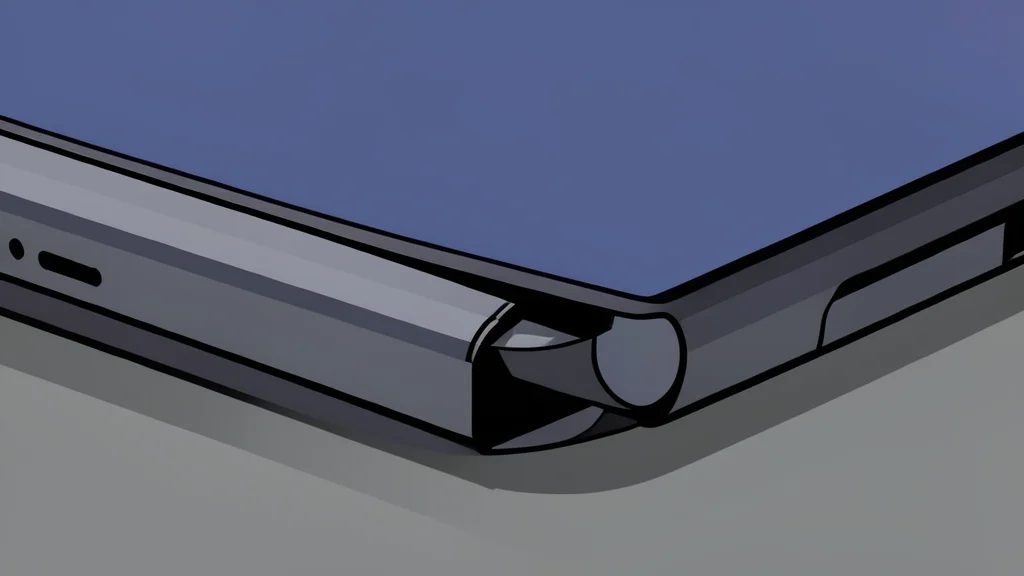
Apple’s long-awaited iPhone Duo arrives with impressive polish but significant compromises in camera technology and user accessibility, marking a complex step into the foldable market.
Apple has finally entered the foldable smartphone market with the iPhone Duo, a device that arrived years later than competitors but with a level of refinement that suggests extensive internal development. According to reports from GSMArena, the company had been working on this technology since at least 2019, pushing back launch dates repeatedly before releasing the hardware in 2026. The result is a phone that prioritizes build quality and software integration over raw speed of release, aiming to compete with established rivals by offering a more cohesive user experience rather than just matching their feature lists.
However, the device is not without significant drawbacks. While the inner display boasts a nearly crease-less appearance and a rare dust-proof rating, the camera system relies on components shared with cheaper, non-foldable models. Additionally, early impressions indicate that the interface is designed primarily for right-handed users, and the charging speeds remain slow by modern standards. These trade-offs highlight a strategic choice to focus on premium feel and processing power, potentially at the expense of versatility and performance in specific photography scenarios.
Refined Hardware and Software Integration
The most immediate advantage of the iPhone Duo is its physical construction. The device features an anti-reflective coating on the inner screen, a trait typically seen in later generations of competing foldables. This, combined with a solid build and dust protection, positions the phone as a durable option for daily use. The software experience further distinguishes the device, with unique transition animations and a left-aligned dock that enhance usability during the folding and unfolding process. These elements suggest that Apple used the delay to perfect the user interaction, making the device feel more complete than many of its predecessors.
Camera Limitations and Sensor Choices
Despite the premium price tag, the main camera on the iPhone Duo uses the same sensor as the significantly cheaper iPhone 17e. This means users are getting a smaller imager with a narrower lens, rather than the high-resolution unit found in Apple’s top-tier Pro models. Furthermore, the inner display utilizes an under-screen camera, a technology that generally produces lower image quality compared to traditional punch-hole cutouts. For photographers who expect the highest possible image fidelity, these hardware choices represent a notable step down from what the price point might suggest.
Processor Power and Battery Trade-offs
The A20 Pro chip offers a major generational leap in processing power, particularly for on-device artificial intelligence tasks. With a doubled number of cores in the Neural Engine and increased memory bandwidth, the device is well-equipped for future software demands. Battery life has also improved, with the Pro models gaining several hours of video playback time. However, the charging speed remains a weak point, lagging behind the fast-charging capabilities of many competitors. This imbalance suggests that while the phone is powerful and efficient, it may not be the fastest to recharge, a factor that could be frustrating for users who rely heavily on quick top-ups.
Ultimately, the iPhone Duo represents a cautious but polished entry into the foldable segment. It succeeds in creating a refined, durable device with a strong software foundation, but it makes distinct compromises in camera hardware and accessibility. For buyers, the decision will hinge on whether the improved build quality and processing power outweigh the slower charging speeds and less versatile camera system. As the market matures, these trade-offs will define how the device stands out against its rivals.