iKKO MindOne Targets Niche Market with Card-Sized AI Phone
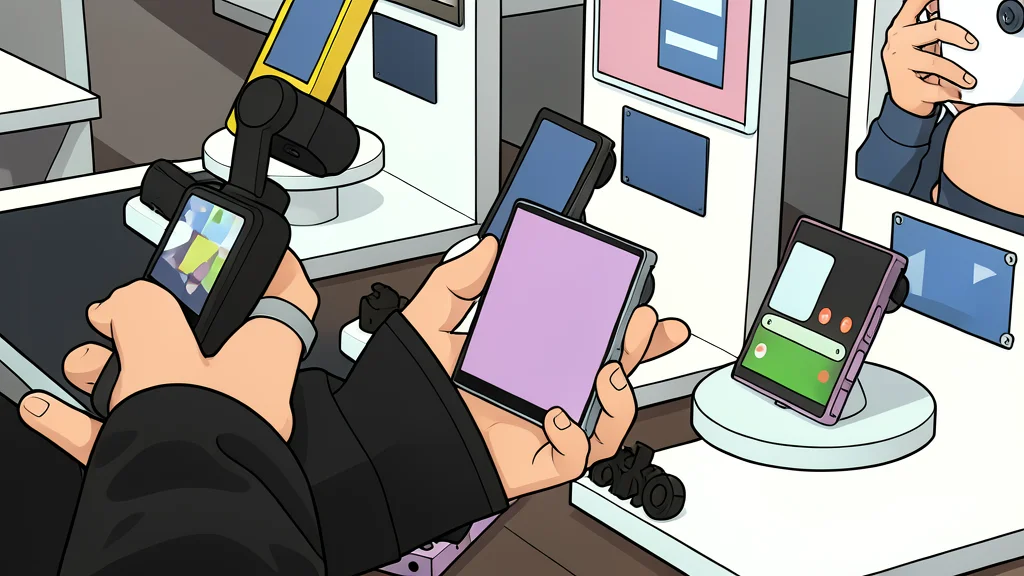
A compact device attempts to redefine personal tech by focusing on quick AI tasks rather than replacing standard smartphones.
At the recent IFA 2026 trade show in Berlin, a distinct shift was visible across the consumer electronics floor. Artificial intelligence is no longer confined to cloud-based software; it is increasingly being embedded into the physical form factors of portable devices. While most manufacturers focused on larger screens and higher camera counts, one brand took a different approach to the question of what the next major personal hardware category might be.
iKKO presented its updated MindOne pocket phone, a nearly square device measuring just 86 by 72 millimeters. This compact form factor stands in sharp contrast to the standard 6.7-inch flagships that dominate the market. By rejecting the trend toward larger displays, the device aims to serve a specific purpose: handling brief, frequent interactions with immediate ease, rather than acting as a replacement for a primary smartphone.
Compact design prioritizes mobility
The primary appeal of the MindOne is its physical size. At 8.9 millimeters thick, it is designed to be carried with minimal effort, fitting easily into a pocket or worn on the body. This focus on portability allows for one-handed use, catering to users who need quick access to digital tools without the bulk of a traditional phone.
The camera system reflects this minimalist philosophy. Instead of multiple lenses, the device features a single 50-megapixel Sony sensor that flips 180 degrees. This mechanical solution eliminates the need for separate front and rear cameras, reducing component complexity. While this offers flexibility for video recording, it means the device relies on a single optical module for all imaging needs, a trade-off for the reduced physical footprint.
Dual operating systems offer flexibility
Beyond hardware, the device runs on a dual-system setup. Users can switch between standard Android 15 and a proprietary iKKO AI OS using a dedicated physical button. This architecture allows access to the familiar Android app ecosystem while providing a streamlined interface for specific AI tools. According to reports from GN technics/mobile, this separation is intended to reduce the cognitive load of switching between general-purpose apps and specialized AI functions.
The AI OS includes features such as live translation, note transcription, and study assistance. A recent update also added support for custom AI models, suggesting a move toward a subscription-based service model. While this expands functionality, it introduces a dependency on ongoing software updates and potentially paid services for advanced features, which may not be present in a standard one-time purchase.
Connectivity options expand global reach
To support its portability goals, the MindOne includes multiple connectivity methods. It supports standard Nano SIM cards for local carriers, but also offers vSIM technology available in over 220 countries. This allows users to maintain data connectivity for messaging and browsing without needing a physical SIM card from a local provider. Additionally, a feature called NovaLink is integrated for supported AI tools, creating a layered approach to network access that prioritizes ease of use over raw speed.