iPhone Duo and Galaxy Z Fold 8 Face Off in Foldable Market
Apple's new foldable enters a crowded market, but its durability edge over Samsung's latest flagship may tip the scales for switchers.
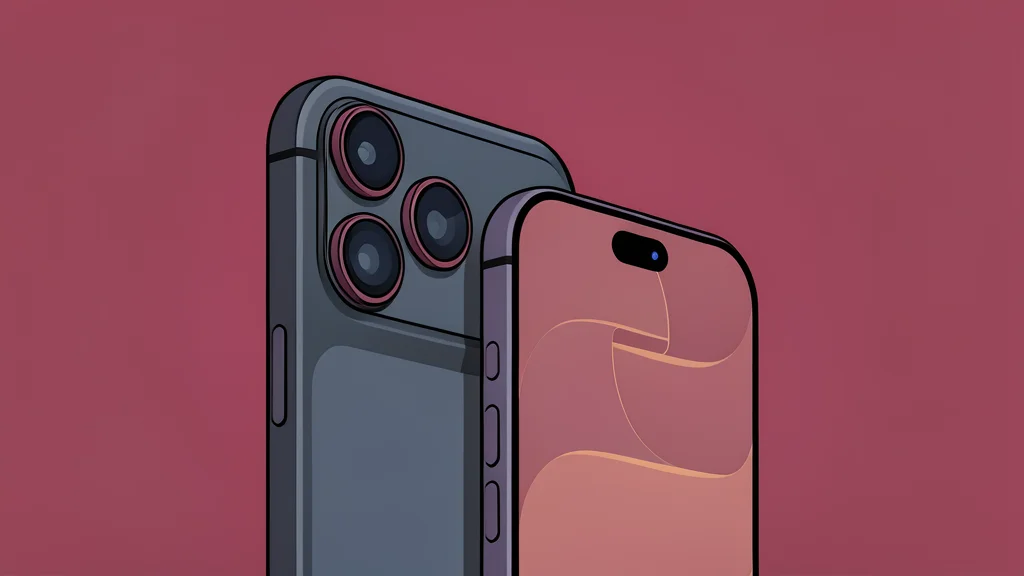
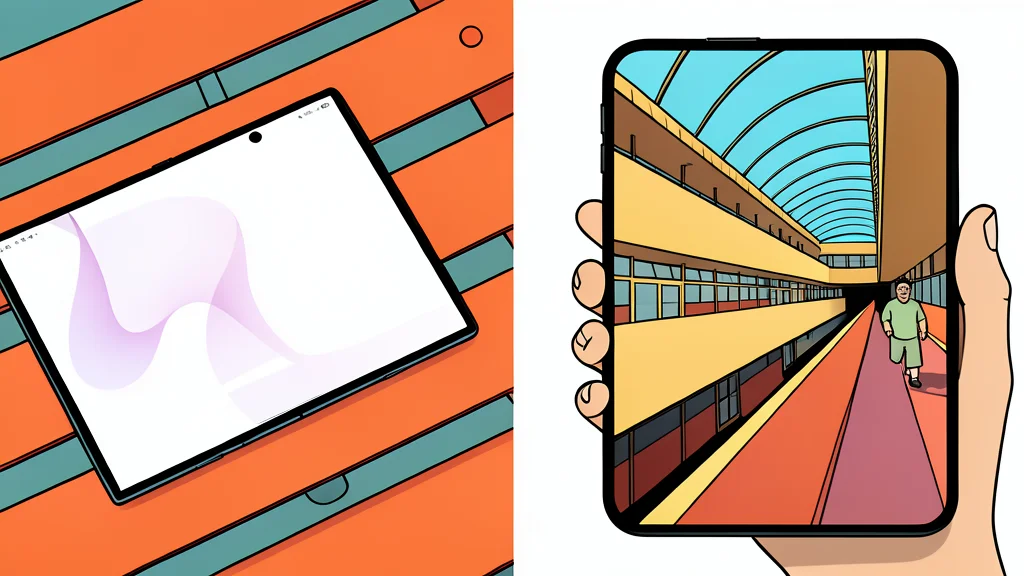
Apple’s entry into the foldable smartphone segment lands in a market already dominated by Samsung, but the new iPhone Duo is not just another option. It is a direct challenge to the Galaxy Z Fold 8, with both devices sharing a similar passport-style aspect ratio rather than the tall, thin design seen in other models. The price gap between them is also minimal, with the Duo costing only $100 more than its Android rival. This close pricing and form factor make the Duo a specific threat to Samsung’s current flagship, rather than a general competitor to all foldables.
The choice between these two devices comes down to a few key trade-offs. Samsung offers slightly thinner hardware and faster wired charging, while Apple counters with superior dust protection and a more polished user experience. For consumers deciding whether to stay within their existing ecosystem or switch, the iPhone Duo presents a compelling case, particularly for those who value long-term durability and the aesthetic consistency of the iOS interface over minor hardware advantages.
Durability separates the two devices
One of the most significant differences lies in how the devices handle the elements. The Galaxy Z Fold 8 carries an IP48 rating, which means it is fully waterproof but only protected against particles larger than a grain of sand. This leaves the device vulnerable to fine dust, a weakness that has plagued earlier Samsung foldables. In contrast, the iPhone Duo is rated as both fully waterproof and dustproof. This distinction is crucial for a high-end device, as dust damage is a common cause of failure in foldable screens, and Apple’s rating offers greater peace of mind for daily use.
Charging speeds and battery life
When it comes to power, Samsung holds a slight edge in wired charging speed. The Fold 8 can charge from 0% to 73% in 30 minutes, whereas the iPhone Duo reaches 50% in the same timeframe. However, Apple wins on wireless charging capabilities. The Duo supports full MagSafe, a magnetic alignment system that ensures efficient wireless charging, while the Fold 8 lacks the necessary magnets for the newer Qi2 standard. Apple also claims the Duo will last up to 24 hours in typical use, though it has not disclosed the exact battery capacity, leaving some uncertainty until teardowns are conducted.
Camera systems are closely matched
The camera hardware on both devices is remarkably similar, with neither offering a telephoto lens. The iPhone Duo features 48-megapixel main and ultrawide cameras, while the Fold 8 uses 50-megapixel sensors. For most users, this difference will be negligible in everyday photography. The selfie cameras also differ slightly; the Fold 8 has a 10-megapixel camera on the outer display and another on the inner display, while the Duo has a 12-megapixel outer camera. The inner camera on the Duo appears to have a lower resolution, as it supports 1080p video but not 4K, a limitation that may matter to vloggers or those who prefer using the larger inner screen for self-recording.
According to 9to5Mac, the practical reality is that most consumers will stick with their existing ecosystem. However, the iPhone Duo is uniquely positioned to attract Android users who are drawn to the foldable form factor. Samsung’s history with durability issues could be a deciding factor for those willing to spend nearly $2,000 on a smartphone. Additionally, the widespread admiration for Apple’s user interface may serve as a strong incentive for switchers, making the Duo a more appealing option than previous iPhones for those considering a change in operating system.