CEVA Tests Driverless Electric Trucks in Singapore Warehouse
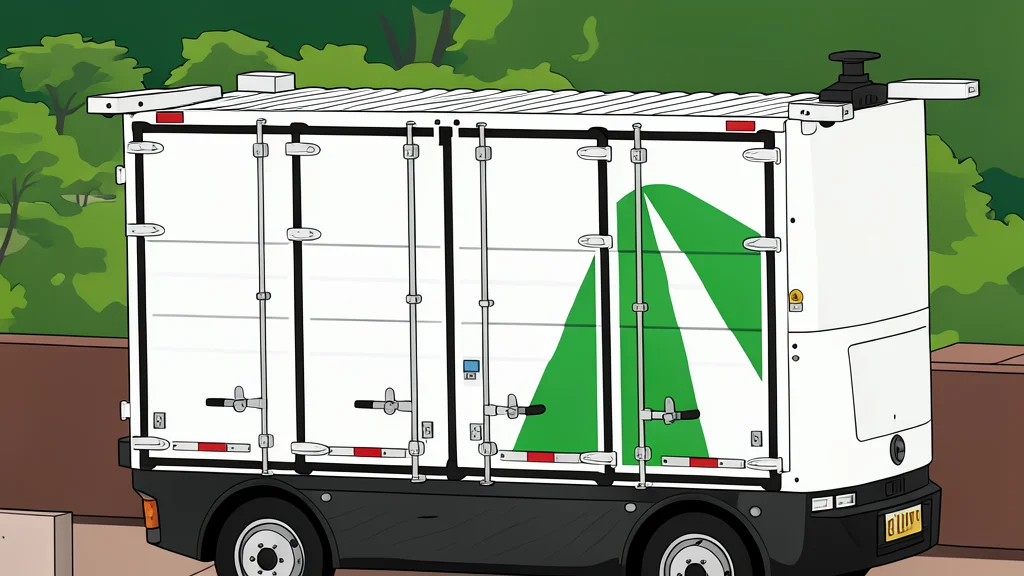
A logistics giant is swapping diesel for electricity in a Singapore hub, betting that driverless robots can move cargo up ramps without new infrastructure.
CEVA Logistics has begun a trial at its Blue Hub facility in Singapore, deploying two autonomous electric vehicles to handle internal freight. The move marks a shift away from traditional diesel trucks for moving goods between floors, aiming to cut emissions and improve workflow efficiency within the eight-storey building.
The pilot uses Zelostech Z10 robots to transport pallets and totes up and down the facility’s existing multi-level ramps. According to reports from GN auto tech/ev, this approach allows the company to modernize its operations without the costly and disruptive task of retrofitting the building’s physical infrastructure. The primary goal is to make inventory transfers more flexible while significantly reducing the carbon footprint of the site.
Replacing Diesel With Electric Robots
The core benefit of this trial is environmental. CEVA estimates that the two electric vehicles will eliminate at least 4,600 kilograms of CO2 emissions annually. This reduction is achieved by directly replacing the diesel-powered trucks that currently shuttle cargo between different levels of the hub. For a facility serving luxury, beauty, and healthcare clients, such a change aligns with growing pressure to decarbonize supply chains without sacrificing speed.
However, the technology comes with specific operational constraints. The robots are designed to work within the existing ramp structure, meaning they cannot navigate arbitrary paths or handle oversized loads that exceed their capacity. The trial is limited to internal movement, so it does not yet address last-mile delivery challenges. The company is monitoring how well these units integrate with other automated systems already present in the warehouse, such as goods-to-person robots.
Scaling Up Global Operations
CEVA views the Singapore site as a proving ground for a broader strategy. If the pilot proves successful, the company plans to evaluate similar autonomous mobility solutions for other facilities across its global network. Guy Meredith, Vice President of APAC Contract Logistics at CEVA, stated that the company is actively working with technology partners to introduce automation and AI into supply chain operations. The success of this trial will determine how quickly driverless vehicles become a standard feature in logistics hubs.
The partnership stems from the 2025 CMA CGM Startup Awards, where Zelostech won funding to develop a proof of concept. This collaboration highlights a growing trend in the industry: large logistics firms are increasingly relying on specialized tech startups to solve niche operational problems. The trade-off for adopting such technology is the need for constant software updates and maintenance, which requires a dedicated technical team to oversee the robots' performance and safety.
Challenges of Warehouse Automation
While the environmental gains are clear, the implementation is not without risks. Autonomous vehicles in a busy warehouse environment must navigate around human workers and other machinery with high precision. Any malfunction could halt operations, causing delays for clients in time-sensitive sectors like healthcare. The company is carefully assessing these risks before considering a wider rollout. The pilot serves as a critical test of whether the technology can reliably handle the complexities of a real-world logistics environment.
The Blue Hub facility, spanning 50,000 square meters, is already highly automated. Adding autonomous electric vehicles represents the next step in a gradual transition toward smarter, greener logistics. The outcome of this trial will provide valuable data on the viability of driverless technology in large-scale distribution centers. For now, the focus remains on ensuring that the robots can consistently replace diesel trucks without introducing new operational bottlenecks.