Hyundai Robot Hype Fades as Costs Mount
Hyundai Motor's share price has dropped by half in three months as the timeline for its robot business slips into 2028, exposing significant financial risks and delayed returns for investors.
The market has rapidly stripped the premium value from Hyundai Motor Company, with its stock price falling from a peak of 750,000 won in early June to 367,000 won by mid-September. This 51% decline reflects a sharp shift in investor sentiment regarding the company’s robotics ambitions, particularly those tied to Boston Dynamics.
The drop is not merely a reaction to a single negative event but a recalibration of expectations. Investors are now pricing in the reality that the robot division will not generate immediate profits. Instead of a quick turnaround, the company faces years of heavy spending before seeing any substantial return on investment, a significant change from the earlier optimistic narrative.
IPO Delay Signals Financial Realities
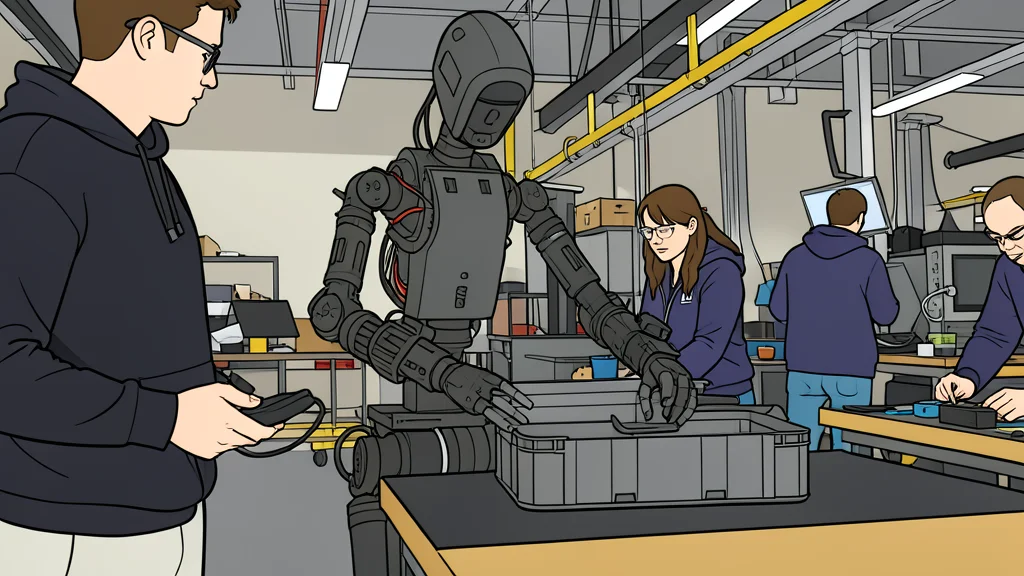
According to GN auto tech/robotics reports, a high-ranking official at Hyundai Motor Group indicated that the previously anticipated initial public offering for Boston Dynamics next year is practically difficult. This delay is directly linked to the continued financial deficits within the robotics division. Boston Dynamics reported an operating loss of approximately 528.4 billion won last year, with accumulated losses over the past five years reaching 1.7 trillion won.
The inability to list on the stock market quickly removes a key source of external funding and validation. For investors, this means the parent company, Hyundai Motor, must carry the weight of these losses on its own balance sheet for a longer period. The delay suggests that the technology is not yet ready for the public scrutiny and capital requirements of a major market listing.
Mass Production Pushed to 2028
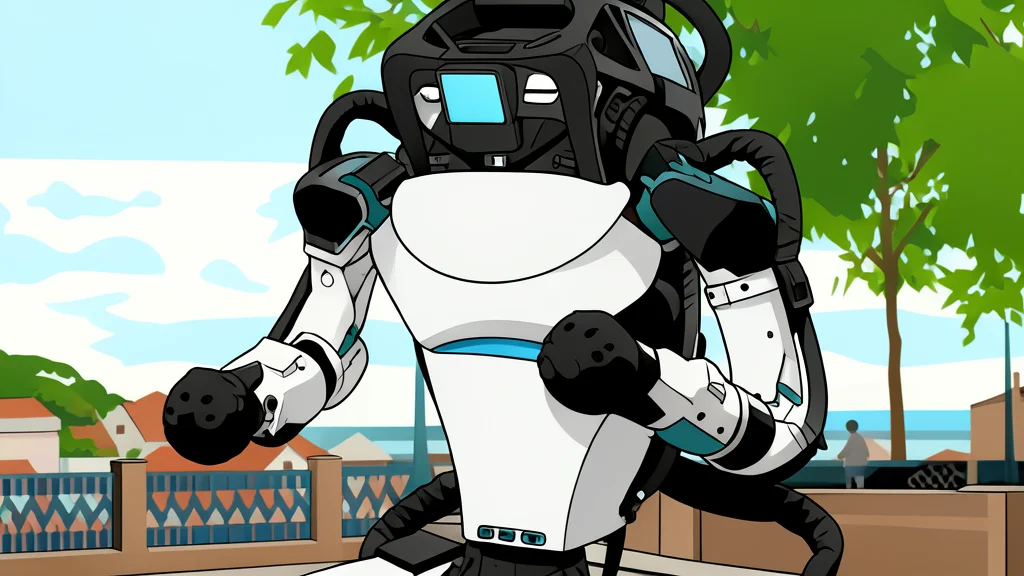
The commercialization timeline for the Atlas humanoid robot has been extended. Full-scale deployment at the Hyundai Motor Group Metaplant America in Georgia, which was initially expected to be a near-term success story, is now targeted for 2028. This pushback in the schedule delays the point at which the robot business can generate meaningful cash flow.
Analysts note that in a higher interest rate environment, businesses with long investment recovery periods face greater scrutiny. The fading narrative of rapid robot growth has collided with the fundamental stagnation of the main automobile business. As a result, the stock price has adjusted to reflect a more cautious outlook where profitability is distant and uncertain.
Rising Costs for Testing and Development
The road to 2028 is paved with increased expenses. Hanwha Investment & Securities analysts point out that the industry is entering a phase where costs for prototype production, verification, and process investment will concentrate over the next two to three years. Most companies in the humanoid sector are aiming for pilot mass production next year, but large-scale production is not expected until 2028.
Boston Dynamics is establishing an annual mass production system of 30,000 units by next year, but this comes with significant testing costs. Estimates suggest that verification costs for the Atlas robot, which is priced at approximately $450,000 per unit, could be five to ten times higher than previous models. This financial burden means that while the technology is advancing, the financial strain on the parent company is intensifying, creating a clear trade-off between technological progress and shareholder value.