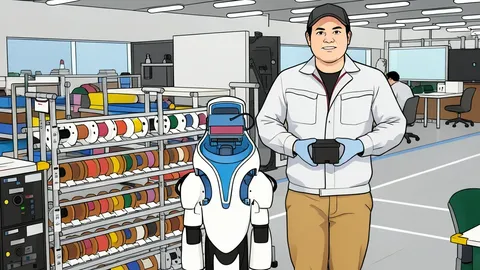
GMO Launches First Humanoid Robot Maintenance Van in Japan
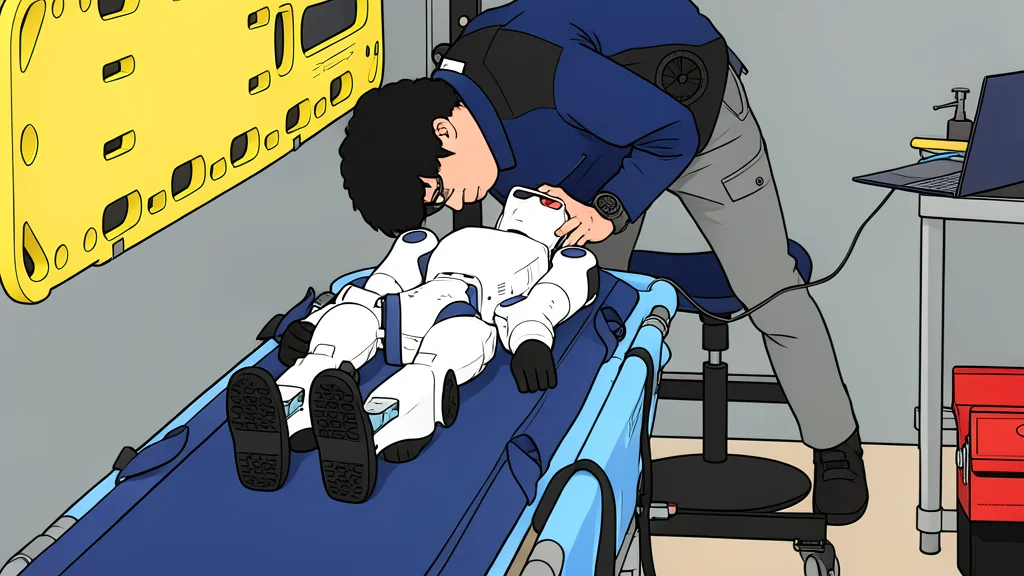
Japanese firm GMO Air introduces a dedicated vehicle for on-site humanoid repairs, marking the start of a new service industry.
Key points
- GMO Air has introduced the first dedicated maintenance vehicle for humanoid robots in Japan, providing on-site diagnostics and repairs.
- JD.com in China has commercialized a similar service, promising two-hour on-site arrival and planning to hire 10,000 maintenance staff.
- The humanoid robot market is projected to grow from under $1 billion in 2025 to $370 billion by 2040, driving demand for aftermarket services.
A new era of industrial support is arriving as humanoid robots become common fixtures in factories and logistics hubs. The rapid deployment of these machines has created an urgent need for specialized repair services, moving beyond simple software updates to physical maintenance and part replacement.
GMO AI·Robotics Trading Co., a subsidiary of the Japanese IT group GMO Internet, has unveiled the "GMO Humanoid Ambulance." According to chosun.com, this dedicated maintenance vehicle is designed to dispatch engineers and equipment to malfunctioning units, marking the first such service of its kind in Japan. This development signals a shift from merely building robots to sustaining their daily operations.
Dedicated Maintenance Vehicles Arrive
The service operates similarly to automotive roadside assistance. When a robot fails, technicians assess the damage on-site using diagnostic tools. If the unit cannot be fixed immediately, a backup robot is deployed to maintain workflow, while the broken machine is transported to a repair base.
This model addresses a critical gap in the current infrastructure. As humanoids take on physical tasks, their mechanical complexity increases, making immediate repair essential for business continuity. The trade-off for companies adopting this service is the cost of specialized labor, which is offset by reduced downtime and the avoidance of production halts.
Global Market Expansion Accelerates
Japan is not alone in this transition. In China, JD.com launched a similar "Robot Ambulance" service in Beijing earlier this year. The company promises on-site arrival within two hours and same-day repairs for minor issues, aiming to cover over 50 cities in the next three years.
Industry analysts project significant financial growth in this sector. McKinsey estimates the general-purpose robot market will expand from under one billion dollars in 2025 to 370 billion dollars by 2040. This growth is fueled by the increasing number of units requiring battery replacements, inspections, and exterior maintenance.
Automated Repair Systems Emerge
The maintenance ecosystem is also evolving toward automation. U.S. startup Generalist reported that its robotic arm successfully performed over 200 consecutive repairs on robot vacuum cleaners with a 99% success rate. This capability suggests that future maintenance could be performed by other robots, reducing reliance on human technicians for repetitive tasks.
Major battery manufacturers like CATL are also entering the space by partnering with humanoid developers to standardize inspection and recycling services. As with the automotive industry, the focus is shifting from the initial sale to the long-term support network that keeps these machines operational.