GMO Robotics Launches Mobile Repair Service for Humanoid Units
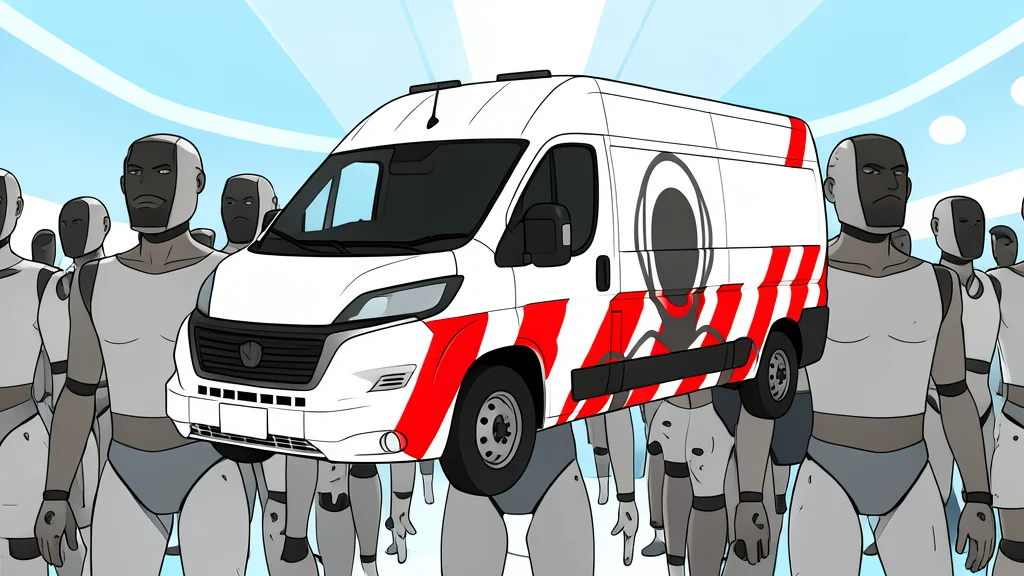
Japanese firm GMO AI & Robots is introducing a mobile maintenance unit to address the growing need for on-site repairs as humanoid robots become more common in public spaces.
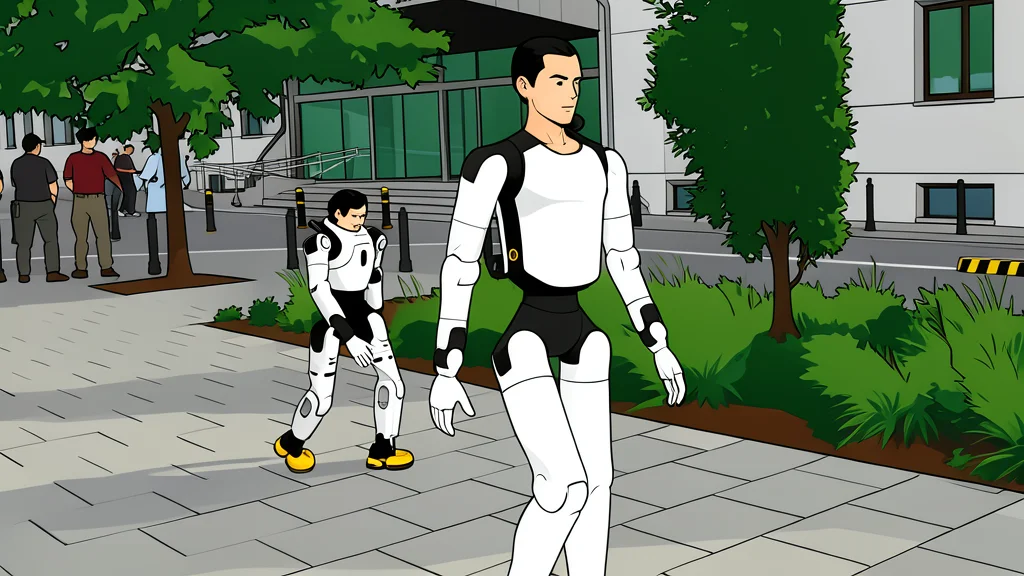
As humanoid robots move from laboratories into working environments, the need for rapid maintenance has become a critical operational challenge. GMO AI & Robots, a Japanese company, is addressing this gap by launching what it describes as the first dedicated maintenance vehicle for these machines. The service is designed to provide immediate technical support, ensuring that robots remain functional in their daily roles.
The initiative reflects a broader shift in how society integrates advanced automation. By treating robot upkeep as a specialized infrastructure need, the company aims to reduce downtime and increase reliability. This approach mirrors the logistics of traditional industrial services, where dedicated fleets support heavy machinery or delivery vehicles in the field.
Mobile Service Replaces Static Repair
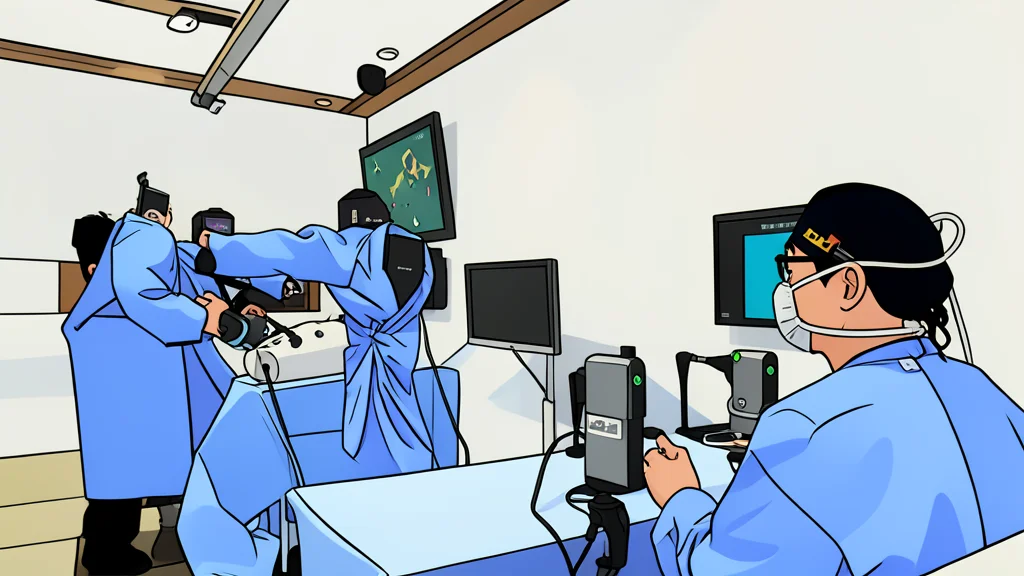
The vehicle functions as a rolling workshop rather than a transport mechanism. Instead of moving broken units to a central facility, the van carries necessary tools and a human engineer to perform repairs on-site. This model is similar to roadside assistance for cars, prioritizing speed and convenience to minimize disruption to operations.
The design of the vehicle leans into a medical aesthetic, with a white exterior and red cross symbol. While this visual language may suggest emergency care, the actual function is strictly industrial. The interior is equipped to handle technical diagnostics and mechanical fixes, transforming the roadside into a temporary service bay.
Infrastructure for Continuous Operation
For units that sustain severe damage beyond on-site repair, GMO has established dedicated facilities. One such location is the Humanoid Lab Shibuya Showroom, which serves as a development and maintenance base. In these cases, a replacement robot is dispatched to take over the duties of the damaged unit, ensuring service continuity.
This strategy creates a closed-loop system where the presence of a backup unit is as important as the repair itself. It shifts the focus from fixing a single machine to maintaining a workforce. The company views this network of mobile and stationary support as essential infrastructure for the social implementation of robotics.
Practicality Versus Thematic Design
While the medical-themed livery is distinctive, the core value lies in logistical efficiency. Industry observers note that the underlying problem of robot maintenance could be solved with less specialized equipment, such as standard utility vans with sturdy roof racks. The choice to adopt a specific aesthetic may be a branding decision rather than a functional necessity.
As reported by GN auto tech/robotics, this launch highlights the emerging ecosystem around humanoid robots. The debate over whether to maintain a distinct service identity or adopt generic industrial solutions will likely shape how other companies approach robot logistics. For now, GMO is setting a precedent for dedicated, on-site support services.