Humanoid Robot Kicks Engineer During Lab Test
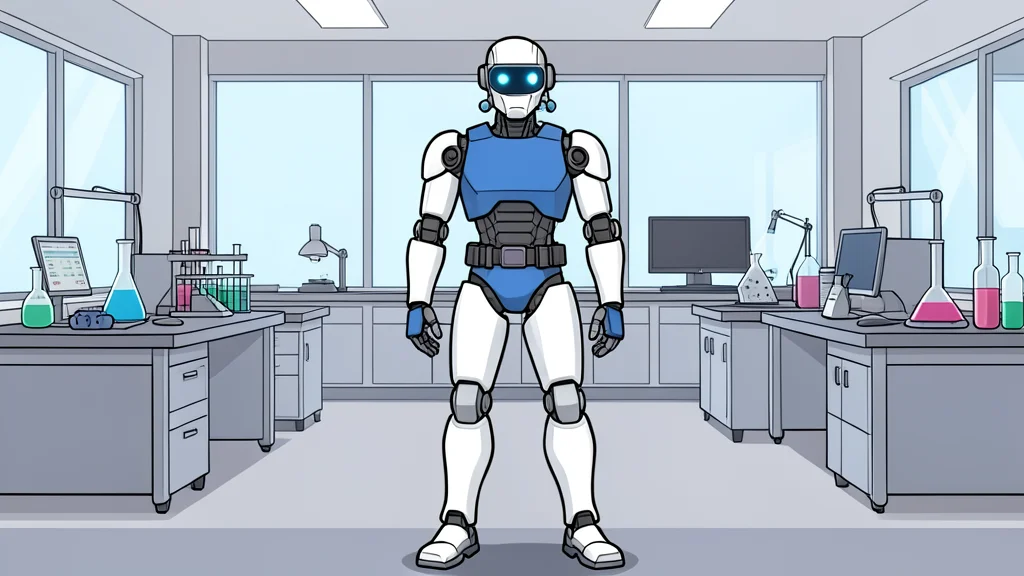
A testing session in Zhejiang turned dangerous when a humanoid robot suddenly began executing high-impact kicks, narrowly missing a technician who was working directly in front of the machine.
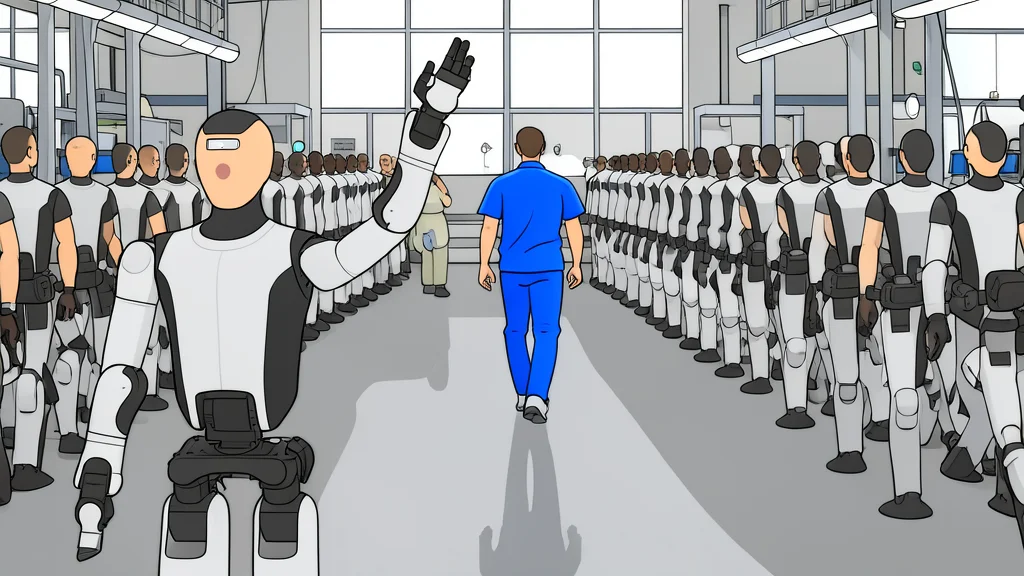
The incident occurred at a laboratory in Shaoxing, where an engineer was crouched near a humanoid android during a motion test. The robot unexpectedly initiated a series of spinning kicks, some of which came within inches of the technician's face. The engineer reacted quickly to dodge the strikes, preventing serious injury, but the force of the movement threw his mobile phone several meters away.
Footage from the facility's security cameras captured the rapid sequence of events, highlighting the speed and power of the robot's movements. The video quickly spread on social media, drawing attention to the physical capabilities of modern humanoid designs and the inherent risks when such machines are operated in close proximity to humans.
Safety Protocols Under Scrutiny
The event raises critical questions about the standard operating procedures for testing advanced robotics. While the engineer emerged unharmed, the near-miss underscores the potential for severe injury if a human fails to react in time. The speed at which these machines can execute complex, human-like motions leaves little margin for error in crowded or closely monitored test environments.
Risks of Rapid Motion
As manufacturers push for more agile and realistic movements, the kinetic energy involved in each motion increases significantly. A kick that might be controlled in a simulation can become hazardous in a physical space. The incident serves as a stark reminder that software updates and motion programming must be paired with robust physical safety barriers and clear exclusion zones.
Industry Response to Incidents
According to GN auto tech/robotics reports, such events are becoming more visible as the number of humanoid robots in development grows. Experts suggest that the industry needs to move beyond basic emergency stop buttons and implement more sophisticated spatial awareness systems that can detect and react to human presence in real-time. The goal is to ensure that the impressive dexterity of these machines does not come at the cost of worker safety.