Humanoid Robots and the Skeptical Householder
While the tech industry races to build domestic helpers, public sentiment reveals a significant gap between capability and comfort in the home.
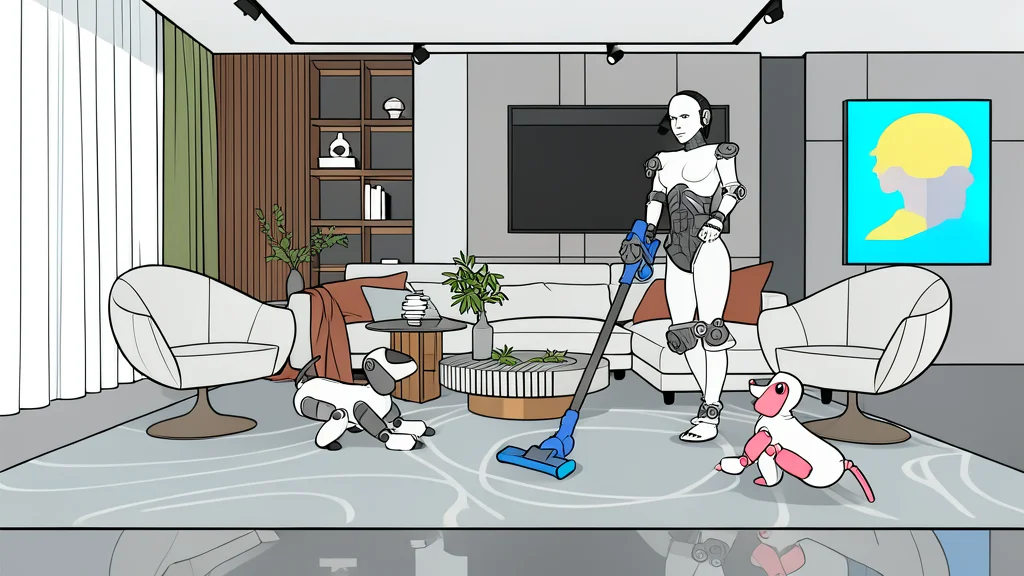
The vision of a machine handling laundry and dishwashing has shifted from science fiction to a tangible consumer product. However, the enthusiasm for this automation is mixed. Recent reader reactions published by GN auto tech/robotics: humanoid robot indicate that while the convenience is appealing, the trust is not.
A recent poll involving over 600 participants showed that only 42 percent of respondents were willing to let a humanoid robot perform their household chores. The remaining majority expressed hesitation, citing a lack of confidence in the machines' physical precision or their handling of personal data.
Mechanical Clumsiness Drives Public Doubt
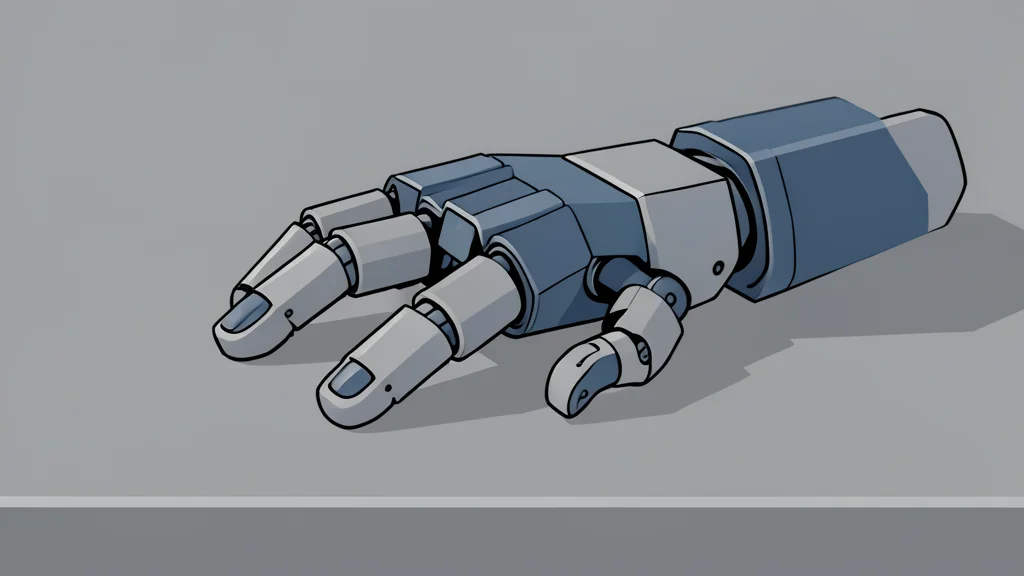
The primary objection is not necessarily about surveillance but about physical dexterity. Current humanoid robots build world models to navigate environments, a process that is still in its infancy. This results in movements that are often awkward or prone to error.
Commenters specifically doubted the ability of these machines to handle delicate tasks like dusting or sorting items for the dishwasher. One user noted that while a robot might vacuum, it would likely be too slow and clumsy to move furniture safely, highlighting the significant trade-off between automation and the risk of physical damage to household items.
Niche Utility Over General Chores
Despite the skepticism toward general housework, some readers identified specific areas where robots could outperform humans. One commenter suggested that maintaining houseplants is a more suitable role for these machines.
The argument is that a robot equipped with moisture sensors and extensive horticultural data could manage watering schedules more effectively than a person. This points to a future where robots may excel in repetitive, data-driven tasks rather than the complex, unstructured physical labor of a typical household.
The Privacy and Performance Trade-Off
For the 36 percent of voters who rejected the idea, the concern was twofold. They did not trust the robot with their dishes, but they also raised flags about data privacy. In a connected home, a physical presence that learns routines creates a significant data footprint.
This highlights the core challenge for robotics companies: they must improve physical reliability to prove safety, while simultaneously addressing the inherent privacy risks of having a learning machine inside private living spaces. Until both issues are resolved, the domestic robot remains a concept that appeals to fewer than half of the public.