Lightweight Humanoid Robots Aim to Work Safely with People
A European start-up is redefining industrial automation by replacing heavy, legged robots with a wheeled, tendon-driven design that prioritizes human safety over brute strength.
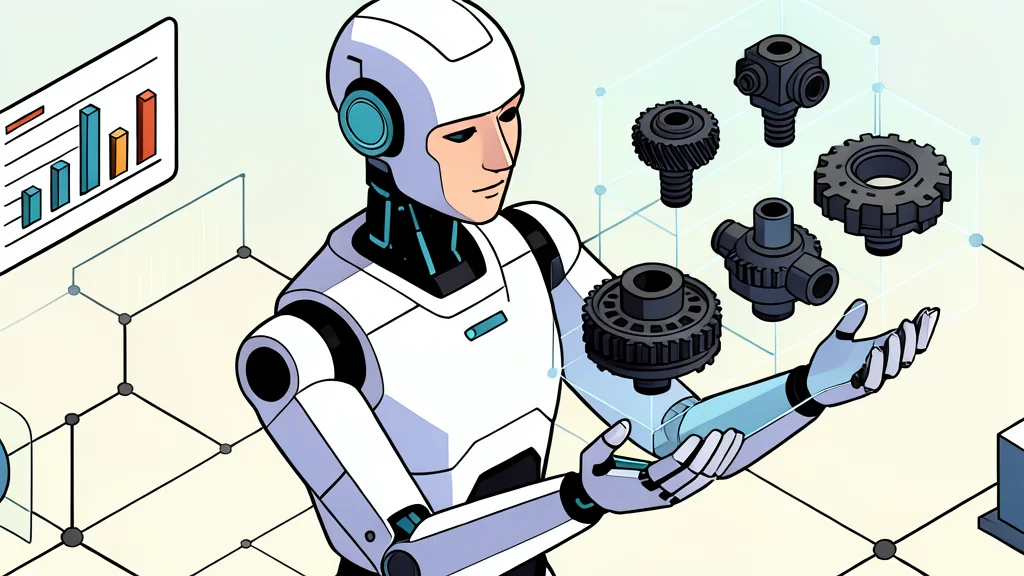
Standard humanoid robots often weigh hundreds of kilograms, creating a significant risk when they operate near workers. If such a machine loses balance or makes an error, the physical consequences can be severe. To address this, European start-up Embodied AI is developing a lightweight alternative that removes the legs entirely, opting for a stable wheeled base instead. This shift allows the robot to move through factories and hospitals without posing an immediate threat to nearby humans.
The company’s approach stems from research at TU Delft and EPFL, focusing on safety as a core engineering constraint rather than an afterthought. By housing heavy components in the base and using a tendon-driven system for the arms, the robot remains nimble yet safe. This design philosophy marks a departure from the traditional focus on mimicking human gait, prioritizing practical stability and energy efficiency for tasks in assembly, logistics, and care.
Tendon-Driven Arms Reduce Collision Risk
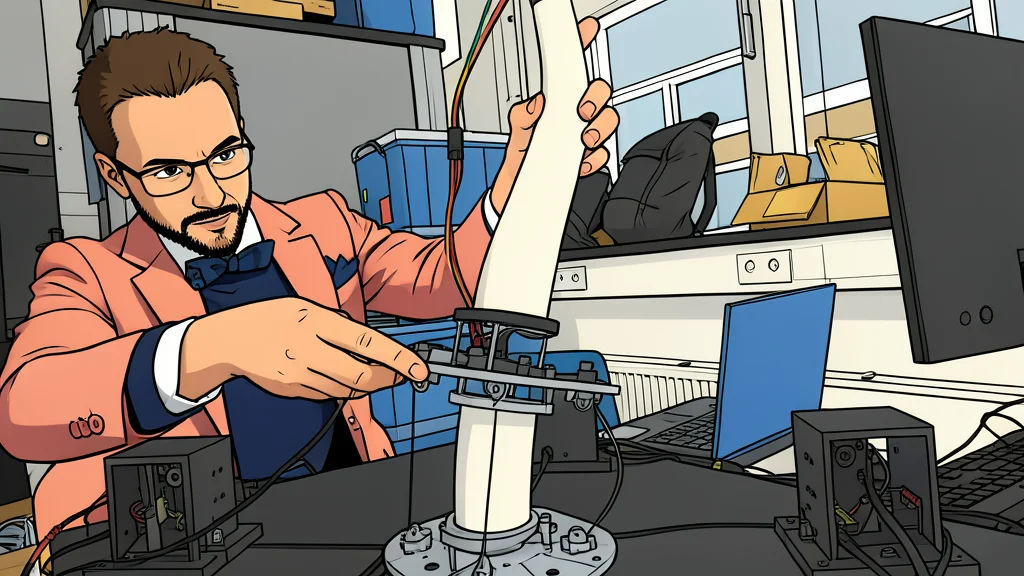
The mechanical innovation lies in the arms, which utilize a flexible, tendon-like structure. This design mimics biological muscles, allowing the robot to handle objects with precision while minimizing the force exerted during accidental contact. CEO Francesco Stella notes that while a software error in a recommendation engine is harmless, a physical impact from a heavy robot can cause injury. The lightweight arm structure ensures that even if the system makes a mistake, the potential for harm is significantly reduced.
This safety-first design also addresses the energy consumption issues associated with bipedal locomotion. Wheels provide a stable platform that requires less power to maintain balance, allowing more energy to be directed toward the robotic arms and AI processing. By leveraging existing wheeled platform technology used in factory logistics, the company avoids the complex and often unstable challenge of building reliable legs, focusing instead on the dexterity of the upper body.
Learning Through Remote Human Supervision
The robot does not arrive on-site fully autonomous. Instead, it begins its deployment under remote supervision by a human operator. As the operator guides the robot through tasks, the system collects data on movements and environmental interactions. This data is used to train artificial intelligence models, allowing the robot to gradually take over more responsibilities. The process is iterative, with the robot becoming more independent over time while maintaining a safety net of human intervention.
Armin Avaei, Head of Product, emphasizes that intelligence is not just about current performance but also about the speed of learning. The system is designed to improve through practice, similar to how human workers gain proficiency. This approach contrasts with static software that must be perfect before deployment. By allowing the robot to learn in real-world environments, the company aims to create a flexible tool that can adapt to various tasks in dynamic settings like hospitals and hotels.
Scaling Production for European Industry
Embodied AI is currently preparing to scale up production, with goals of manufacturing hundreds of units. The company views robotics and AI as critical technologies for reducing Europe’s dependence on other economies in manufacturing and service sectors. By offering a safe, adaptable platform, they aim to fill the gap between rigid industrial automation and fully autonomous general-purpose robots. The trade-off is that the robot requires a period of supervised learning before it can operate independently, demanding initial human investment in training.