Tesla's 5,000-Unit Robot Order Signals Mass Production Shift
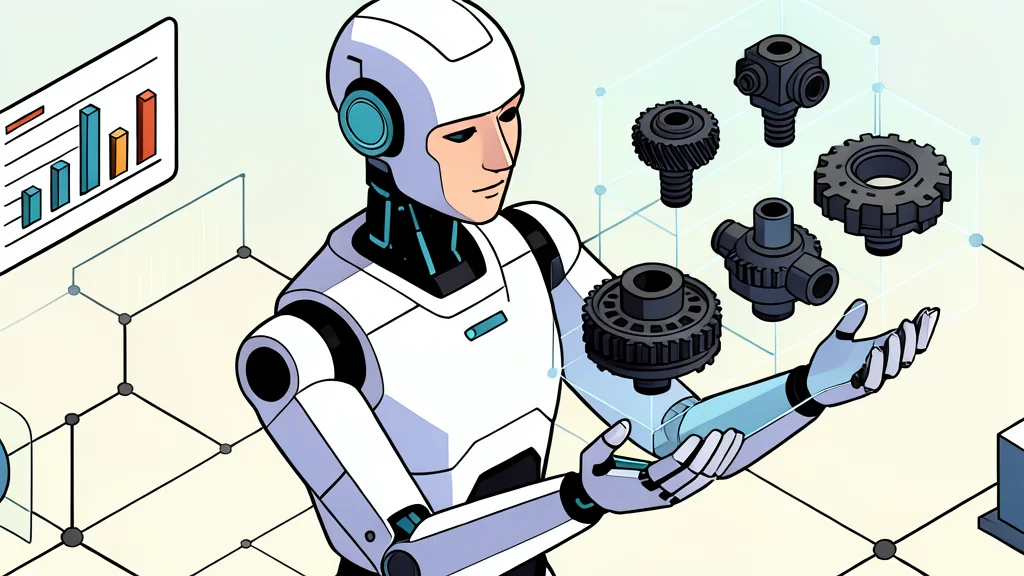
A new 5,000-unit order marks Tesla's transition from prototype testing to scalable manufacturing, relying heavily on established Chinese suppliers for core components.
Tesla has issued a new order for approximately 5,000 humanoid robots, a significant step up from previous trial batches of only a few hundred units. This move indicates that the Optimus robot is moving beyond the engineering prototype phase and entering the replicable manufacturing stage. The company is simultaneously accelerating factory audits across its supply chain in China, visiting suppliers in Shanghai, Hangzhou, and other regions to verify production readiness.
The shift is not just about volume; it is about the composition of the supply chain. Contrary to expectations that new tech startups would lead this effort, the majority of suppliers are long-established manufacturers from the home appliance and automotive sectors. These companies have been producing the necessary precision parts, such as bearings and transmission components, for decades. Their existing capabilities in mass manufacturing are now being applied to robot actuators and assembly, bridging the gap between prototype and mass production.
Established Manufacturers Lead the Supply Chain
Companies like Sanhua Intelligent Control and Tuopu Group are at the forefront of this transition. Sanhua, historically known for refrigeration parts, is now focused on electromechanical actuators, which are the core components that allow robot joints to move. While rumors of massive order values have circulated, the company has clarified the specifics, emphasizing a steady progression from research and development to batch delivery. Their timeline shows a clear path from initial sample delivery in early 2025 to production line ramp-up by mid-2026.
Similarly, Tuopu Group is leveraging its experience in automotive wire-controlled brake systems to develop robot electric drive actuators. This technical extension allows them to apply their deep knowledge of motors, deceleration mechanisms, and electronic control to the new field of robotics. The reliance on these traditional manufacturers highlights a practical reality: building reliable, high-volume robot components requires decades of accumulated precision manufacturing experience, not just new software concepts.
From Prototypes to Replicable Manufacturing
The combination of the 5,000-unit order and the imminent factory audits serves as a dual signal that Tesla is committing to a scalable production rhythm. Industry insiders view these visits to Chinese suppliers as a confirmation that the company is accelerating its timeline. The move from small-scale trials to thousand-unit level orders is a critical milestone, as it forces the entire supply chain to prove it can deliver consistent quality at scale, a requirement that prototypes often fail to meet.
However, this transition comes with trade-offs. The supply chain is fragmented across various stages of participation, with some companies already in batch delivery while others are still in the R&D phase. This uneven maturity presents a risk for coordination and timing. Furthermore, the reliance on suppliers originally from different industries means that the integration of their components into a cohesive robot system remains a complex engineering challenge. The success of this mass production phase will depend on how well these disparate parts work together under real-world conditions.
Supply Chain Complexity and Risks
As Tesla moves forward, the focus shifts to who is actually receiving these orders and at what capacity. The list of involved enterprises includes not just direct suppliers but also upstream manufacturers of precision parts and consumer electronics firms entering the assembly sector. This broad network suggests a distributed manufacturing model, which can offer flexibility but also increases the complexity of quality control. The term 'North American customer' in some disclosures refers to this broader context, but the direct link to Tesla's Optimus program is clear for the core component makers.
The stakes are high for all parties involved. For Tesla, this is the first real test of whether the Optimus can be manufactured economically and reliably. For the suppliers, it is an opportunity to diversify their revenue streams and enter a high-growth sector. Yet, the catch remains the execution: turning a 5,000-unit order into a smooth production flow without significant delays or quality issues. The coming months will reveal whether the deep manufacturing expertise of these traditional firms can translate into a successful humanoid robot rollout.